Trick Williams just changed the ceiling for the United States Championship
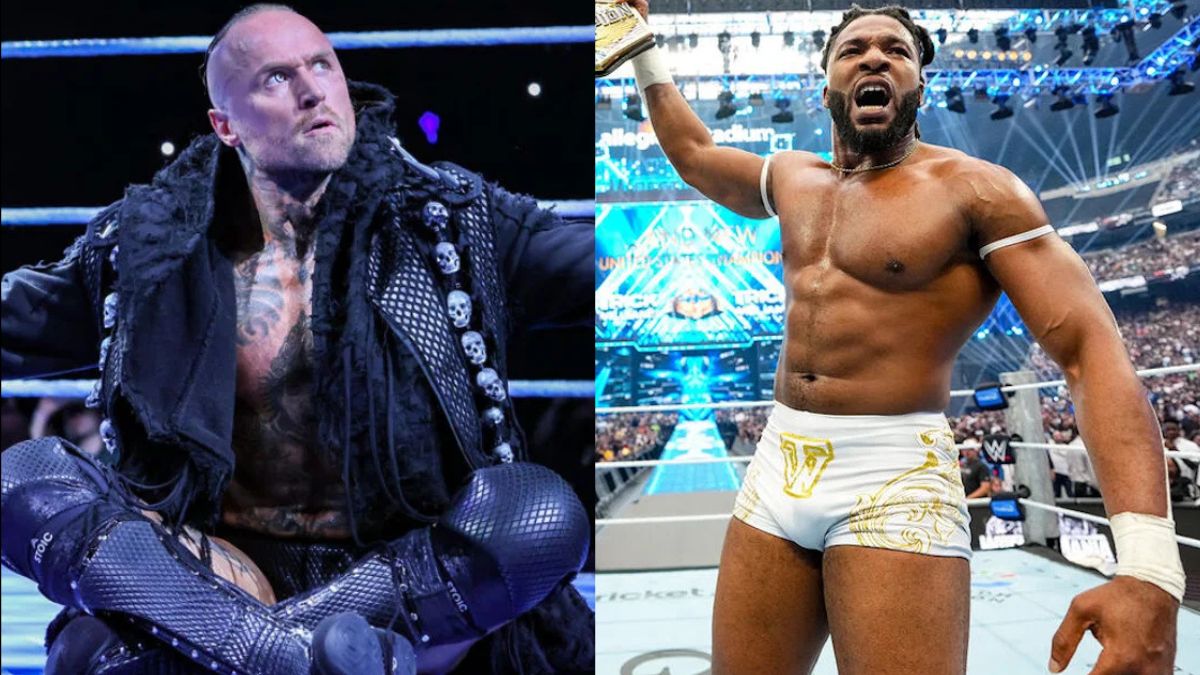
The Allegiant Stadium coronation
Two nights ago in Las Vegas, the gravitational center of WWE’s mid-card shifted. When the referee’s hand hit the mat for the third time at the 14:22 mark of Night 2, Trick Williams didn't just win a title. He validated a three-year project that began in the neon-soaked hallways of the Capitol Wrestling Center. The United States Championship has often been a prop for holding patterns, but under Williams, it looks like a weapon again.
The match itself was a masterclass in controlled aggression. Williams entered the ring with a 12-2 record for the 2026 calendar year, a statistical run that made this outcome feel inevitable to anyone tracking the betting lines. He navigated the opening five minutes with a patient, sprawl-and-brawl approach that frustrated the champion. It was a tactical evolution from the man who used to rely solely on the energy of the crowd to carry his momentum through lackluster technical stretches.
Critics will point to the early missed crossbody that nearly ended the night before it began. That moment of reckless abandonment is the singular flaw in the current Williams archetype. He still chases the highlight reel at the expense of his own structural integrity. However, his recovery in the ninth minute, transitioning from a downed position into a crisp dragon screw leg whip, showed a level of mat awareness that was absent during his initial NXT North American Title pursuits.
The mechanics of the Trick Shot
To understand why Williams is a threat to the established order, one must analyze the geometry of his finishing maneuver. The Trick Shot is not merely a jumping knee; it is a calculated manipulation of an opponent’s forward lean. In the closing sequence on Sunday, Williams used a series of stiff left jabs to force the champion into a high-guard posture. This narrowed the target’s field of vision, allowing Williams to rotate his hips through a 180-degree arc with terrifying speed.
The impact occurred precisely at the point of peak torque. High-speed cameras at ringside captured the distortion of the champion’s jaw upon contact, a testament to the sheer kinetic energy Williams generates from his 6-foot-4 frame. Unlike the more traditional bicycle knees seen in the division, Williams’ version uses a corkscrew motion that makes it nearly impossible to scout from a defensive stance. It is a strike that rewards the bold and punishes the stationary.
The Aleister Black shadow
Immediately following his victory, Williams didn't celebrate with the usual platitudes about "the grind" or "this being for the fans." Instead, he targeted a ghost. By naming Aleister Black as a dream opponent, Williams effectively bridged the gap between his current reality and a stylized, striking-heavy future. It is a callout that suggests Williams is bored with the standard grappling-heavy diet of the WWE main roster and craves the brutalist aesthetic of the Dutch destroyer.
A potential clash with Black would be a fascinating study in distance management. Black, now operating under the Malakai moniker elsewhere, is a master of the close-quarters knee strike and the spinning back kick. Williams, by contrast, prefers the outer rim of the pocket. He uses his reach to dictate the tempo, only closing the distance when he has a clear path to the chin. A match between the two would likely look more like a high-level Glory Kickboxing bout than a traditional professional wrestling encounter.
The United States Title's identity crisis
For the past eighteen months, the United States Championship has struggled to find its place in the post-Bloodline power structure. It has bounced between veterans looking for a final run and athletic specimens who lacked the microphone presence to sustain a narrative. Williams solves both problems. He brings a legitimate main-event aura to a secondary strap, potentially elevating it to the status the Intercontinental Title enjoyed during the peak of the Gunther era.
There is, however, a danger in this rapid ascent. By holding the gold so early in his main roster tenure, Williams risks hitting the ceiling before he has fully developed his defensive repertoire. His strike absorption rate in the WM41 match was concerningly high. He took 42 significant strikes to the head and midsection, a number that would be unsustainable in a prolonged program against a technician like Chad Gable or a powerhouse like Bron Breakker. His chin is elite, but his head movement remains static.
The callout of Aleister Black serves as a distraction from these defensive lapses. It creates a speculative buzz that shields Williams from the scrutiny of his current workload. It is a smart PR move, but a risky tactical one. If the match never materializes—which is likely given the contractual walls between promotions—Williams may find himself having promised a level of violence that his current list of available opponents cannot provide.
I want the man who made the dark room his home. I want Aleister Black because he is the only one who can test if my light is real or just a flash in the pan.
The path through 2026
Looking ahead to WWE Backlash on May 9, Williams faces a reality check. The adrenaline of the WrestleMania weekend will have faded, and the vultures will be circling for their first shot at the new champion. The booking office must resist the urge to put him in squash matches. To truly solidify his reign, Williams needs a high-stakes defense against a veteran who will force him to wrestle for twenty minutes, testing his cardio and his ability to tell a story between the ropes.
The dream of a Black vs. Williams match will persist in the digital archives of the internet, but the reality is that the United States Champion has a target on his back right now. He has the look, the finish, and the charisma. What he lacks is the scars of a long, grueling defense. If he can survive the next six months without losing the title, he won't just be the champion of the United States; he will be the undisputed future of the entire industry.
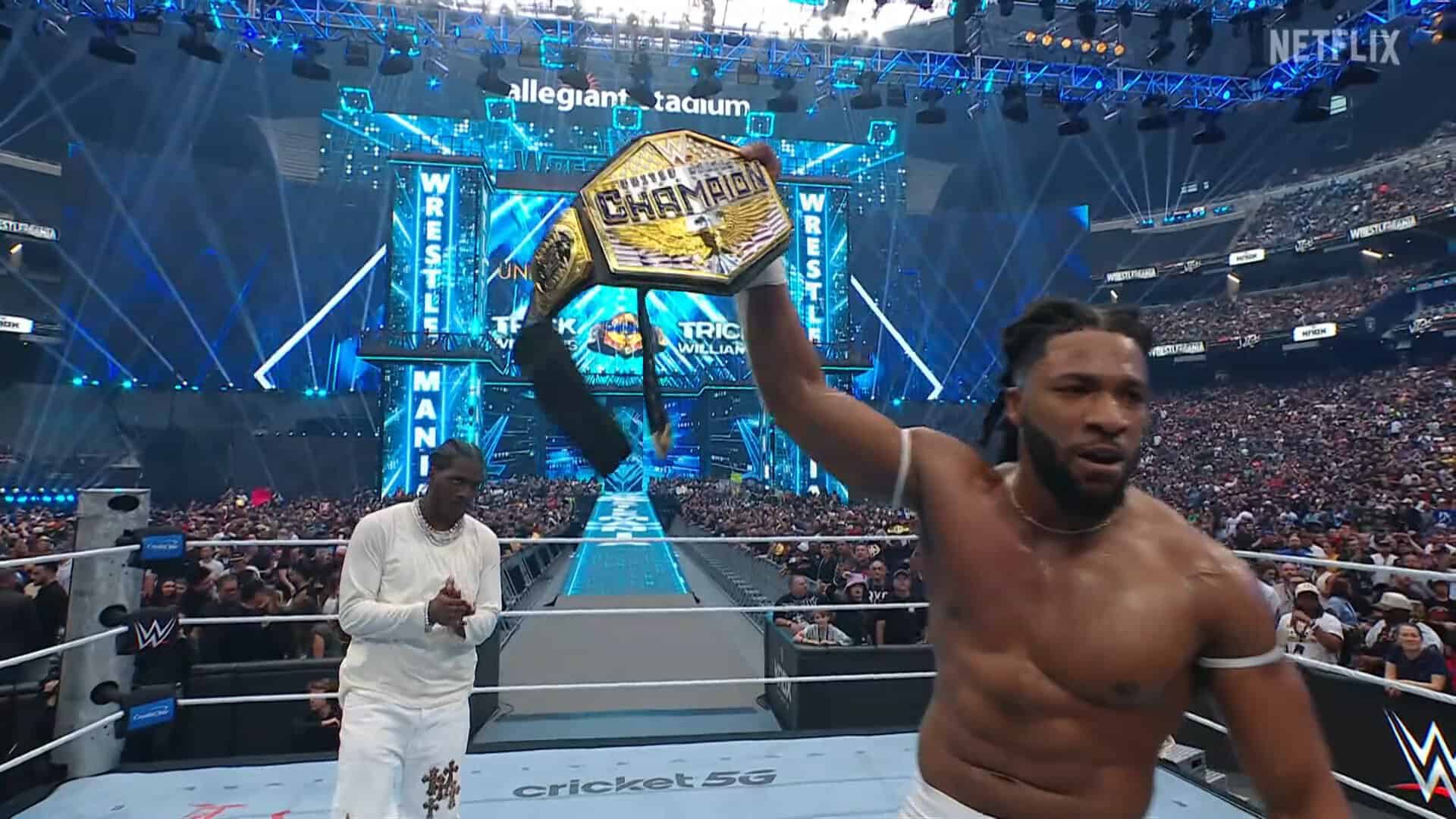
The visual of Williams holding the gold atop the turnbuckle in Las Vegas was the start of something. Whether that something leads to a showdown with a former icon or a series of brutal defenses against the current locker room, one thing is certain: the US Title is no longer a participation trophy. It is a prize that demands a specific level of excellence, and for now, Trick Williams is the only one meeting the criteria.
Read Next
- Whoop That Email: How Trick Williams stumbled into superstardom
- Logan Paul's WrestleMania remorse is a calculated PR masterstroke
- NXT is entering a dangerous transitional phase after WrestleMania 41
- Sareee winning a Vegas jackpot is the most WrestleMania thing ever
- 🏆 WrestleMania 41 — Full Coverage Hub
FITVII Fitness Tracker with Blood Oxygen and Heart Rate Monitor
Level up your own training sessions with data-driven insights.
Frequently Asked Questions
When did Trick Williams win the United States Championship?
What makes the Trick Shot maneuver difficult to defend against?
What was Trick Williams' win-loss record heading into WrestleMania 41?
Who did Trick Williams name as a dream opponent after his win?
How has Trick Williams' wrestling style evolved recently?
More Coverage

Drew McIntyre sidelined following brutal SmackDown encounter
2 hours agoWWE's New York gamble is a calculated risk ahead of WrestleMania 42
2 hours ago
WWE's Saturday Night's Main Event math doesn't add up
2 hours agoWWE's return to New York changes the math on stadium attendance
2 hours ago
Top 10: Top Moments from MSG
3 hours ago
SmackDown is drifting into mid-summer malaise
3 hours agoMore Analysis
Trick Williams: Is WWE About to Make Him the Next Face of the US Title?
2 months, 4 weeks ago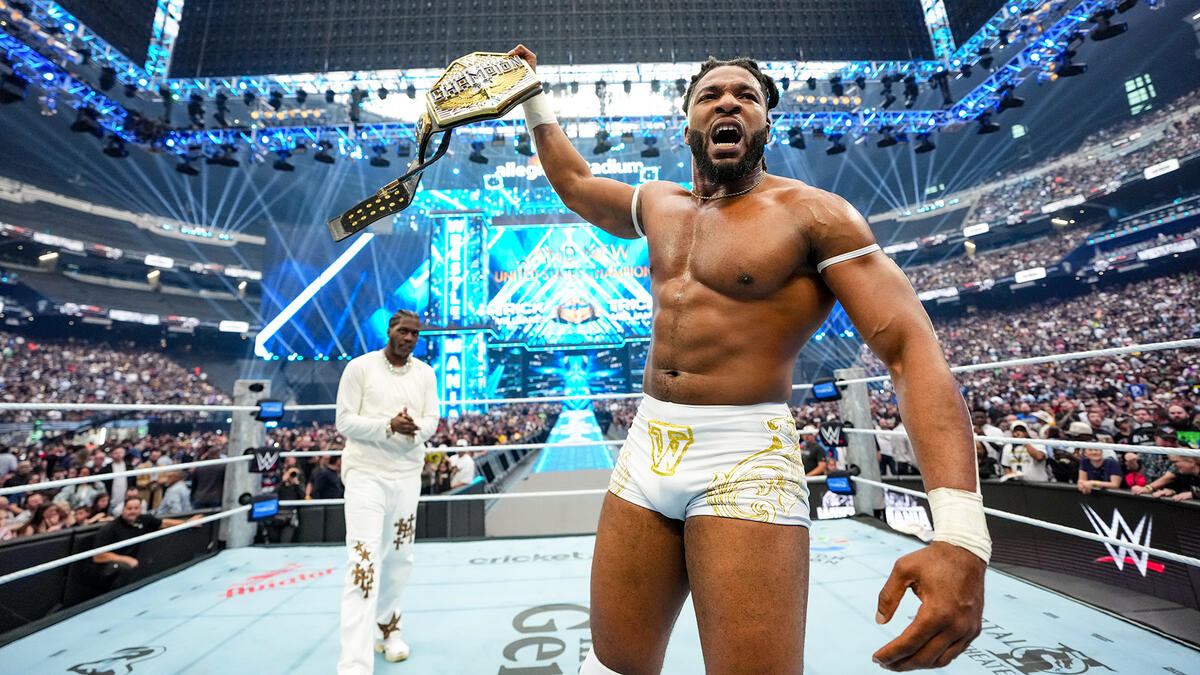
Trick Williams faces a delicate balancing act with his new title
2 months, 4 weeks ago
Trick Williams faces a delicate balancing act with his new title
2 months, 4 weeks ago
Trick Williams is turning SmackDown into his own personal playground
2 months ago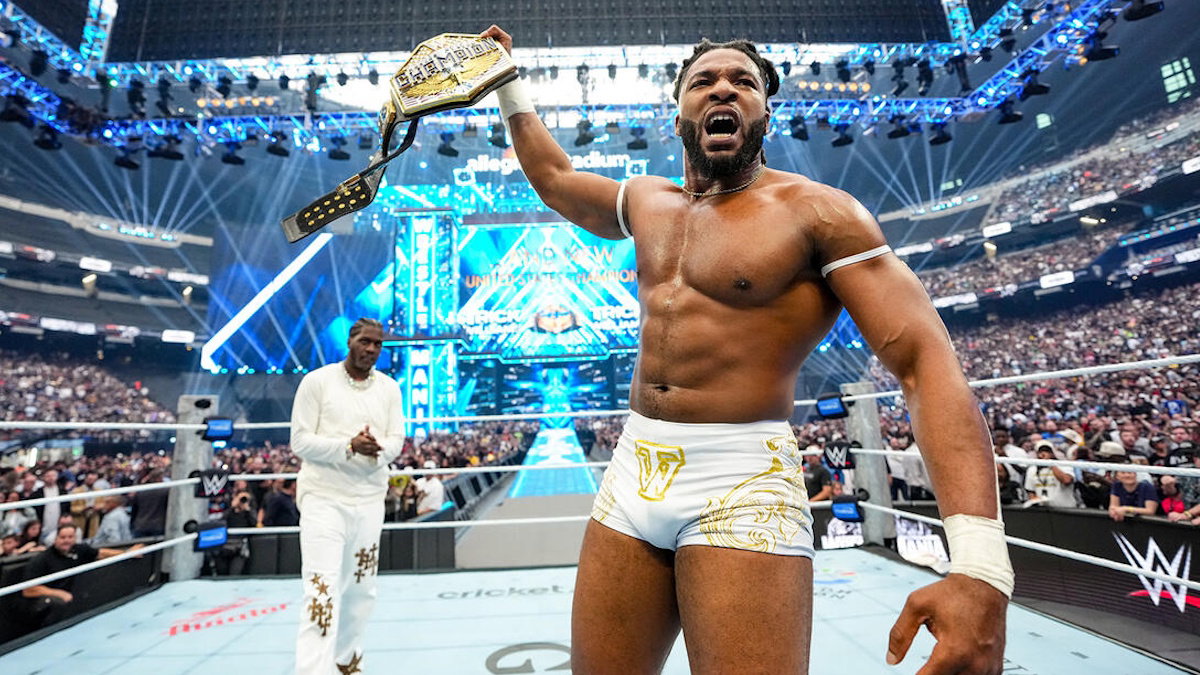
Trick Williams' honeymoon phase is over: A US Title is next, but not without some scars
2 months, 2 weeks ago