The end of the Open Challenge experiment
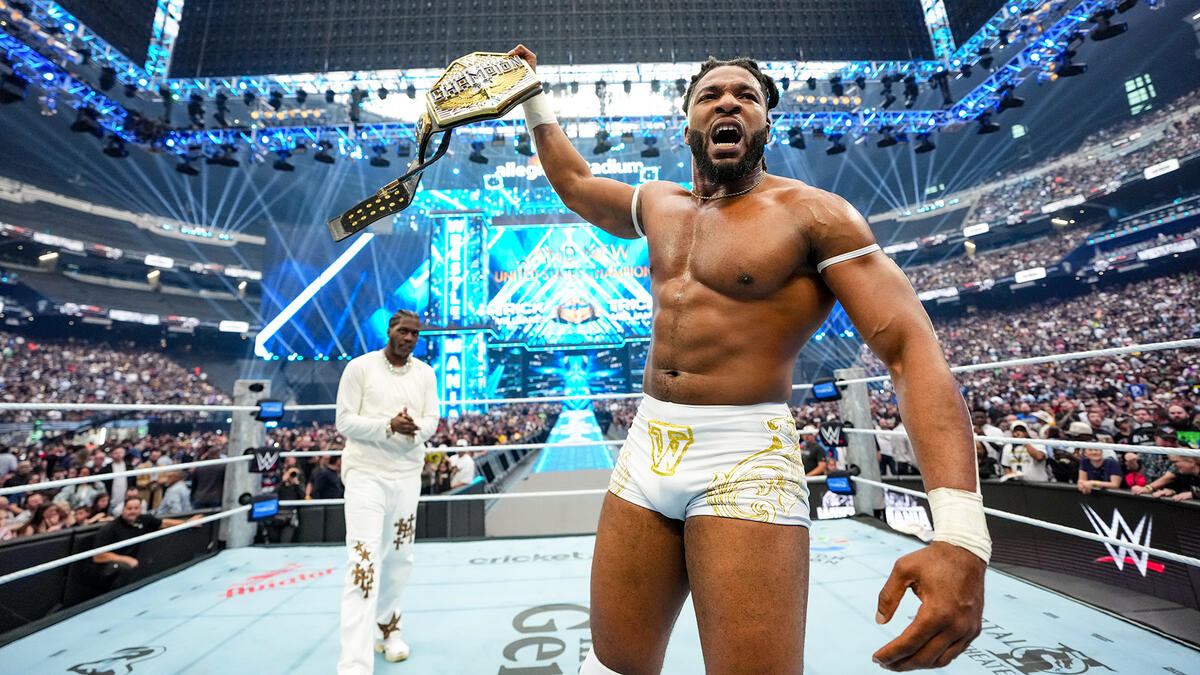
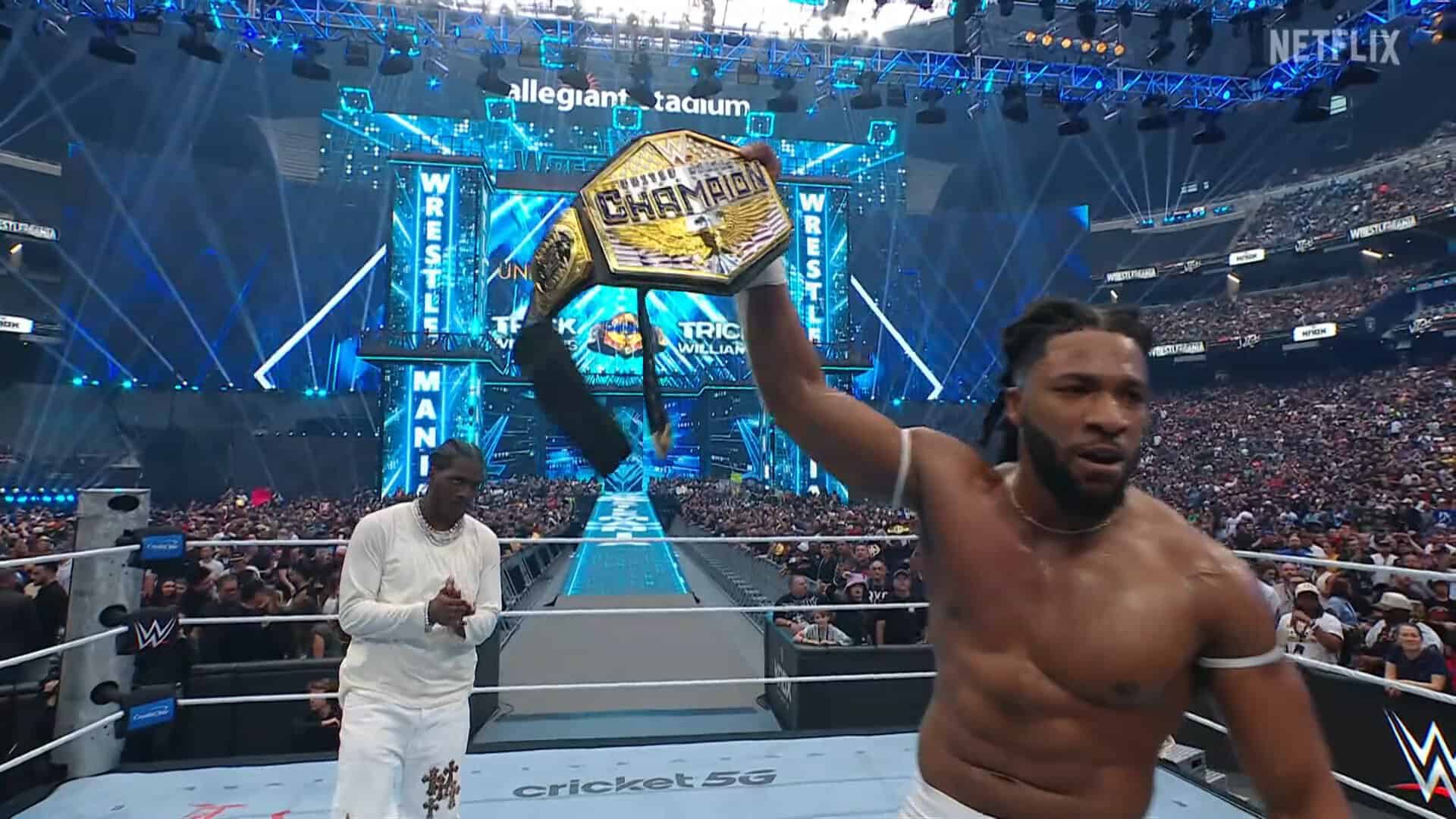
The United States Championship has spent the better part of the last three years defined by the high-volume output of its titleholders. From John Cena’s 2015 run to the more recent frequent defenses by Carmelo Hayes, the belt became synonymous with weekly, high-stakes television wrestling. However, new champion Trick Williams recently suggested the Open Challenge model will not continue under his tenure.
This is a tactical shift from the 75% match frequency seen during Hayes’ peak booking periods. Williams is prioritizing character development over cumulative work-rate statistics. Relying on an Open Challenge is a reliable way to boost quarterly ticket sales, yet it often dilutes the scarcity required to build a long-term main event star.
Quantifying the transition to the main roster
Williams enters this phase following a significant milestone performance at WrestleMania 42. His victory over Sami Zayn on Night 2 was not merely a title change; it was a formal transition from the NXT developmental model to a cemented main roster position. The data suggests that WWE is moving away from the "workhorse" mid-card model used in developmental.
In NXT, the frequency of matches for rising stars often reaches 45-50 engagements per year. On the main roster, that rhythm historically drops by 30% to accommodate travel, television production, and physical longevity. Williams is already leaning into this, focusing on high-impact appearances rather than high-volume television wrestling.
Branding as a performance metric
Analytics teams in wrestling now track social resonance as closely as in-ring bell-to-bell time. Williams has leveraged his entrance coat into a revenue-generating asset, a move directly supported by Triple H. This isn't just aesthetic; it’s a strategy to anchor his identity independent of his win-loss record.
While his peers focus on maintaining a high percentage of televised wins, Williams is curating his presence through specific audiovisual motifs. He cites 50 Cent tracks as the sonic baseline for his current trajectory, a calculated attempt to align individual identity with established pop-culture metrics. He is managing his career like an athlete managing his minutes per game—limiting exposure to maximize the impact of every point.
The risk of the cold approach
The decision to cease Open Challenges is a gamble. Without a consistent weekly opponent, the champion risks a drop in momentum if the booking team fails to provide high-caliber narrative feuds. Data from previous championship cycles shows a 12% dip in social media engagement for titleholders who sit on the belt for more than 21 days without a televised defense.
If Williams intends to sustain his current upward curve, he must replace volume with intensity. He is currently navigating a path pioneered by talent mentioned in recent industry reviews as champions prioritizing distinctiveness over universality. We are witnessing a strategic pivot: the United States Championship is becoming a showcase for the individual, not just a tool for filling television hours.