The transition from challenger to anchor
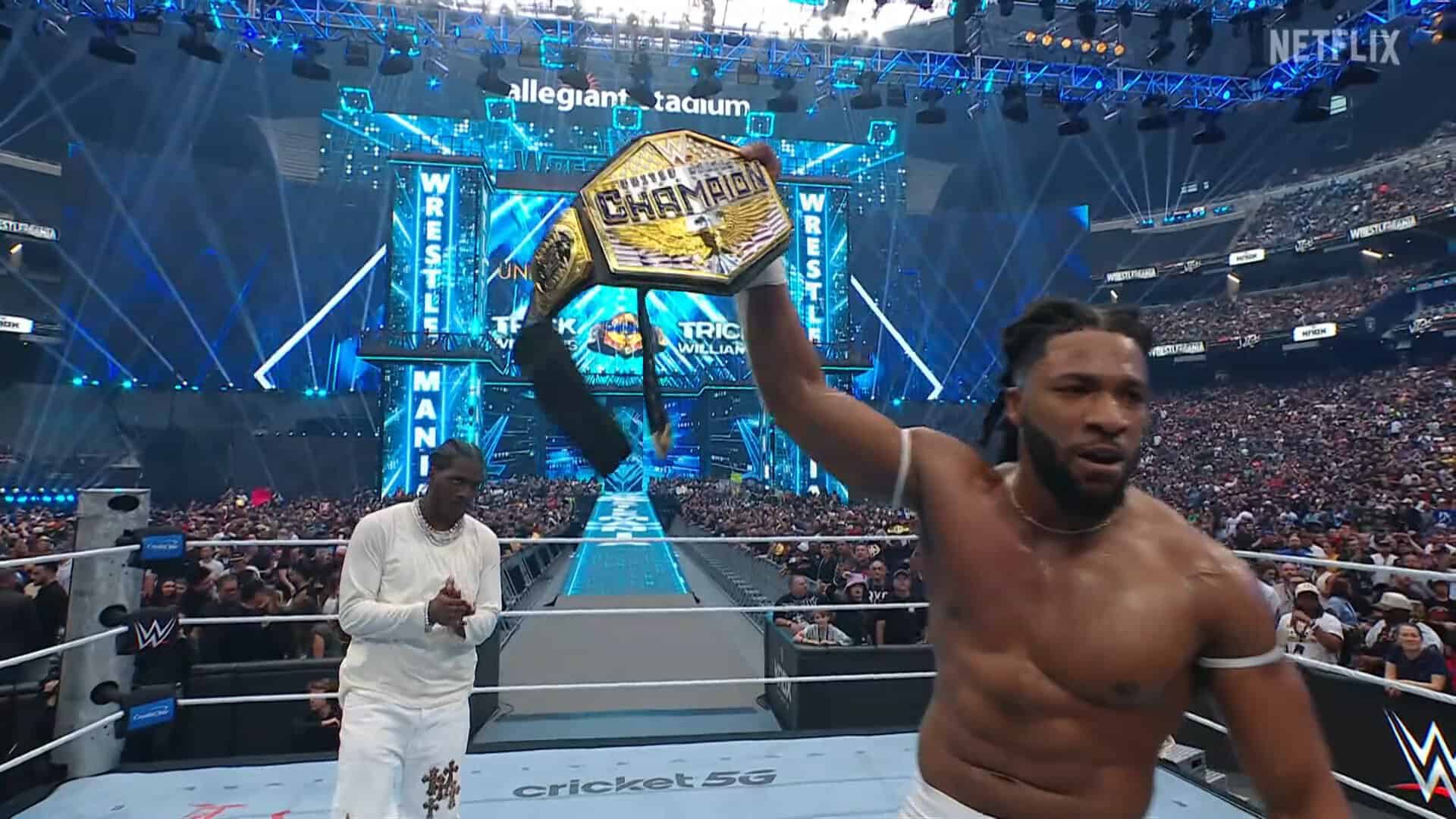
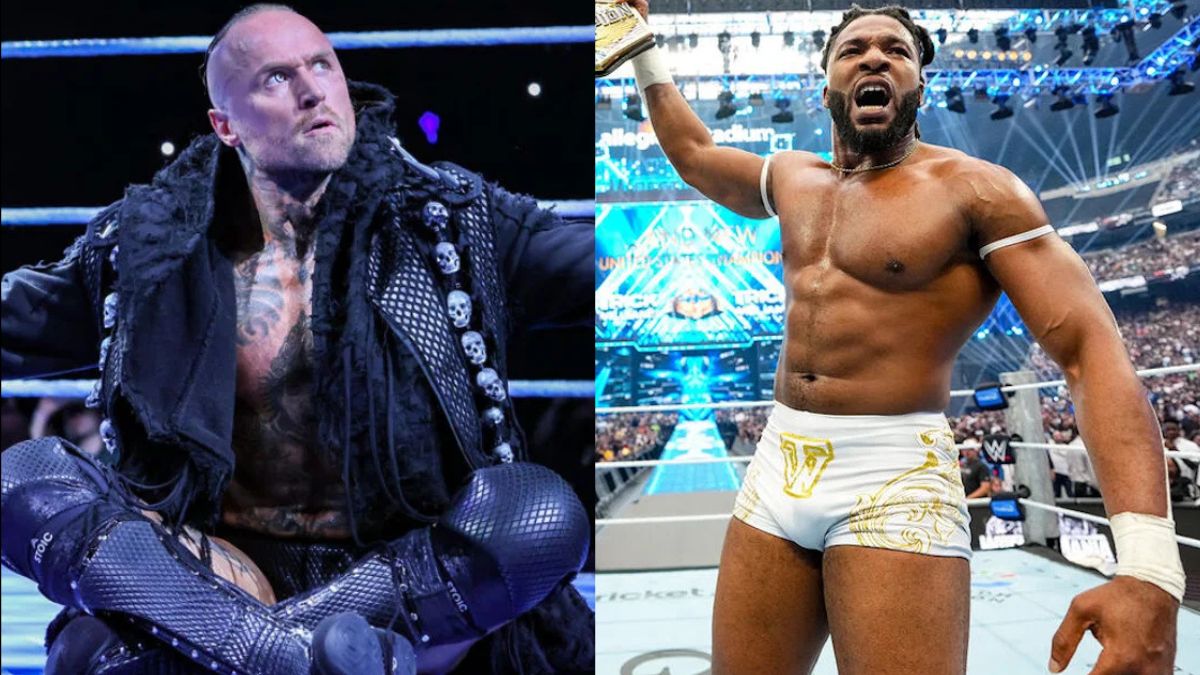
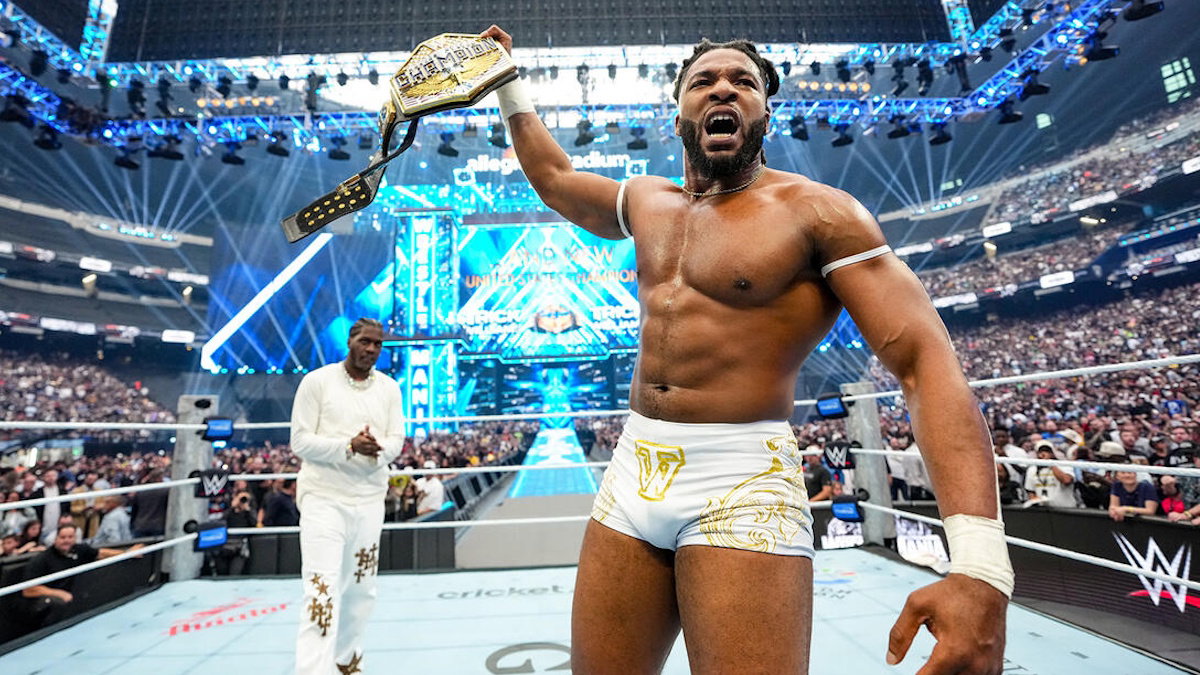
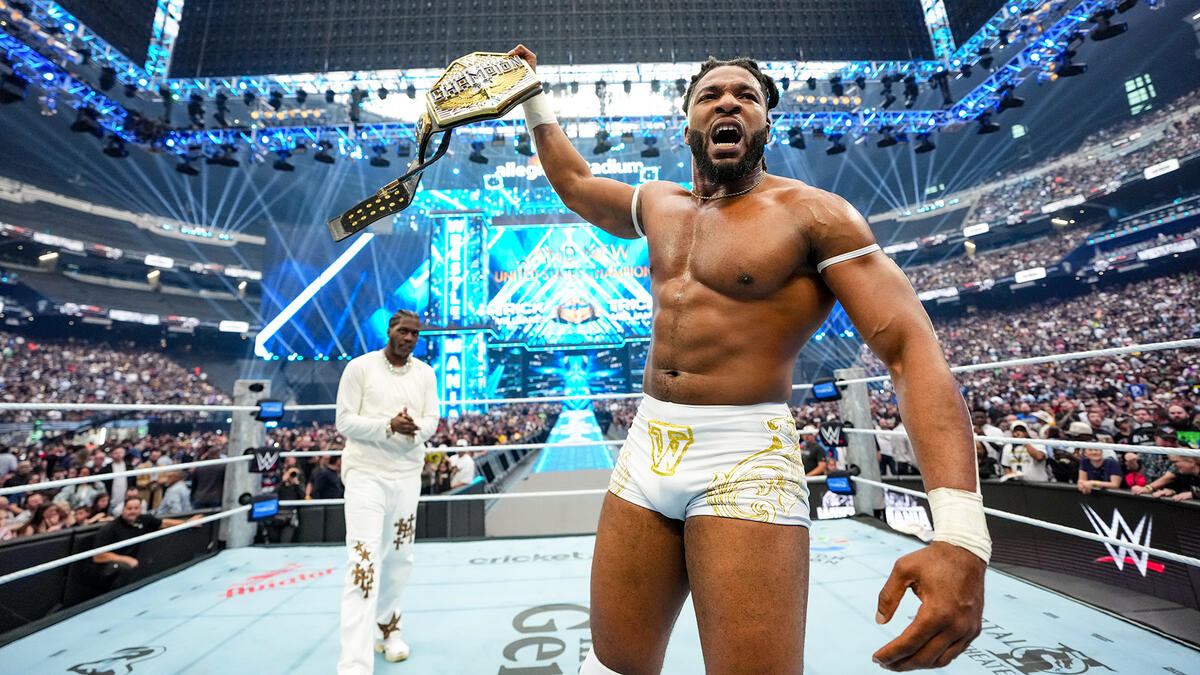
Trick Williams secured the United States Championship at WrestleMania 41 in Allegiant Stadium, overcoming Sami Zayn in a high-stakes encounter. The turning point occurred when Williams delivered a Brain Buster to the floor, leaving Zayn unable to answer the count. It was a decisive statement, yet the immediate conversation has shifted toward how the new champion navigates the pressures of the mid-card hierarchy.
Winning the gold is the easy part. Sustaining momentum while managing a locker room of challengers is where the difficulty lies. As reported by F4WOnline, Williams has already been fielding questions regarding the continuation of his predecessor's open challenge format. While the trope provides a reliable booking crutch, it often creates a repetitive rhythm that suppresses character development in favor of exhibition-style sprints.
The strategic pivot
Refusing to commit to weekly open challenges is the correct tactical move. A championship needs to be an object of desire, not a recurring segment for the television filler block. By tightening his schedule and forcing challengers to earn their placement, Williams can cultivate a more meaningful connection with the audience. His rise to the main event status was predicated on distinct narrative beats rather than just high-spot variance.
There is a risk, however. A champion who dictates their own matches can quickly drift into arrogance, or worse, detachment. Integrating a talent like Williams into the post-WrestleMania landscape requires a delicate touch. He needs a prolonged feud that tests his psychology, not just his physical output. If he oscillates between weekly defenses and quick segments, the belt will lose the significance currently attached to his elevation.
Refining the presentation
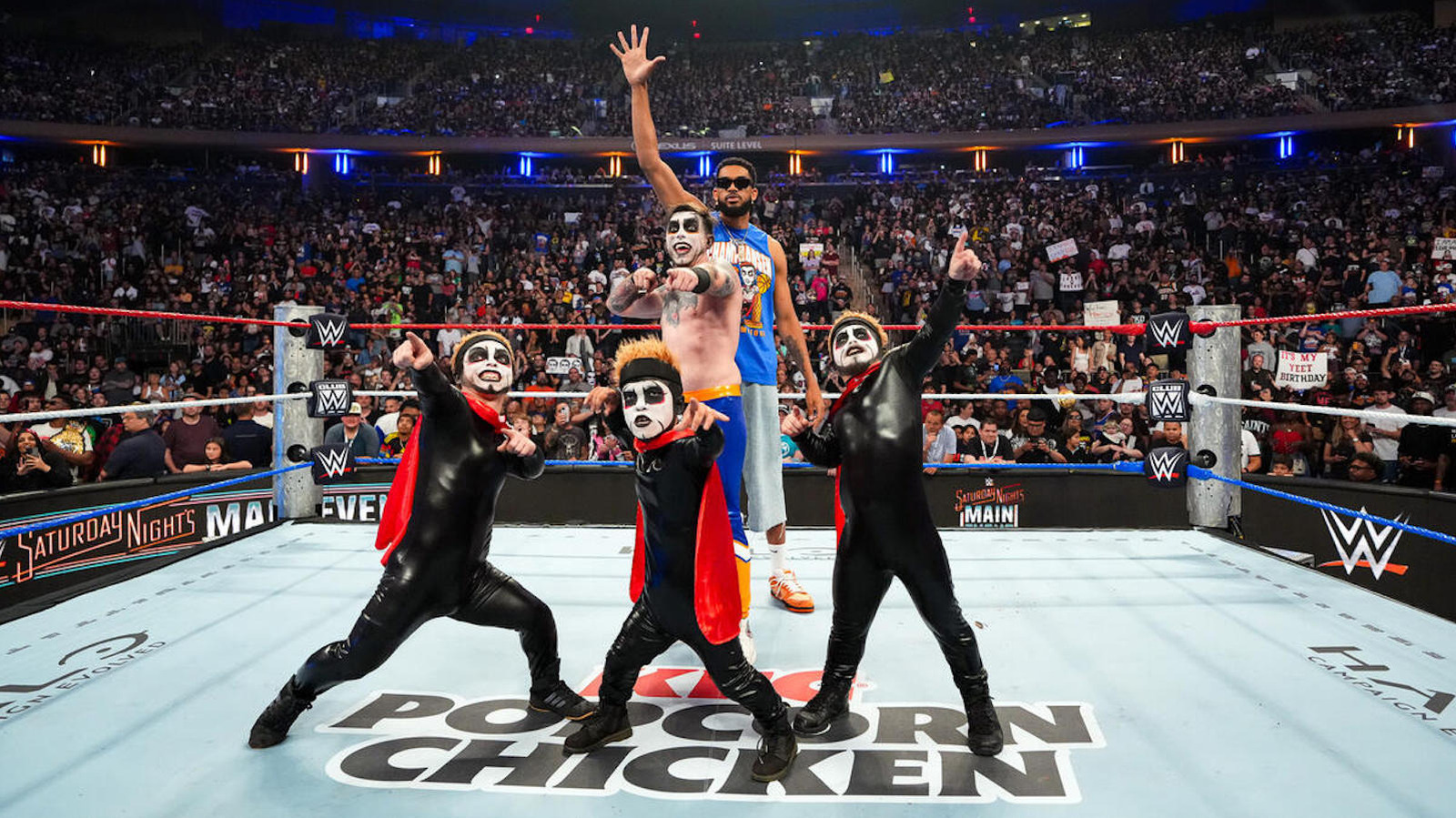
The reliance on celebrity involvement during his championship coronation—specifically the appearance of Lil Yachty—was a questionable booking decision that diluted the gravity of the victory. For a talent with legitimate athletic charisma, relying on external validation signals a lack of confidence in the performer's internal heat. Williams operates best with his back against the wall, not surrounded by entourage.
Backstage reports indicate the transition to his current babyface alignment was a calculated, multi-month progression. The company views him as a pillar of their next generation, yet execution at this 100 percent commitment level remains inconsistent. He is currently at a 3-year career peak and cannot afford a lukewarm reign. The shift away from the standard open challenge should be the first step in establishing his identity as a technical focal point rather than just a popular mid-card attraction.
Expectations for the coming month
As we look toward the next pay-per-view cycle, the path forward is narrow. If the creative team keeps Williams in these high-velocity, low-storyline bouts, his popularity will plateau. He requires a challenger who can push him intellectually, dragging a more calculated style out of him during the heat sequences.
My prediction for his future? A 6-month reign is necessary to solidify him as a top-tier performer. If he continues to rely on high-spots like the Brain Buster without a shift toward submission work or ring generalship, his credibility will suffer before the summer hits. He has the tools to change the game, but the booking must stop treating him like a rising curiosity and start treating him like the authority in the ring.