The Big Picture
Wrestling history is not a linear progression of matches; it is a series of seismic shifts disguised as elbow drops and contract disputes. We treat these moments like historical markers because they are the only things that keep the industry from collapsing into its own absurdity. From legal battles in DC to the death of the territories, these ten entries represent the turning points that fundamentally altered how we consume the product.
10. The DC Theatrical Wrestling Regulation Amendment Act
Yesterday, a significant public hearing took place in Washington D.C. regarding the 2025 Theatrical Wrestling Regulation Amendment Act. As BodySlam.net reported, this hearing on March 29, 2026, focused on modernizing how the District handles independent promotions. This matters because it signals a shift away from the archaic 'athletic commission' model that has stifled small promoters for decades. While the bill aims to streamline events, the skeptical eye notes that added government oversight often translates to more red tape for the guys barely making gas money. It ranks here because it represents the ongoing struggle between professional wrestling and the legal frameworks that still try to treat it like a legitimate competitive sport.
9. The Shield's Demise (June 2, 2014)
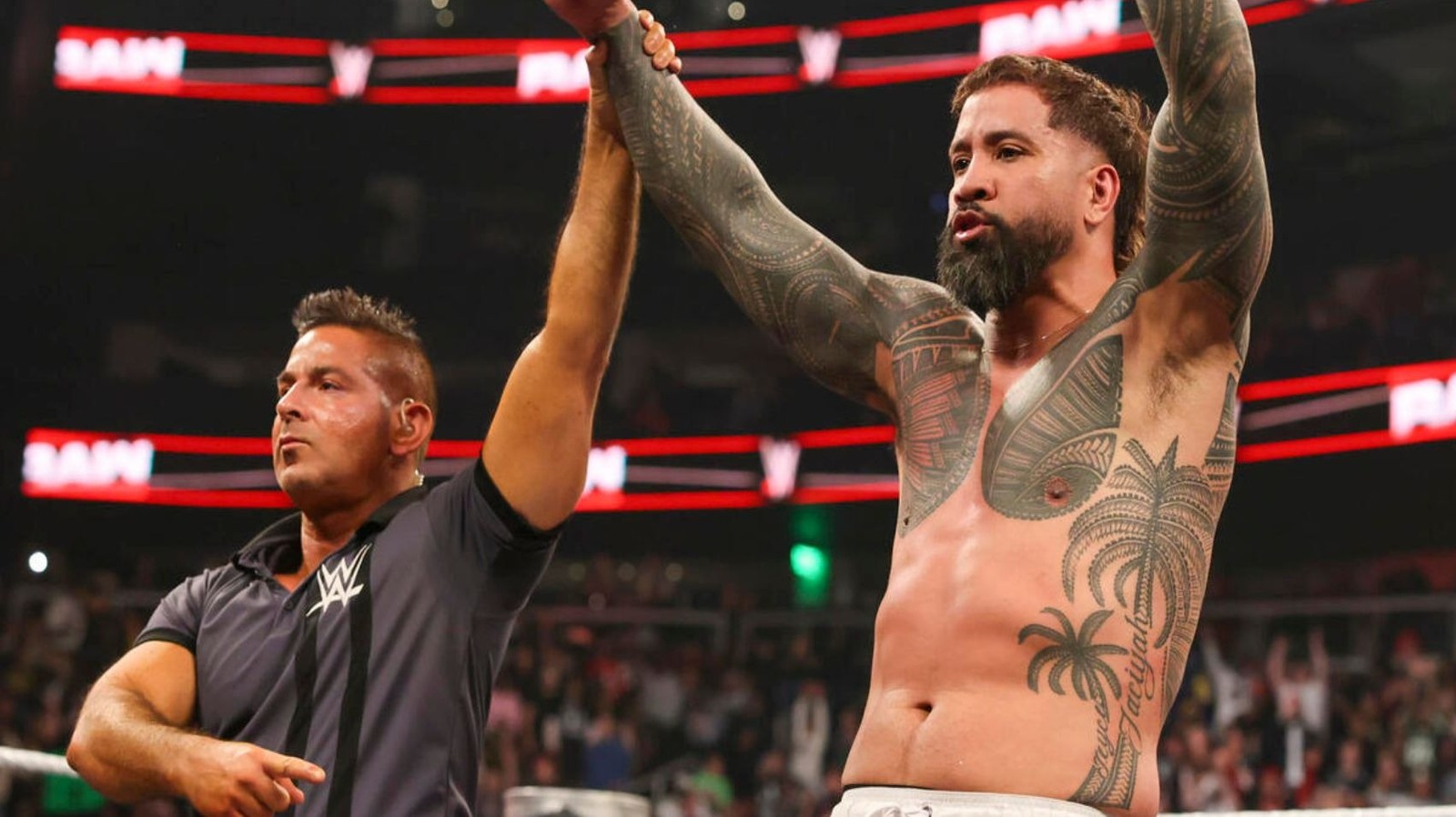
When Seth Rollins swung a steel chair into the back of Roman Reigns, he did more than just break up a popular trio; he launched the next decade of WWE programming. This moment necessitated the rise of three individual pillars who would go on to main event countless shows and define the 'Modern Era.' The efficiency of the turn was brutal, occurring less than 24 hours after they had swept Evolution at Payback. Fans often complain about 'long-term booking' being a myth, but this single betrayal fueled storylines that are still being referenced in 2026. The only flaw was the immediate pivot to Rollins as a cowardly heel, which felt like a step backward after the group's dominant run.
8. CM Punk Returns at Survivor Series (November 25, 2023)
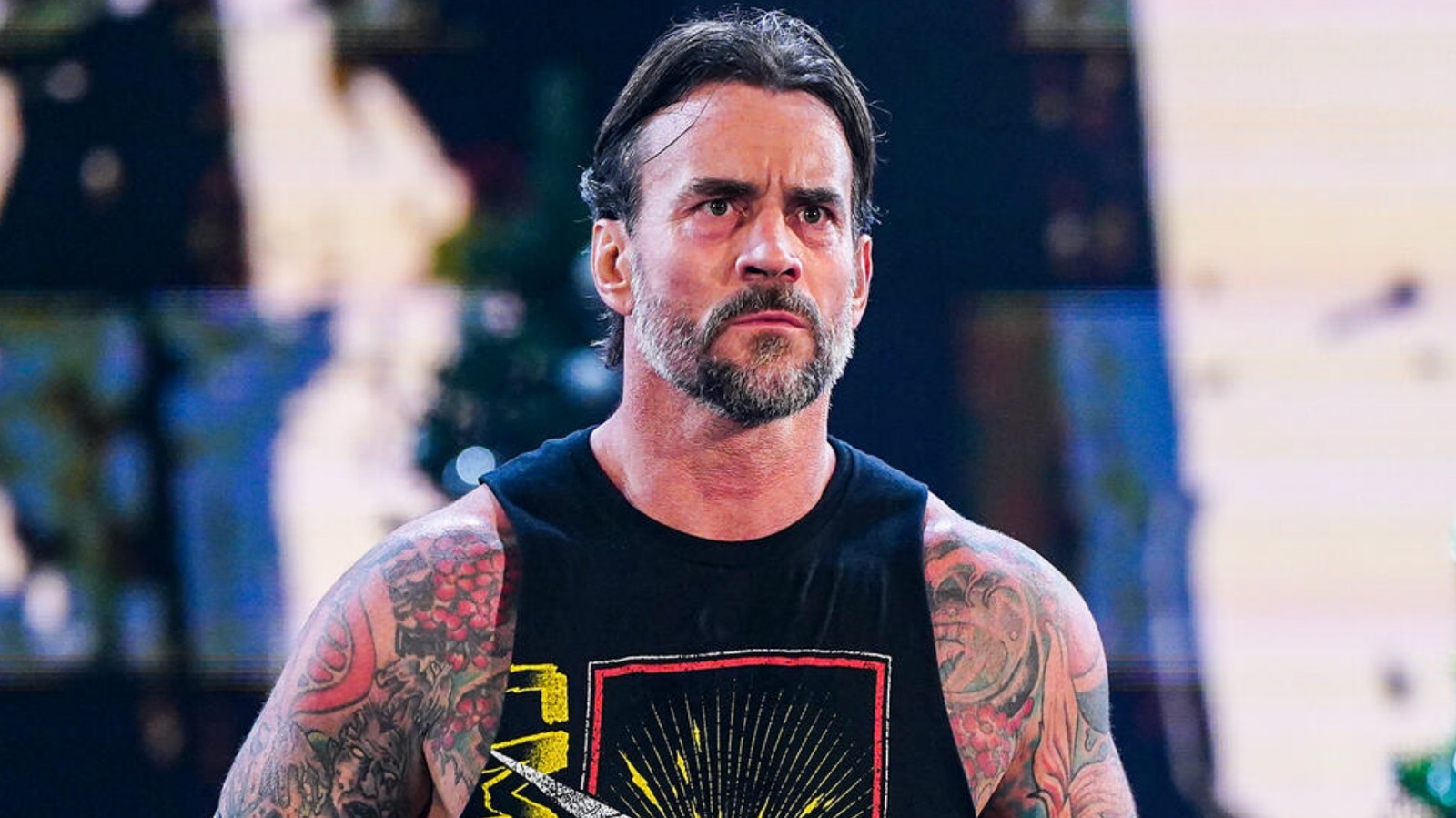
The sound in the Allstate Arena when 'Cult of Personality' hit was not just a pop; it was a collective intake of breath from an industry that thought it had seen everything. Punk’s return to WWE after a disastrous exit from AEW proved that the 'never say never' cliché in wrestling is actually a terrifying law of physics. This moment shifted the power dynamic back toward WWE during a period when the competition was finally finding its footing. It proved that star power still trumps brand loyalty every single time. However, the subsequent injury at the Royal Rumble served as a cold reminder that nostalgia cannot fix a 45-year-old body's limitations.
7. Cody Rhodes Finishes the Story at WM40
WrestleMania 40 saw Cody Rhodes finally pin Roman Reigns to win the Undisputed WWE Universal Championship, ending a reign that lasted over 1,300 days. The match was a chaotic, over-booked masterpiece that featured cameos from John Cena and The Undertaker, providing a level of fan service rarely seen in the modern game. This moment was the culmination of a three-year arc that saw Rhodes transform from a redundant mid-carder into the undisputed face of the company. It ranks this high because it successfully ended the most dominant title run of the 21st century without ruining the prestige of the belt. The critical flaw remains the sheer length of the Bloodline saga, which arguably overstayed its welcome by at least six months.
6. Hulk Hogan Joins the nWo (July 7, 1996)
When Hogan dropped the leg on Randy Savage at Bash at the Beach, he didn't just turn heel; he burned the 1980s to the ground. This was the moment the New World Order became a cultural phenomenon rather than just a wrestling stable. It forced the entire industry to adopt a grittier, more cynical tone that eventually led to the Attitude Era. WCW’s subsequent 83-week winning streak against Raw was built entirely on the back of this betrayal. It is the gold standard for how to execute a character reinvention. Still, the NWO's eventual bloat—adding members like Virgil and Horace Hogan—eventually diluted the impact of this legendary night.
5. The Montreal Screwjob (November 9, 1997)
Bret Hart being robbed of the title in his home country by Vince McMahon is the most analyzed incident in the history of the business. It blurred the lines between 'work' and 'shoot' so effectively that fans are still debating the details thirty years later. This moment birthed the 'Mr. McMahon' character, providing Steve Austin with the perfect corporate antagonist to kickstart the boom period. Without this act of backstage betrayal, WWE likely would have gone bankrupt under the pressure of WCW's spending. It was a cruel, unprofessional move that forever tarnished McMahon's reputation among purists, regardless of the financial success it generated.
4. WrestleMania I (March 31, 1985)
The first WrestleMania was a desperate gamble that could have ended Vince McMahon's expansion before it truly began. By involving celebrities like Mr. T and Cyndi Lauper, McMahon successfully moved wrestling out of the smoky arenas of the territories and into the mainstream pop-culture mainstream. The event proved that wrestling could be sold as a 'spectacle' rather than just a series of matches. It set the blueprint for every stadium show that has followed in the last 41 years. Critics at the time called it a circus, and they weren't entirely wrong, as the actual wrestling on the card was mediocre at best. But as a business move, it was the ultimate checkmate.
3. Austin 3:16 is Born (June 23, 1996)
Steve Austin winning the King of the Ring was supposed to be a secondary story behind Triple H’s punishment for the 'Curtain Call,' but his post-match promo changed everything. When he told Jake Roberts that 'Austin 3:16 says I just whipped your ass,' he provided the mission statement for the most profitable era in wrestling history. This moment moved the needle because it gave fans a protagonist who didn't care about being liked, which resonated perfectly with the mid-90s zeitgeist. It transformed a technically sound mechanic into a global icon overnight. The only downside was the decade of imitators who tried to replicate his 'anti-hero' vibe without having a fraction of his charisma.
2. The Fingerpoke of Doom (January 4, 1999)
This entry ranks so high because it is the most effective cautionary tale in the industry. Kevin Nash laying down for Hulk Hogan to reunite the NWO effectively killed the momentum of WCW’s biggest babyface, Goldberg, in a single night. On the same evening, Mick Foley won the WWE Title on Raw, and the infamous spoiler backfired, causing 600,000 viewers to switch channels. This moment represents the exact point where WCW’s ego-driven booking finally caught up with its balance sheet. It was a slap in the face to the audience that had stayed loyal through the late 90s. From this night forward, the Monday Night War was effectively over, even if it took two more years to sign the paperwork.
1. Vince McMahon Buys WCW (March 23, 2001)
The image of Shane McMahon appearing on WCW Nitro while Vince stood in a WWE ring on Raw remains the most surreal moment in wrestling history. The purchase of his primary competitor for a reported $4.3 million turned the industry into a virtual monopoly overnight. This moment ended the territories, ended the wars, and began a two-decade period of creative stagnation that only ended with the rise of AEW. It is the ultimate victory for one man's vision, but it was also a tragedy for the wrestlers who suddenly had nowhere else to work. No other moment has had a more profound or lasting impact on the structure of the professional wrestling business.
Honorable Mentions
The 1989 admission to the New Jersey Athletic Commission that wrestling was 'entertainment' to avoid taxes remains a massive business pivot. Additionally, the launch of the WWE Network in 2014 changed the pay-per-view model forever, even if it initially cost the company millions in short-term revenue. Finally, Kenny Omega and Kazuchika Okada’s 6-star match at Wrestle Kingdom 11 proved that the 'work rate' style could still create global buzz without the backing of a major US television network.