Kota Ibushi back on his feet
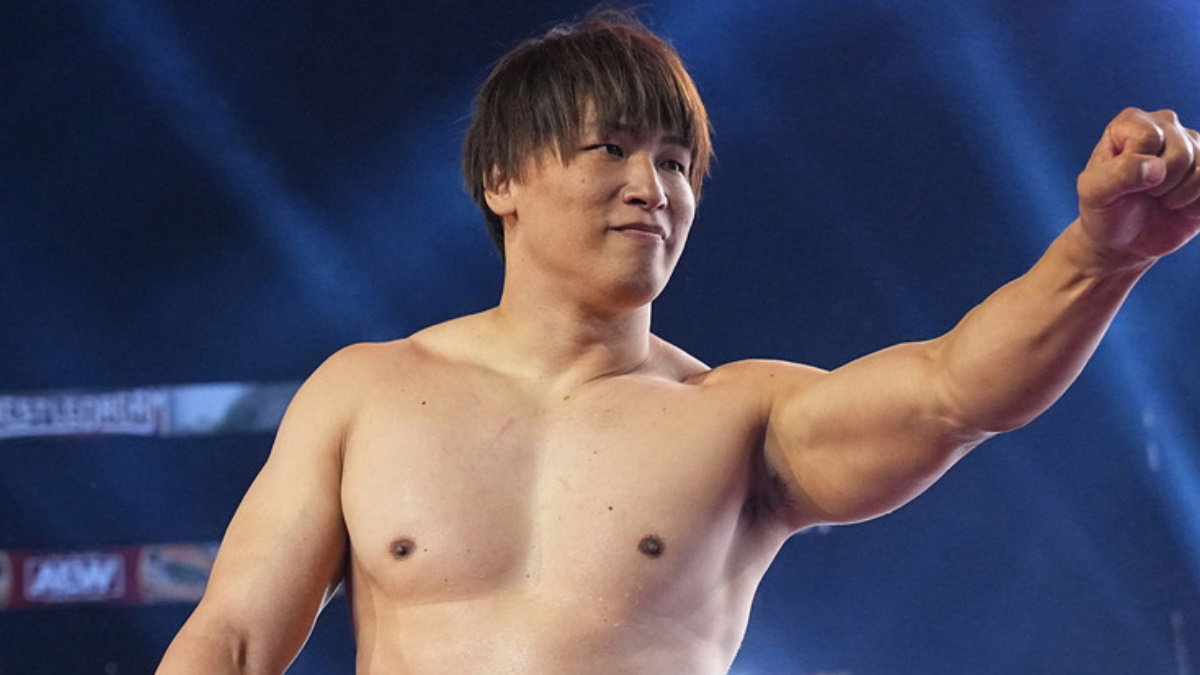
Kota Ibushi provided a significant update regarding his physical status today. Following a second surgery to repair a broken femur, the veteran performer claims he is currently able to squat and walk without mechanical assistance or significant pain.
This marks a massive shift from the initial prognosis. Femur fractures in professional wrestling are career-defining injuries, often requiring long-term rehabilitation before a return to the ring. Ibushi’s ability to move under his own power suggests the internal fixation hardware is holding correctly.
The AEW roster math
Ibushi being mobile changes the equation for the AEW medical staff. While the company has not cleared him for high-impact activity, his progress moves him from the long-term injured reserve list into the range of active physical therapy. Fans holding out for appearances at AEW Double or Nothing might still be disappointed, as wrestling mechanics involve far more torque and compression than walking on a flat surface.
The recovery trajectory of a femur break requires steady, controlled load-bearing to ensure bone density returns to pre-injury levels. Pushing for a return before the bone fully consolidates is asking for a recurring fracture. Watching Ibushi attempt a Phoenix Splash prematurely would be a disaster for his longevity.
Comparing the recovery
We see these injury cycles frequently in combat sports. The recent support provided by Dana White for victims of the Tumbler Ridge incident highlights how high-level medical care in private facilities can accelerate mobility outcomes compared to standard rehab channels.
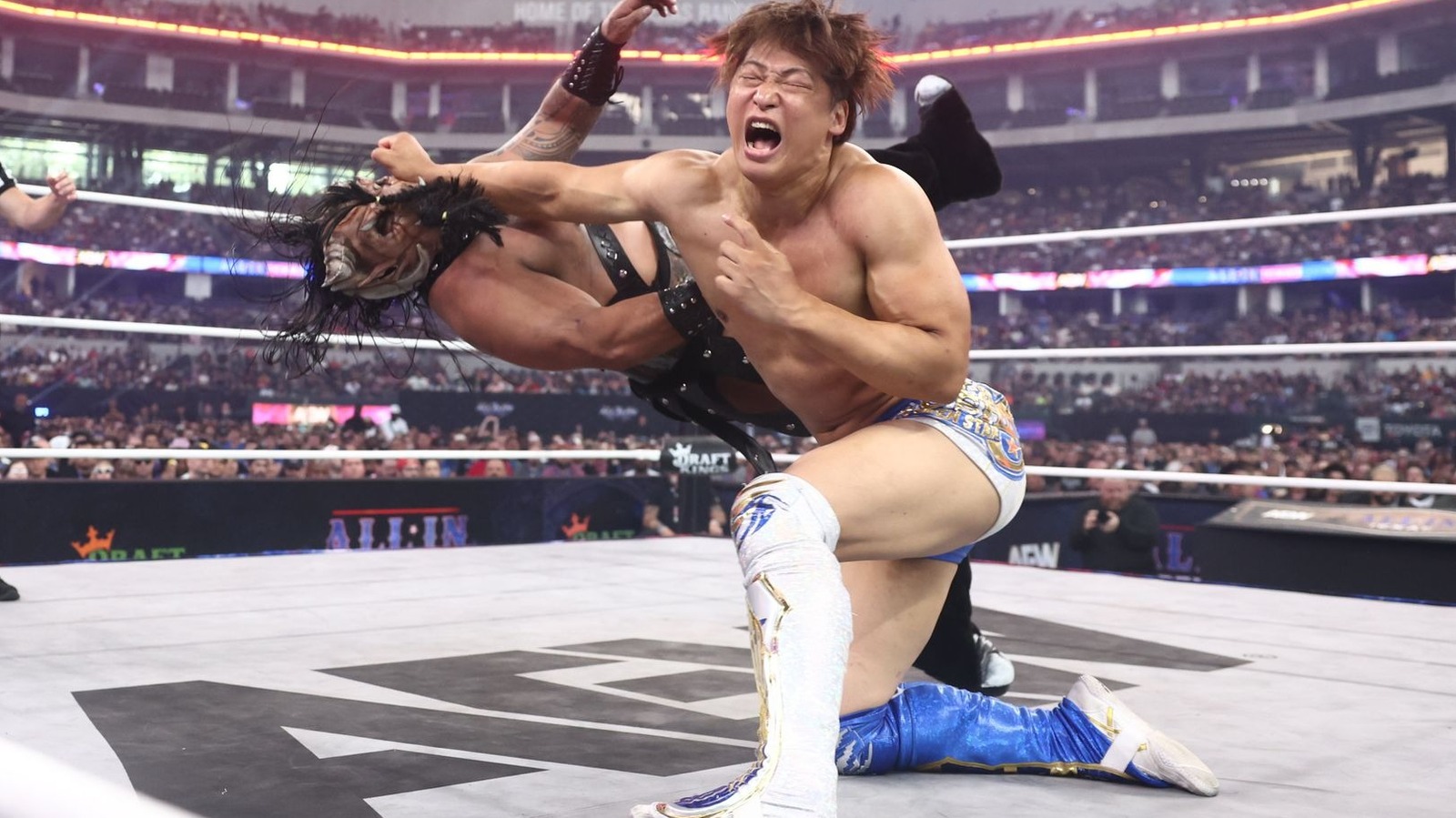
Ibushi has always danced on the edge of high-risk athletic performance. His style, built on explosive jumps and awkward landings, places extreme stress on the lower body. If his femur reaches 60 percent of its original structural integrity, that remains a concern for his long-term safety.
Strategy and medical reality
AEW management has to be careful with his return booking. Bringing Ibushi back into a six-man tag match is a setup for a collision hit to the thigh. The promotion should prioritize a clean, technical showcase if he joins the card for any late-summer engagement.
The current timeline remains speculative at best. Even with mobility, the difference between walking comfortably and taking a hip toss is significant. Expect the medical team to keep him away from the ring for at least 90 days to ensure the femur adapts to consistent, heavy weight-bearing exercises.
One major worry persists: compensation injuries. When one leg is sidelined, the body over-corrects, often leading to lower back or opposite-knee issues. If Ibushi’s development looks as good as he claims, we should see him in the training center environment by mid-June. Anything earlier is pure ego over anatomy.
His return to independent dates or major televised spots should only be considered after he passes 100 percent of the standard agility tests. Rushing Ibushi will prove expensive for both the company and the athlete. This is not the moment for a surprise return pop. It is the moment for disciplined, slow-play rehabilitation. Watching his progress through May will reveal if he is grounded in reality or just eager to get back to the squared circle.