The long road back for Ibushi
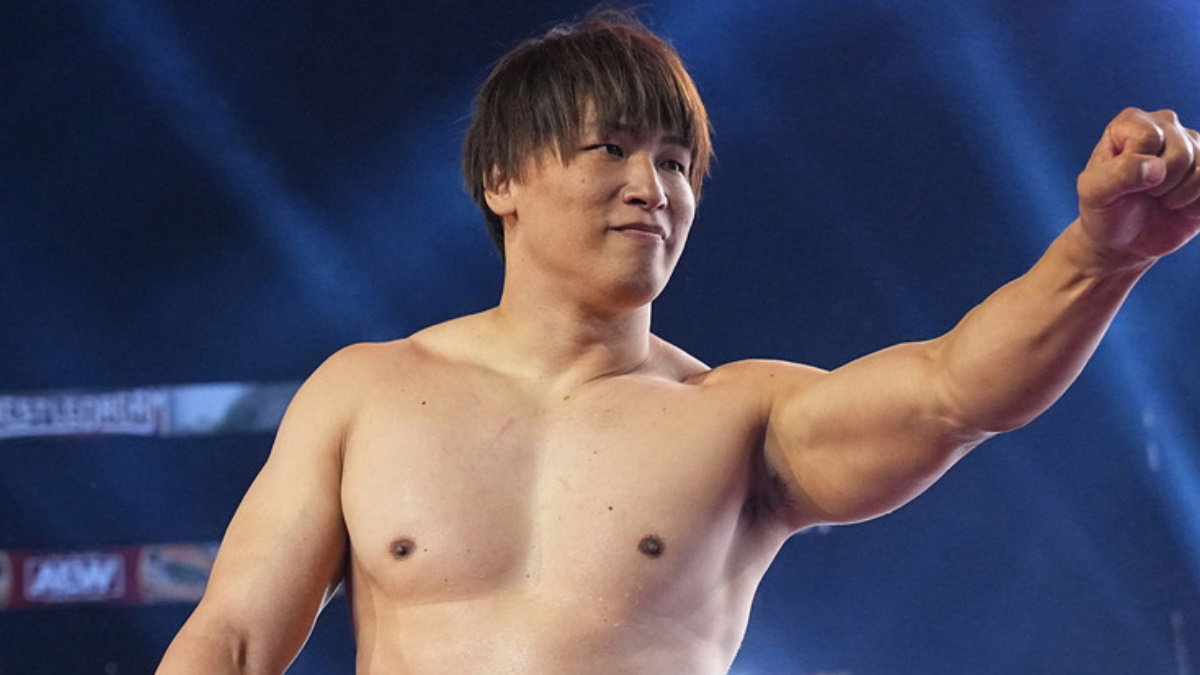
Kota Ibushi remains sidelined with no immediate end in sight. Internal expectations regarding a return to the ring have cooled significantly as the veteran navigates a recovery process that has proven more arduous than initially forecasted.
Reports from wrestling industry observers indicate that while Ibushi maintains a genuine desire to resume his athletic career, the physical reality suggests a prolonged hiatus. This is not the clean recovery many fans anticipated following his high-profile arrival stateside.
Setting the record straight
The current situation centers on the long-term wear and tear of a style defined by high-impact maneuvers, gravity-defying moves, and years of physical output within a heavy, high-speed schedule. Ibushi’s body has reached a point of diminished returns where surgical intervention and rehabilitation are no longer linear paths.
Dave Meltzer recently noted that the promotion’s internal expectations for any impending return to competitive action should be treated with extreme caution. The idea of a short-term comeback is off the table, forcing creative teams to formulate long-range strategies that exclude the former Tokyo Dome headliner.
Historical context and broader impact
Pro wrestling history is littered with performers who struggled to adapt their work rate as their bodies suffered from chronic damage. Ibushi’s case mirrors the career arcs of several high-flying Japanese icons who continued to push through trauma until the body mandated a forced retirement. The industry often struggles to manage these assets, frequently booking them for high-stakes bouts until the athlete breaks down completely.
The strategic outlook for his home promotion is now clouded. Ibushi was intended to be a marquee draw, a reliable weapon for major pay-per-view cards. His absence forces a reconfiguration of the mid-to-upper card. Without a timeline, the booking team is effectively flying blind, unable to build cohesive narratives involving his character.
The cost of the style
Criticism regarding the decision to push Ibushi into active competition earlier in his tenure remains valid. There were clear warning signs in his previous matches that the required mobility was failing him. Placing him in high-intensity spots without adequate recovery time was a management oversight that has essentially backfired.
The industry continues to grapple with the toll of this specific, high-velocity wrestling standard. When performers like Ibushi are sidelined, it highlights the lack of a standardized safety protocol across major promotions. Fans often clamor for the biggest names to be on television weekly, but the fiscal and physical reality is that promotions are losing valuable equity when they fail to protect their performers from themselves.
Looking forward
The current expectation is that Ibushi survives the next phase of treatment purely for his long-term health rather than his competitive utility. Any talk of an in-ring return remains speculative at best. This is a situation where the athlete’s longevity in life is now the priority, not his position on a lineup.
The promotion will likely maintain a silence on his status to avoid negative PR regarding his long-term availability. Investors and observers should expect little movement on this front for the remainder of the calendar year. The narrative has shifted from his next feud to his ability to regain basic quality of life outside of a taped ring.