The Big Picture
The battle for intellectual property in professional wrestling is fought with corporate filings and cease-and-desist letters rather than steel chairs. When promotions own a performer's name or signature move, it dictates where they can work and how they make a living after the contract ends. This list ranks the ten most consequential trademark disputes that reshaped the industry's power dynamics and financial reality.
The Top 10 Wrestling Trademark Disputes
1. WWF vs. World Wildlife Fund
The name change stands as the most expensive trademark defeat in sports entertainment history. The World Wrestling Federation signed a restrictive agreement with the World Wildlife Fund in 1994, promising to limit the international use of the 'WWF' initials. When Vince McMahon's company violated those terms on the internet, the environmental group sued in British courts and won. The ruling forced a massive rebranding to World Wrestling Entertainment in 2002, costing millions in marketing and forcing the company to blur its own history on video library releases for a decade. This ranks first because it permanently altered the identity of the world's largest wrestling promotion.
2. Marvel Comics vs. Hulk Hogan
Terry Bollea's rise to global fame in 1984 caught the attention of Marvel Comics, who threatened legal action over the 'Hulk' name. To avoid a shutdown, Titan Sports signed a 20-year licensing agreement that forced them to pay Marvel a percentage of Hogan's merchandise and event earnings. Bollea only secured full ownership of his ring name in 2005, long after his peak run as a top draw had ended. While it didn't force a company-wide rebranding like the WWF disaster, it ranks second because of the sheer volume of money lost to Marvel over two decades of peak Hulkamania. It remains a stark warning of what happens when a promoter builds a brand on borrowed intellectual property.
3. WWE vs. Cody Rhodes
After resigning from WWE in May 2016, Cody Runnels was legally prohibited from using his famous ring name on television. For four years, he worked across the globe and helped launch AEW while billed simply as Cody, while his wife kept the Rhodes name. The standoff ended in November 2020 when WWE agreed to drop its trademark claims, allowing him to reclaim his heritage before returning to the company. This ranks third, below the massive financial hits of the top two, because it directly interfered with a top star's identity during the creation of a rival promotion. It was a petty move by WWE that ultimately failed to stop his momentum.
4. WWE vs. Randy Orton
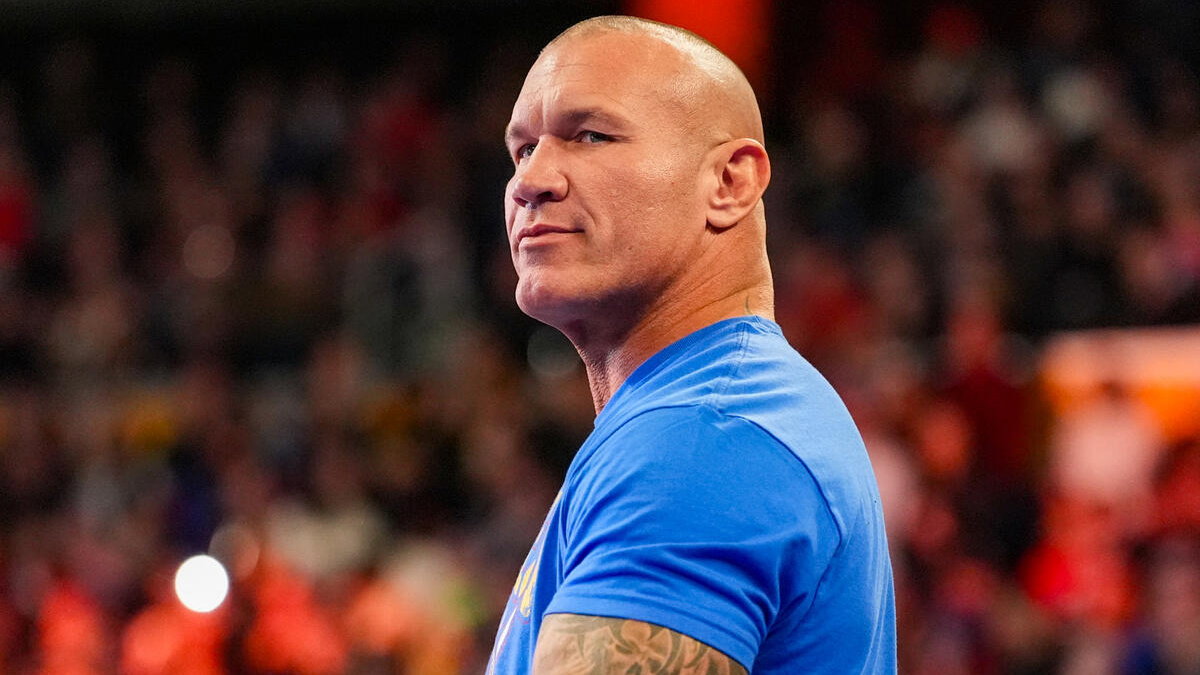
WWE's corporate legal team has repeatedly struggled to secure ownership of the 'RKO' mark. WWE filed a new application with the United States Patent and Trademark Office as reported by WrestlingNews.co, attempting to lock down the initials. According to a report by F4WOnline, the filing comes amid a similarity dispute that has complicated the company's ownership of the mark. Orton, who has been away from television, remains a focal point of this corporate struggle as WWE seeks to protect its merchandise revenue, as highlighted by WrestleTalk's coverage of the filing. This ranks fourth, just behind the Cody Rhodes battle, because it shows that even top-tier legends are subject to constant corporate trademark maneuvers.
5. The Kliq's 'Too Sweet' Gesture
WWE sent a cease-and-desist letter to the Young Bucks, claiming ownership of the 'Too Sweet' hand gesture. In September 2017, the corporate legal team claimed the Kliq's 1990s gesture as proprietary property to stop Bullet Club merchandise sales. The Bucks complied. They used the legal threat to fuel their 'Us vs. Them' storyline, which drove massive merchandise sales and fan engagement. This ranks fifth, below the individual name battles but above the minor disputes, because WWE's aggressive legal strategy backfired, giving their rivals a powerful anti-corporate rallying cry. It proved that trying to control fan culture through legal threats can alienate the audience.
6. Jim Hellwig vs. WWE
Jim Hellwig took the ultimate step to protect his identity by legally changing his name to Warrior in 1993. This legal move stripped WWE of its ability to control his bookings or claim his ring name after he left the promotion. The decision created decades of animosity between Hellwig and Vince McMahon, resulting in the infamous 2005 DVD release aimed at burying his legacy. This ranks sixth, below the Kliq dispute due to its individual rather than company-wide impact, because it represents the most extreme personal measure ever taken to defeat a corporate trademark grip. While it succeeded in court, it destroyed his career relationships for nearly twenty years.
7. WWE vs. Ryback
Ryan Reeves spent years in a costly legal fight with WWE over the trademark for his ring name. After leaving the company in 2016, Reeves legally changed his name to Ryback Allen Reeves to circumvent WWE's claims. WWE fought the registration for years before finally abandoning their claim in late 2022, allowing Reeves to keep the name. This ranks seventh, below Hellwig's ultimate name change victory, because it highlights the financial exhaustion tactics WWE uses against departed talent. It shows the dark side of the industry where independent contractors must spend their own savings to keep their identity.
8. WWE vs. Bubba Ray & D-Von Dudley
When the Dudley Boyz left WWE in 2005, they were forced to leave their iconic names behind. WWE held the trademarks. The duo rebranded as Team 3D and wrestled as Brother Ray and Brother Devon in TNA. They managed to rebuild their brand and win multiple world tag titles, proving that talent outweighs trademarks. This ranks eighth, behind Ryback's years-long fight, because it is a classic example of a team overcoming corporate restrictions. However, the forced change still cost them significant merchandise revenue during their prime years.
9. WWE vs. Chelsea Green
In late 2020, WWE filed to trademark the real birth name of Chelsea Green while she was under contract. When the company released her in April 2021, they kept the application active, effectively blocking her from using her own name in other promotions. Green had to hire attorneys and speak out publicly before WWE finally withdrew the filing. This ranks ninth, below the Dudley Boyz' tag team legacy impact, because it crossed a massive ethical line by attempting to own a performer's actual birth name. The negative public backlash was a rare defeat that forced the company to back down.
10. WWE vs. Billy Gunn
Monty Sopp has faced constant trademark blocks regarding his famous 'Billy Gunn' and 'Mr. Ass' monikers. WWE owned both names. That forced him to perform as Billy in AEW before creating the 'Daddy Ass' nickname. The new name became a massive hit with fans and generated significant merchandise sales for the Acclaimed. This ranks tenth, behind Chelsea Green's birth name dispute, because it shows how creative performers can turn a legal restriction into a career-resurrecting gimmick. It proves that wrestling fans care about the performer, not the exact corporate-owned name.
Honorable Mentions
Several other disputes deserve mention, including WCW's legacy pay-per-view names like 'Bash at the Beach,' which Cody Rhodes briefly claimed before trading them back to WWE. Additionally, the battle over the 'Bullet Club' name kept the Elite from using the brand in AEW, forcing them to pivot to 'The Elite.'