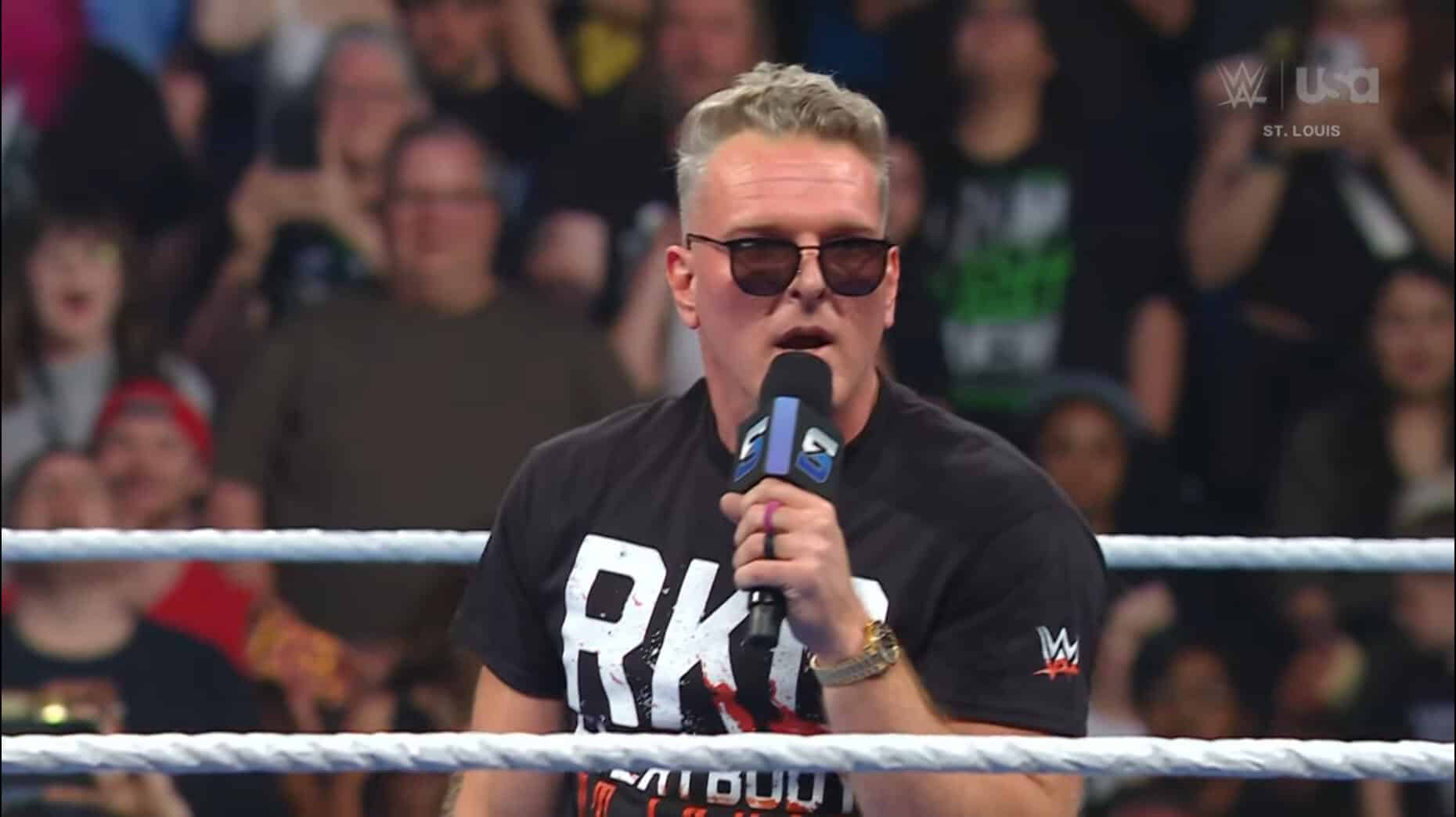
The Pat McAfee experiment shows the cracks in modern booking
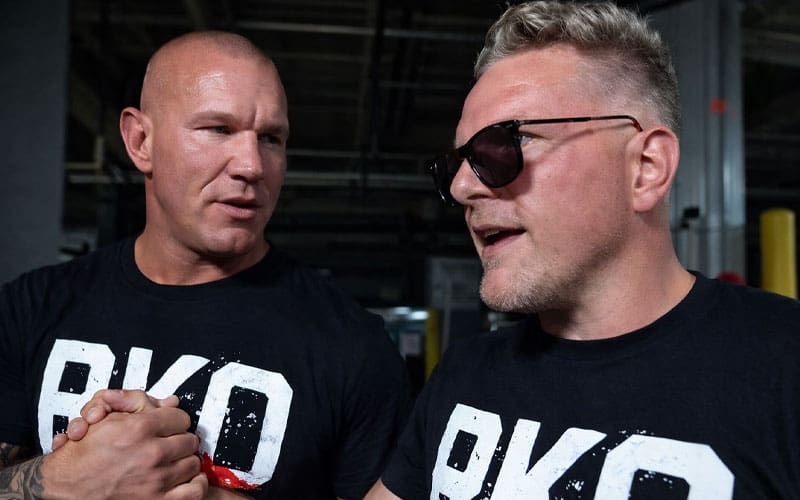
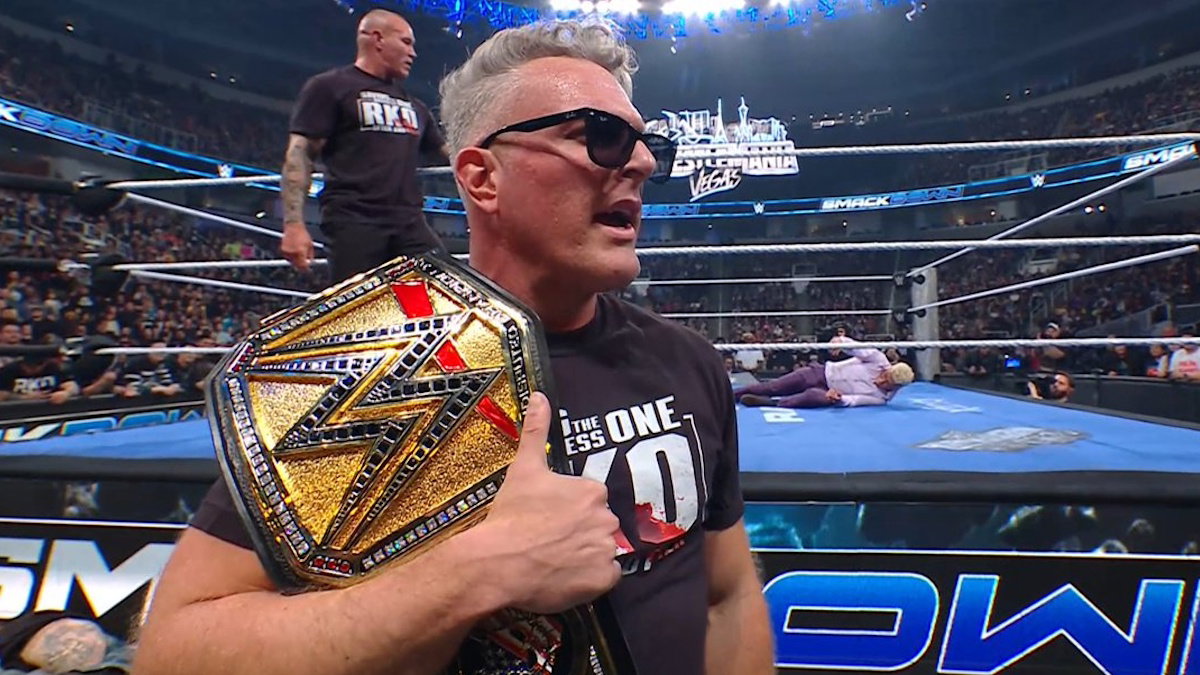
Here we go again. Every time the rumor mill spins up regarding Pat McAfee's role on the big stage, people treat it like a sovereign debt crisis. Reports surfaced recently that the former punter turned pundit turned his nose up at WWE return plans. The internet responded with the usual mix of panic and elitist disdain, as if the product will collapse into a heap of smoldering broken glass without his desk-shoving antics.
Let’s be honest for a second. McAfee is a master of the boom-or-bust microphone style. He brings the energy of a frat house basement to the polished corporate presentation of modern WWE. But when he turns down a booking, it reveals a fundamental truth about how the company treats its non-wrestler contributors. They want the viral clips and the mainstream legitimacy without providing a long-term plan for the actual, professional performers who carry the 52-week weight of the company.
The limitations of the celebrity guest star
Compare this to how wrestling used to handle high-profile outsiders. You had Lawrence Taylor stepping in at WrestleMania XI to actually wrestle a cohesive, if limited, match. He trained. He showed respect for the ring. McAfee has given us some genuine fun, like his chaotic brawl with Austin Theory or that surprisingly competent tilt with Chad Gable. But you can't build a foundational pillar of your television show around someone who treat appearances like a guest spot on a late-night talk show.
We are currently looking at a roster stacked with talent that is arguably the deepest in the history of the promotion. Guys like Ilja Dragunov or Gunther are putting on clinics every time they lock up. Why are we lamenting a scenario where a broadcaster decides to prioritize his own schedule over a temporary creative insertion? The obsession with celebrity cameos is a relic of the mid-2000s era. When the product is hot, you don't need a guy shouting on the table to keep the crowd engaged.
Refocusing on the actual wrestling
There is a specific danger in over-relying on voices that don't belong to the full-time narrative. McAfee represents a pivot towards a podcast-adjacent energy. It’s loud, it’s reactive, and it plays perfectly to clips on social media. But does it actually advance the story of a Intercontinental Championship climb? Rarely. It just adds another layer of noise to an already loud production.
If the plan was to bring him back into the mix, it likely would have bumped the actual color commentary or a mid-card angle to make room. That is a net negative for the performers who need those minutes to cultivate their own character development. WWE has spent the last year refining its broadcast standards, stripping back the excessive production fluff to make the matches feel like the main event again. Bringing back the chaos of a part-time guest feels like a step backward into the dark ages of Raw’s guest host experiment.
Look at the results of the current era. The ratings are up, the sold-out arenas are regular, and the WrestleMania 41 buzz is through the roof. This success isn't built on the backs of influencers in hoodies. It’s built on the consistent performance of the roster. If McAfee wants to stay in the studio, let him stay there. Nobody is going to cancel their premium subscription because the guy who once punted a football isn't calling a match between two guys who have spent their lives training to do it.
I will admit, the spectacle of a McAfee match is undeniably fun when he connects on a swanton bomb, but we need to stop pretending his presence is essential. Wrestling is at its best when the stakes are personal and the stories are told by people with skin in the game. That is how you create real tension inside the squared circle. Everything else is just window dressing, and we have enough of that already.
The discourse around these backstage denials is exhausting. We should be celebrating the fact that the company has enough confidence in its own roster to go forward without hedging its bets on outsiders. If WWE wants to move toward a more serious sports-presentation model, as many fans suggest they should, then having a guest commentator who treats the matches like a comedy bit is an anchor holding the ship back. Let it go. The guys in the ring are the real stars, not the guy who happens to have a loud microphone and a massive internet following.