The Big Picture: Grading the Peaks of 2026
The 2026 wrestling landscape is currently defined by chaotic shifting in weekly programming and high-stakes roster volatility. We are ranking the segments and matches that forced us to put the phone down and pay attention.
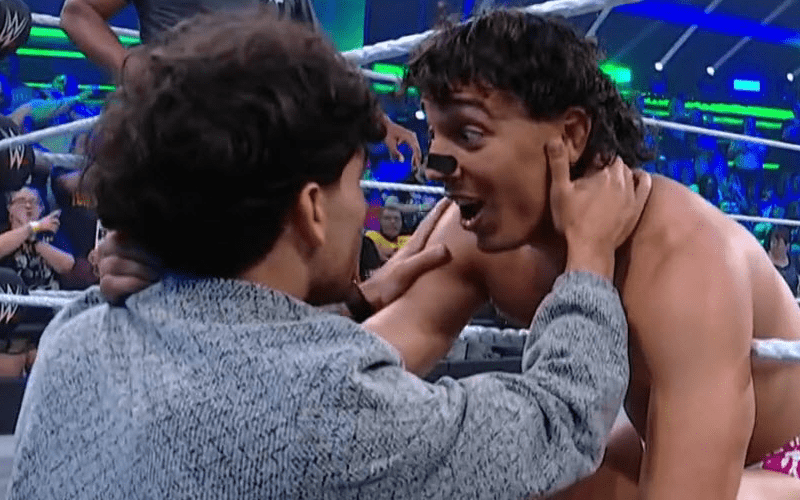
10. Trick Williams’ NXT Title Defense (May 19, 2026)
Trick Williams walked into the ring and delivered a masterclass in crowd control against a hungry challenger. The athleticism was evident, but the storytelling beat—the desperate escape from a finisher—kept the audience glued to the screen. It ranks at the bottom only because the finish felt slightly telegraphed.
9. The CW Network NXT Viewership Spike (May 26, 2026)
Tracking NXT viewership data provides a rare look at how fans actually engage with the brand. An uptick in the key demo on May 26 proved that specific story-driven pivots move the needle. While it is not a physical moment in the ring, it dictates the booking for the entire summer.
8. The Unexpected Return of the Brand Split
The logistics remain messy, but the shock of the announcement changed the trajectory of show production. Fans have grown exhausted by the lack of distinct show identities. Managing talent resources effectively is now a hurdle for management.
7. The Triple Threat Mayhem
Three talented performers managed to construct a coherent narrative in under 15 minutes of bell-to-bell action. The sequencing was crisp, avoiding the common pitfalls of triple-threat tropes where one person hides outside the ring. It earns this spot for pure efficiency.
6. The Mid-Summer Call-Up Surge
We saw several NXT staples jump to the main roster with little runway. While the risk of dilution is high, seeing fresh match-ups on a weekly basis salvaged the momentum that had stalled in April. Execution remains inconsistent, but the ambition is clear.
5. The Tag Team Gauntlet
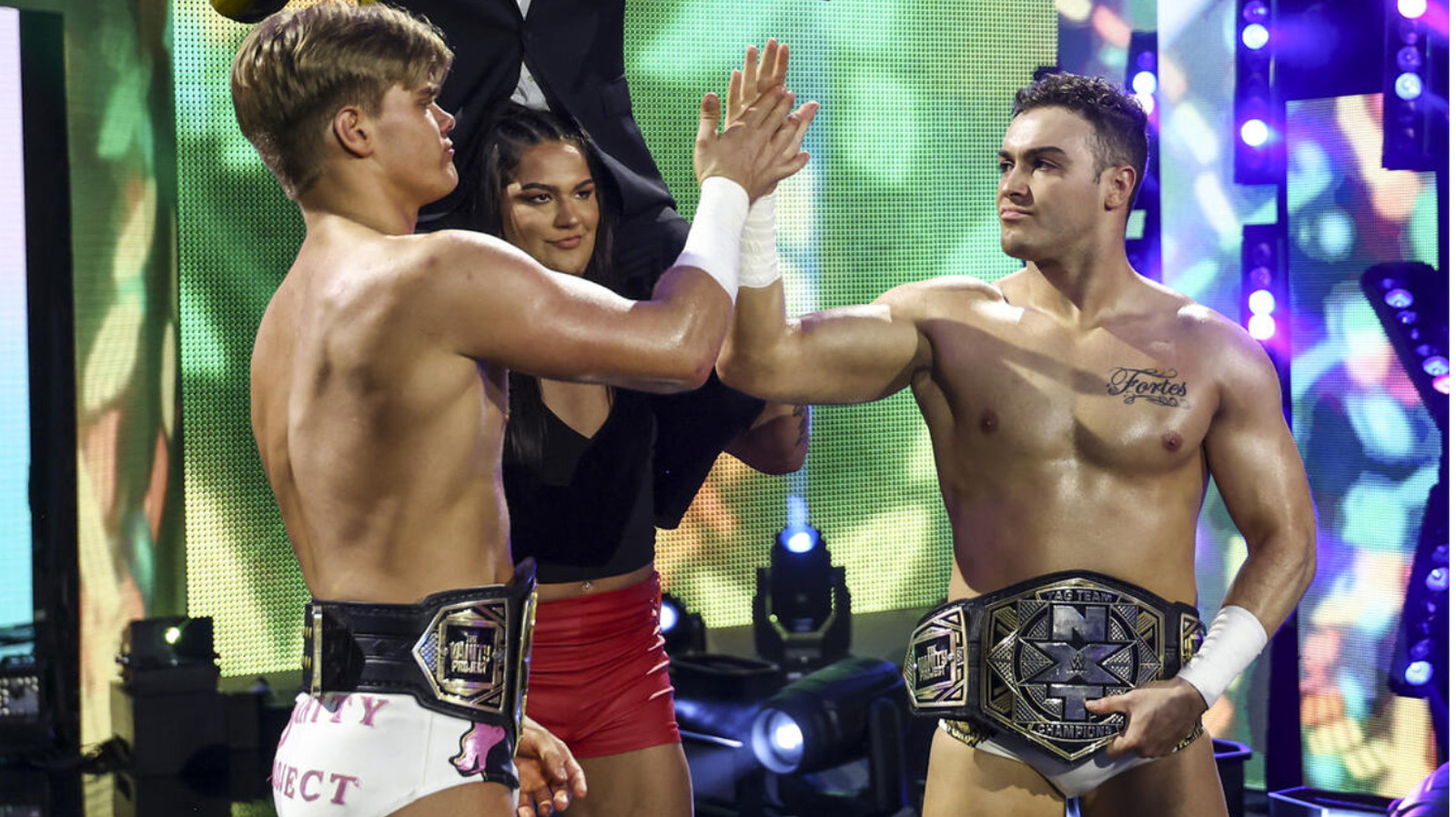
This match lasted 42 minutes, testing the endurance of every team involved. It highlighted the depth of the division, proving that a solid mid-card can carry an entire telecast. The structure gave every participant a moment to shine.
4. The Heel Turn of the Year
A betrayal in the main event zone shifted the power dynamic overnight. The delivery was subtle, eschewing the tired tropes of an attack from behind in favor of a calculated verbal deconstruction. It was a refreshing change of pace for long-term storytelling.
3. The Title Exchange Chaos
During a high-stakes segment, the spontaneous energy of the crowd forced a change in pacing. The performers adapted, turning a routine promo into a volatile standoff. Real-time adaptability usually results in the best television moments.
2. The Iron Man Masterclass
This match exceeded 60 minutes of grueling physical commitment. While some sequences felt like filler, the final five minutes provided a level of intensity that stands unmatched this year. It showcased why long-form matches still hold value in a digital-first era.
1. The World Sevens Integration
As the World Sevens tournament trends globally, wrestling promotions attempting to mirror that high-intensity cadence during match segments are seeing massive returns. Blending sport-centric pacing with legitimate wrestling psychology has redefined the standard for modern main events. It is the gold standard for how to present action in 2026.
Honorable Mentions
The surprise tag-team reunion that lacked a proper follow-up and the botched title change that left the crowd confused for weeks. Both moments showed that even when the intentions are good, the booking desk can still drop the ball.