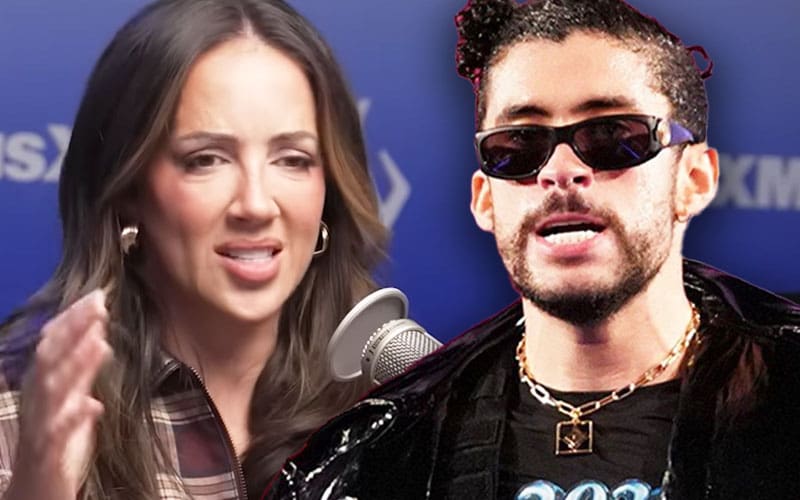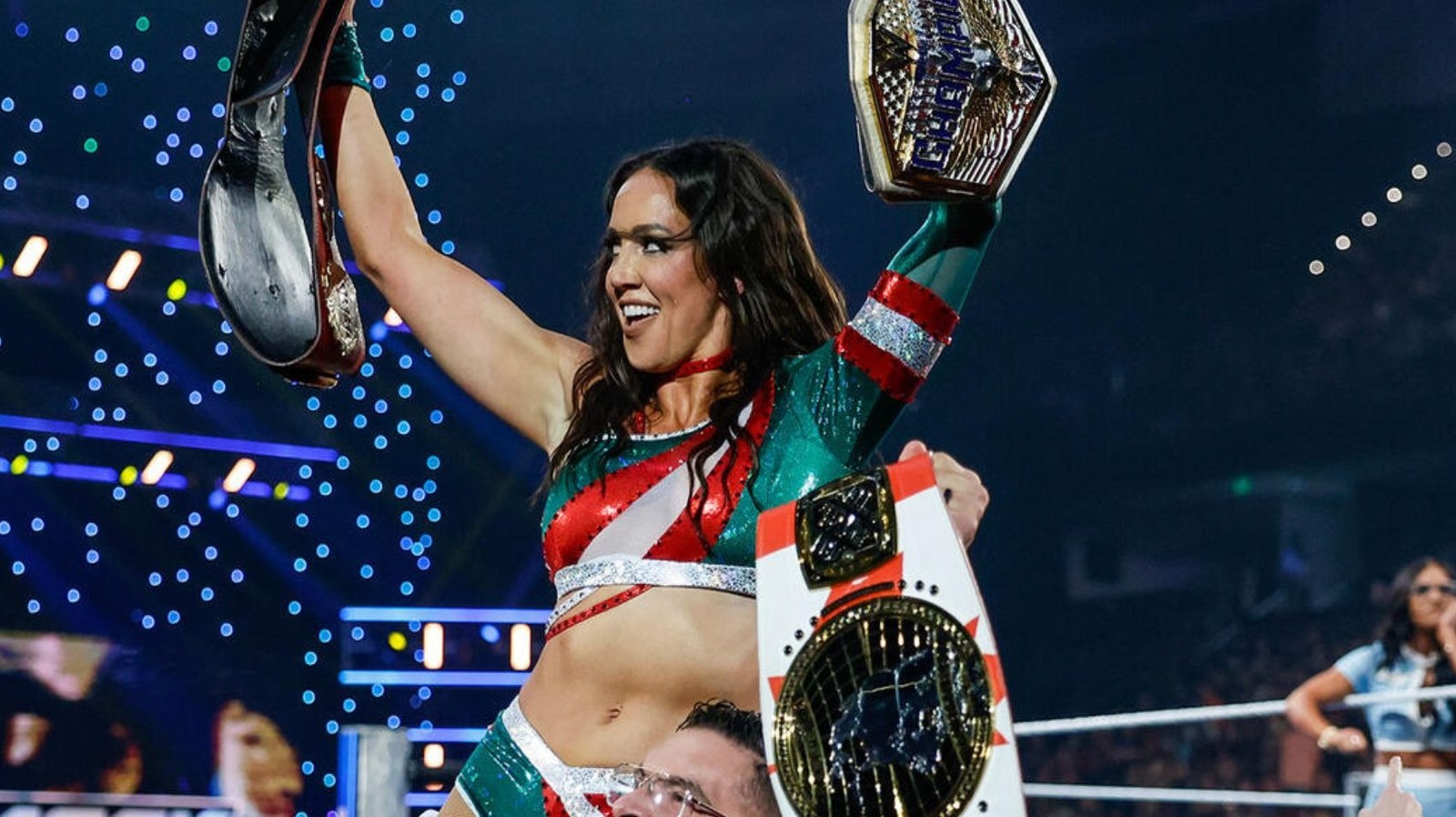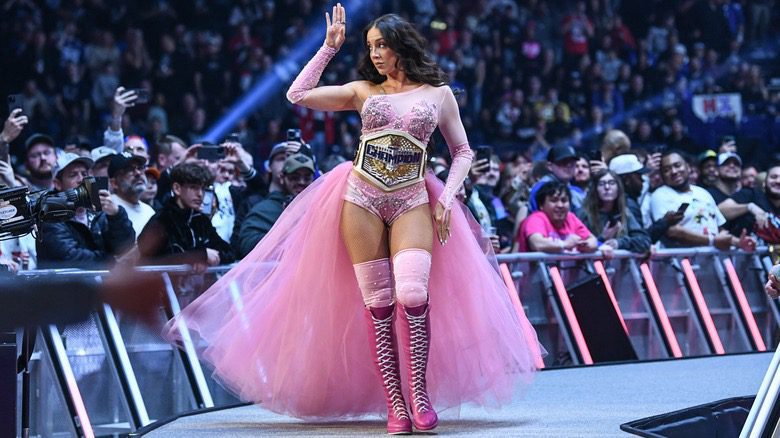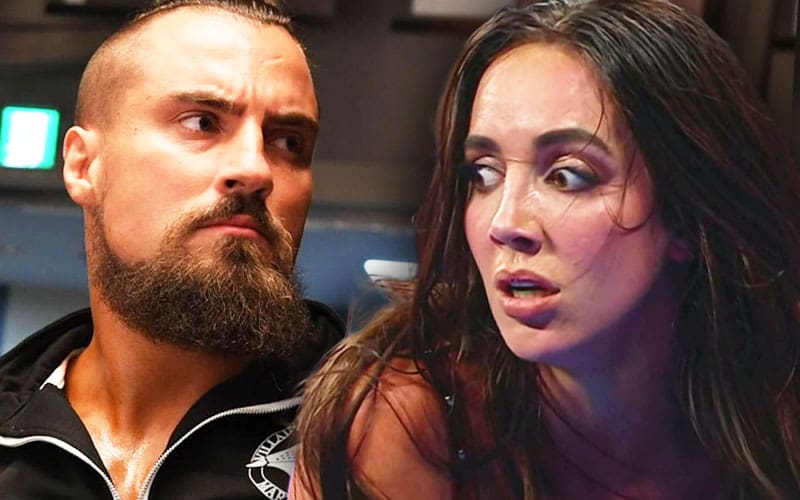
The social media firestorm hits Green
Chelsea Green is currently navigating a sharp turn in public perception. Fans have taken to social media to call out the WWE performer for maintaining personal ties with Marty Scurll, a move that has alienated a portion of her audience as of April 6, 2026.
This isn't just a random Twitter squabble. It represents a recurring headache for modern wrestling talents who find their private life scrutinized against their public brand. When personal associations clash with the values of the core demographic, the blowback is immediate.
The weight of the association
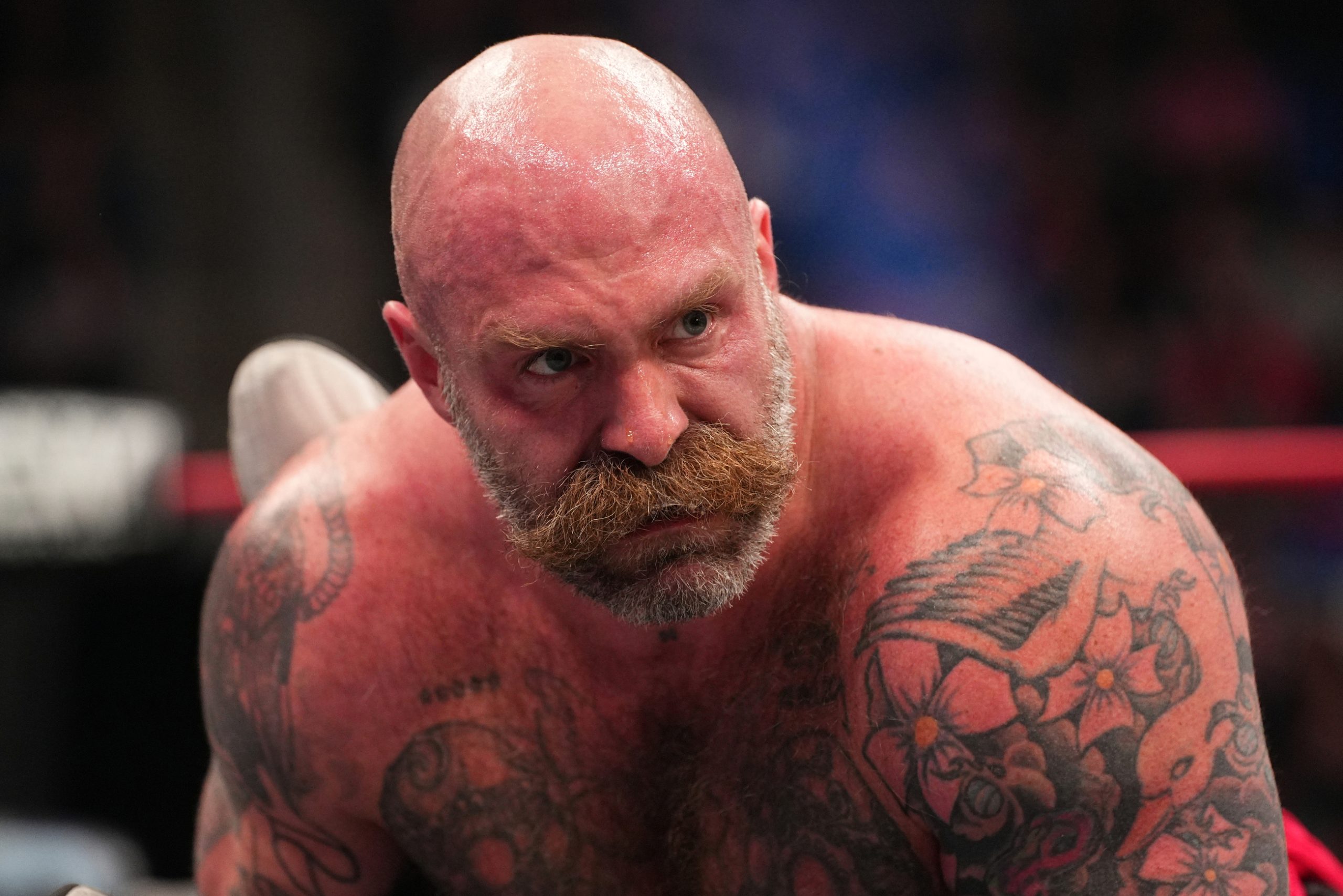
Marty Scurll has been a lightning rod for controversy for years following allegations related to the #SpeakingOut movement. Every time he surfaces in proximity to active mainstream talent, the internet conversation shifts from work-rate and storylines to moral accountability.
For Green, the situation is messy. She has built a persona as a character-first performer who plays the heel with precision. However, when the lines between character heat and genuine fan friction blur, the booking office usually takes note.
Chelsea Green is now facing backlash of her own — and it’s tied to her maintaining a friendship with Marty Scurll.
The core of the issue reported by Ringside News is that fans consider the friendship hypocritical. They argue that supporting a controversial figure contradicts the optics of a public figure in 2026. This dynamic puts Green in a defensive position.
The cost of industry loyalty
Wrestling culture has long been defined by a tight-knit brotherhood—or sisterhood—that prizes loyalty above external opinion. Yet, the current environment demands more transparency and alignment from performers. When talent leans into the 'old school' mentality of standing by friends regardless of outside allegations, they often miss the shift in modern fan loyalty.
This specific incident exposes a weakness in how talent managers handle off-screen PR. While Green is a proven commodity in the ring, her management of these optics leaves something to be desired. Ignoring the noise until it reaches a fever pitch is a strategy that rarely succeeds in the current climate.
The timing is also problematic. With WrestleMania 41 only 13 days away, the focus should be on the card. Instead, management is likely having to field questions about social media drama. It is a distraction that serves no one, especially not a performer trying to solidify their spot on the show.
A trend of disconnect
This situation isn't an isolated event. Many veterans struggle to understand why their private friendships are subject to public trials. But the reality of the wrestling industry in 2026 is that the fans are the primary monitors of brand ethics.
One might argue that talent should keep their circles private, but the modern performer puts their lifestyle on display for content. When you monetize your personal life through socials, the audience feels entitled to judge the contents of said life. You cannot selectively edit which parts of your identity the public gets to analyze.
Ultimately, the error here is one of perception management. Green doesn't necessarily need to disavow every contact, but ignoring the optics of a high-profile association is a tactical failure. If this continues, it could lead to a decline in overall merchandise sales or crowd support, a 5 percent dip in engagement being the standard metric for such controversy.
The company might eventually force a separation if the noise disrupts ticket sales. If the negative traction grows, do not be surprised if we see a quiet distancing by mid-May. WrestleMania Season is about building momentum, not managing the fallout from a PR crisis that was entirely avoidable.