Giovanni Vinci and the brutal arithmetic of the WWE middle card
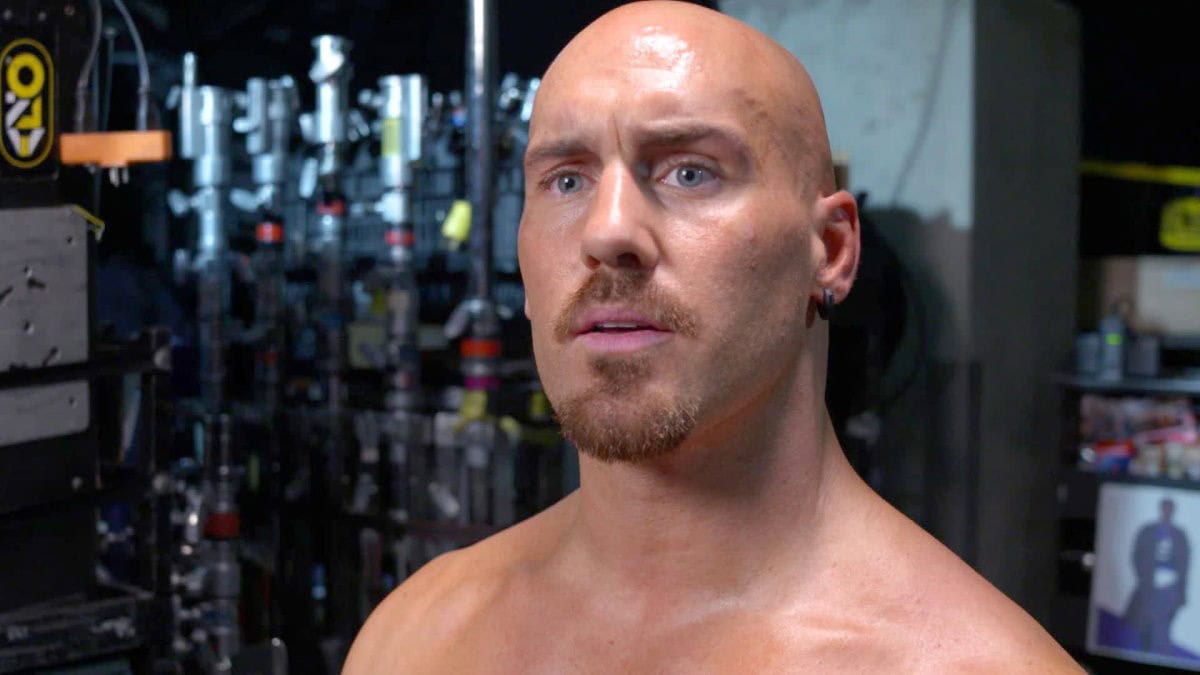
The expiration date of the Imperium mid-card
Professional wrestling operations often frame talent departures as necessary adjustments to roster flow. Yet, the case of Giovanni Vinci highlights the cold, mechanical reality of how WWE processes its mid-card assets. After vanishing from television for a year, Vinci’s eventual release serves as a case study in how quick-turnaround booking can cannibalize long-term investment. His journey from an anchor of the Imperium stable to a forgotten name illustrates the precarious nature of the NXT-to-Raw pipeline.
Vinci’s tenure hit a wall that has claimed many mid-tier performers, defined by moments that undermine a wrestler's utility rather than building their heat. Consider the incident in May 2025, where Vinci was subject to a four-second loss to Apollo Crews. In a production model that relies on momentum to justify TV time, such a booking decision functions as an absolute ceiling for a performer. Once a talent is reduced to a statistical anomaly in a squashing defeat, the path to credibility becomes mathematically unlikely.
It is difficult to reconcile this treatment with the technical proficiency Vinci displayed both in his solo runs and within the structured hierarchy of Imperium. As noted by Ringside News, Vinci characterized his exit as a weird mix of emotions, a sentiment that reflects the cognitive dissonance of being sidelined for a full year before the paperwork finally arrived. Stagnation is a silent killer in this business, often proving more damaging to a career than a high-profile loss.
The shadow cast by the Imperium split
The aftermath of Imperium’s shifting membership reveals the internal logic WWE uses to assess individual value. While Vinci was being phased out, his former teammate Ludwig Kaiser found an entirely different trajectory. Kaiser’s evolution into the persona of El Grande Americano has garnered genuine respect from his peers, including praise from Vinci himself. As reported by WrestleTalk, Vinci has gone on the record confirming that Kaiser is effectively killing it in his new role.
This disparity serves as a reminder that management identifies specific archetypes for success, and once a performer is categorized as a supporting piece, the chances of re-categorization are slim. Kaiser’s ability to Pivot into a more charismatic, character-driven identity underscores why simple in-ring work is rarely enough to survive the rotation. Vinci possessed the fundamentals, but the creative team failed to locate a hook that resonated with the audience during his time away from the fold.
Watching a talent sit in the rotation for twelve months before being released implies a lack of decisive creative vision. On April 20, 2026, we saw the Raw After Mania reinforce the standard for immediate impact, contrasting sharply with the slow decline of performers like Vinci. If a wrestler cannot be integrated into a meaningful program within the first quarter, the company’s current strategy suggests they are essentially dead money.
The cost of the transition funnel
Vinci’s situation reminds us that the integration of talent from developmental to the primary shows is rarely a linear progression of growth. The recent reporting regarding his release emphasizes that even established NXT call-ups are susceptible to sudden narrative abandonment. When the company is pivoting toward the next influx of talent, those caught in the middle ground are discarded without fanfare.
The 4-second defeat to Apollo Crews remains the most jarring data point in his recent history. It stripped away his status as a legitimate threat, effectively turning him into a prop during his own exit phase. Creative teams often reach for shock value to spike ratings for a single segment, losing sight of the long-term utility of the individuals involved. This is the hidden cost of the current velocity-focused booking model.
As we head toward Backlash on May 9, 2026, it is worth watching how the newest batch of talent navigates this same pressure. Will they be given the time to develop, or will they face a similar path to the four-second squash? For Vinci, the cycle has finished. For the rest of the roster, the math remains the same. If the performance does not translate to immediate viewership metrics, the creative department will find someone else who eventually will.
Ultimately, the departure functions as a pruning measure. WWE maintains a high-turnover policy that keeps the narrative moving at high speeds but often at the expense of veteran depth. Vinci clearly held onto a level of professionalism in his outlook, yet the reality remains that his contribution to the product had reached an impasse long before his name was removed from the active roster. The lack of creative direction during his final year was more damning than the actual release notice itself.
Mattel WWE Elite Collection Series 109 - Jey Uso Action Figure
Main Event Jey Uso in his signature gear, complete with articulations for high-f
More Coverage

Fatal Influence are testing the durability of WWE's tag team division
17 minutes ago
Sami Zayn’s title reign remains the flashpoint of modern WWE booking
17 minutes ago
Why nostalgia-heavy podcasting is failing the current wrestling product
18 minutes ago
Cody Rhodes and CM Punk are drifting toward a collision course
18 minutes agoSummerSlam's new match has the internet split right down the middle
an hour ago
Nick Aldis is stepping back into the ring for SummerSlam
an hour agoMore Analysis
Giovanni Vinci's Four-Second Funeral: Another NXT Talent Buried Alive
2 months, 4 weeks ago
Why Giovanni Vinci's silent exit from wrestling makes perfect sense
2 months, 3 weeks ago
Top 10: The Career Trajectory of Giovanni Vinci
2 months, 3 weeks ago
Giovanni Vinci deserved better than a four-second burial
2 months, 4 weeks ago
WWE’s April cuts ignore the logic of the mid-card
2 months, 3 weeks ago