The Big Picture
The first four months of 2026 have functioned as a frantic, high-speed collision between legacy and transition. From the dust of WrestleMania 41 in Las Vegas to the evolving lineups of AEW Dynasty, the industry is churning through talent at a breakneck pace while struggling to maintain long-term creative cohesion.
We are currently sitting in the shadow of the upcoming WWE Backlash on May 9, 2026, with rosters stretched thin and international touring demands complicating logistics. Sources indicate WWE isn’t bringing weekly television to Saudi Arabia for the June Night of Champions window, forcing a re-evaluation of the company’s global footprint.
The Rankings
1. Cody Rhodes’ WrestleMania 41 Survival
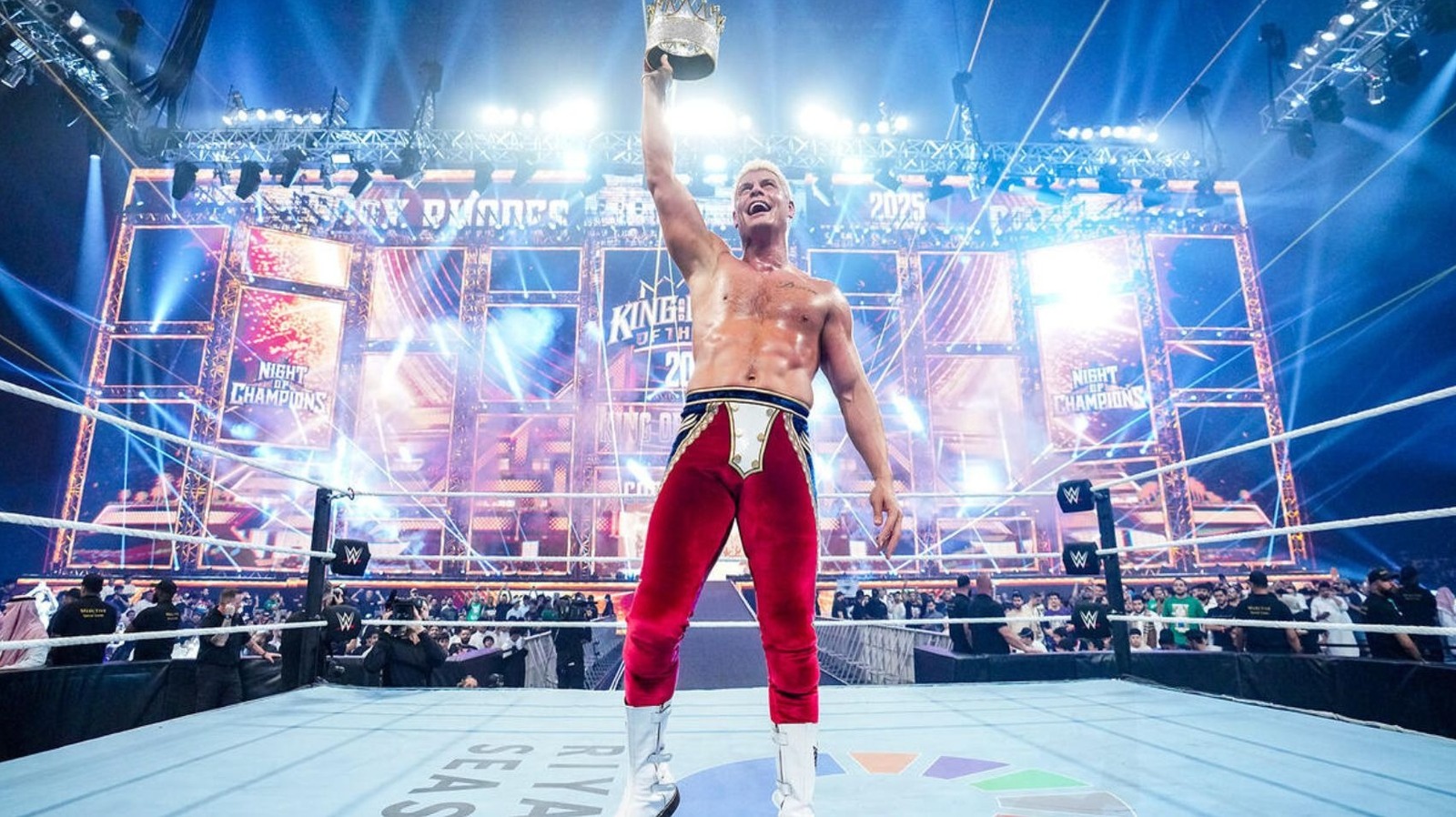
Rhodes headlining the Vegas spectacular and successfully retaining his title wasn’t just a main event result; it was the anchor for the entire year. He navigated a 32-minute marathon match that highlighted his internal endurance, though the pacing in the middle stretch dragged significantly after the first two finisher exchanges.
This ranks first because it signaled the end of the current dominance phase for the biggest star in the industry. Without this win, the post-Mania creative void would be cavernous.
2. The Retirement of John Cena
Cena finally closing the curtain in Vegas provided the singular emotional peak of the year. He didn’t need a long farewell tour, opting for a clean, definitive exit that preserved his legacy without the slog of a drawn-out angle.
The execution was flawless, though it leaves the 2026 card feeling noticeably lighter on star power in the post-Cena reality. Being at the top for two decades meant he was the floor for quality; removing that floor forces everyone else to step up.
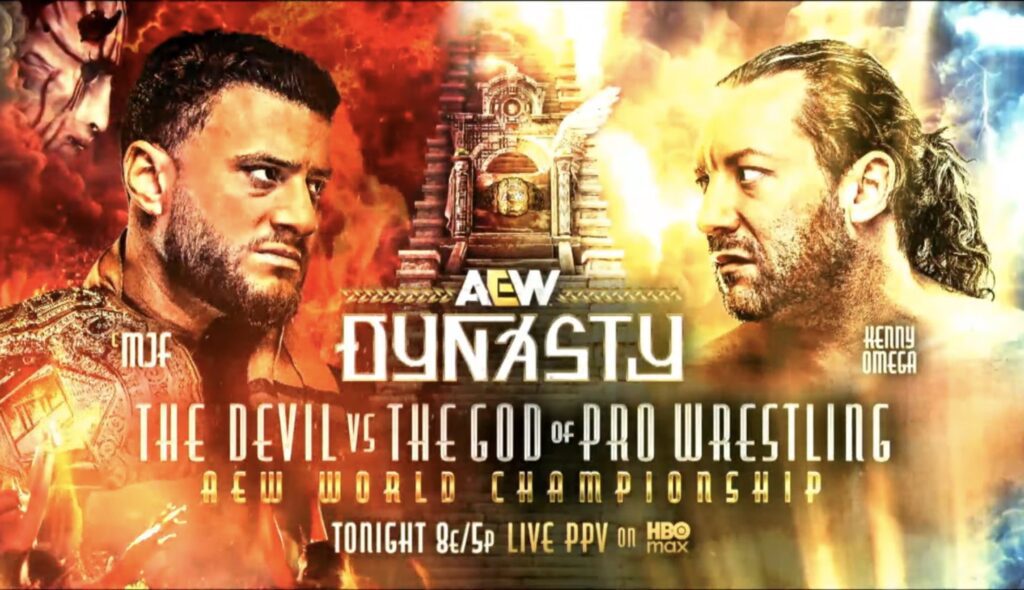
3. AEW Dynasty Main Event Excellence
March 2026 delivered arguably the technical match of the year, putting the AEW main event scene on the map for the remainder of the calendar. The storytelling here relied on established history between the competitors rather than cheap interference spots.
It sits at number three because, outside of this event, the company has struggled to define a clear path for its secondary belts. This win proved the top of the card is still elite, even if the creative depth chart is thinning.
4. The Surprise Shift in Performance Center Philosophy
The internal decision to pivot back toward independent-style talent acquisition in early 2026 changed the roster trajectory faster than anyone anticipated. We saw a spike in signings that prioritized in-ring experience over pure physical attributes.
This is a high-stakes bet on quality over character grooming, and many scouts are already questioning if the developmental system can handle a talent influx so late in the cycle. It keeps the business moving.
5. The Tag Team Revival
Mid-March saw a surprising uptick in tag team psychology across both brands, with teams finally moving away from perpetual 50/50 booking patterns. We saw genuine three-match programs again.
The reason this ranks fifth is that it represents a corrective measure to a structural problem that plagued the fall of 2025. It matters because division depth is the best way to rest high-usage main eventers.
6. International Talent Breakthroughs
The push of non-traditional prospects into the mid-card has been the most consistent thread of the spring. It is a necessary response to the travel burnout that has sidelined key heavyweights.
I rank this lower because the booking hasn’t always followed through on the momentum generated by these debuts. Winning a showcase match is different from holding a title through an entire summer cycle.
7. The WrestleMania 41 Staging
The production design at the Vegas site was a massive step forward, utilizing more practical elements rather than relying on digital screens for atmosphere. The visual identity of the event felt grounded, which is a rare pivot for modern corporate wrestling.
It lands at number seven because fans generally ignore sets once the bell rings, but the investment suggests a shift toward better live experiences in the coming 18 months.
8. The Mid-Season Manager Turnover
The sudden removal of three prominent managers in late February changed the dynamic of promos on Mondaynights. It felt like a forced attempt to freshen up stale feuds, though it arguably hurt the continuity of the involved performers.
It makes the list because of the ripple effect it had on the pacing of weekly shows. Sometimes, change for the sake of change results in less interest, not more.
9. Changes to the Women’s Division Pacing
The shift to longer, 15-minute segments for the top women’s programs has been the strongest tactical improvement of the year. It finally moves the division out of the "filler" slot on TV broadcasts.
This ranks ninth because it is a long-overdue change that should have happened in 2025. Giving them time is the bare minimum, not a revelation worth ranking in the top five.
10. The Return of the Surprise Roll-up
While often mocked, the tactical reintroduction of the rollup finish in big-stakes matches helped protect losing stars heading into the mid-spring push. It prevents a clean pinfall loss from completely burying a mid-card act.
It rounds out the list because it demonstrates a willingness to prioritize booking logic over fan satisfaction in the short term. It is a necessary evil that allows for longer, cleaner rivalries to develop later.
Honorable Mentions
The brief and chaotic push of the cruiserweight concept remains a footnote that failed to gain traction, and the locker room friction surrounding the AEW Fairfax dates has caused unnecessary distraction. Despite the headline-making controversies regarding touring cancellations, the actual in-ring action at the top of the card has remained surprisingly stable. We head into the Backlash cycle with 11 days until the bell rings, and the pressure on the writers to maintain this pace is the only story that matters moving into the summer.