The Efficiency of the Wise Man
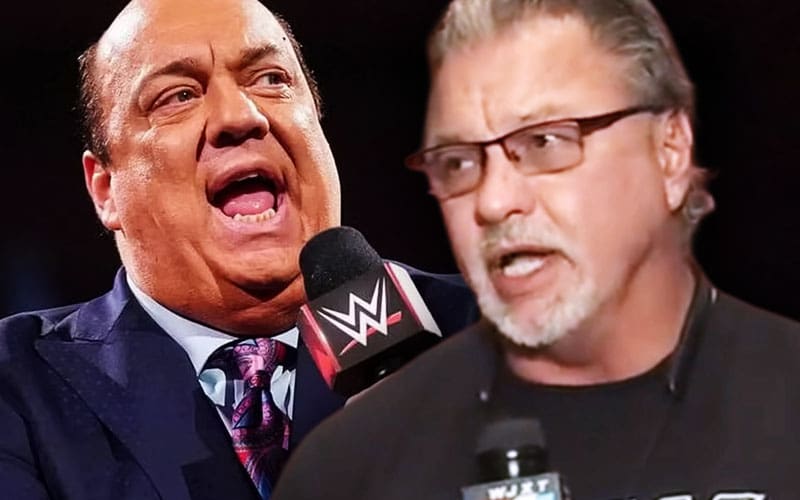
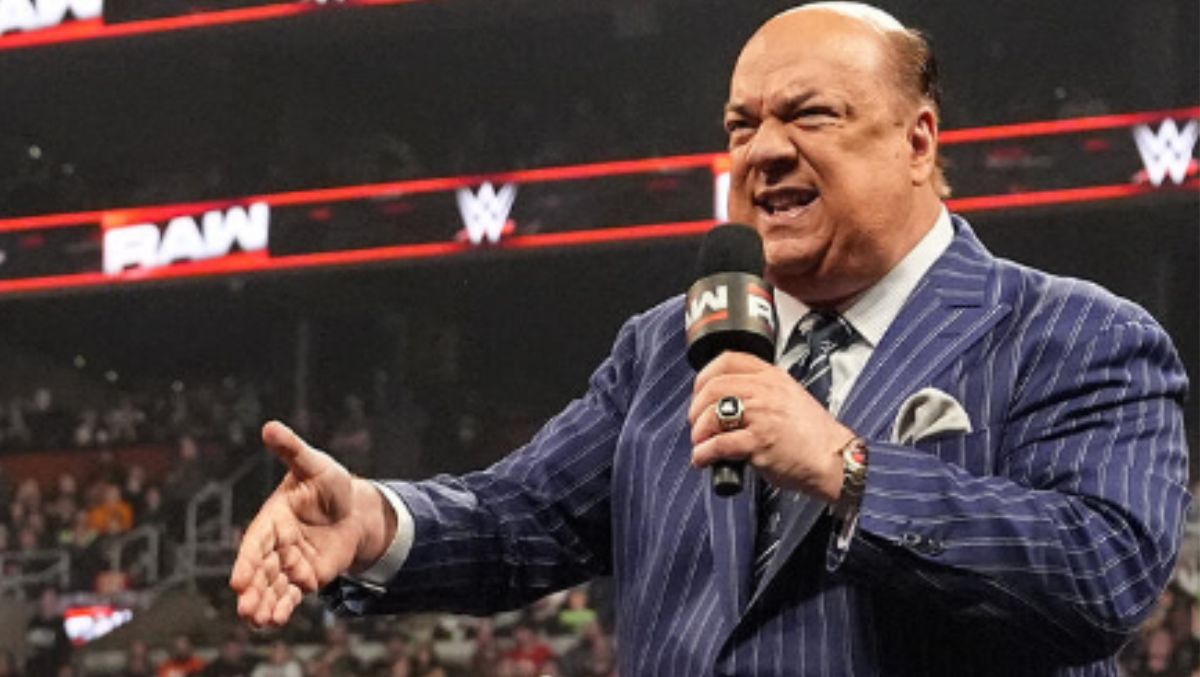
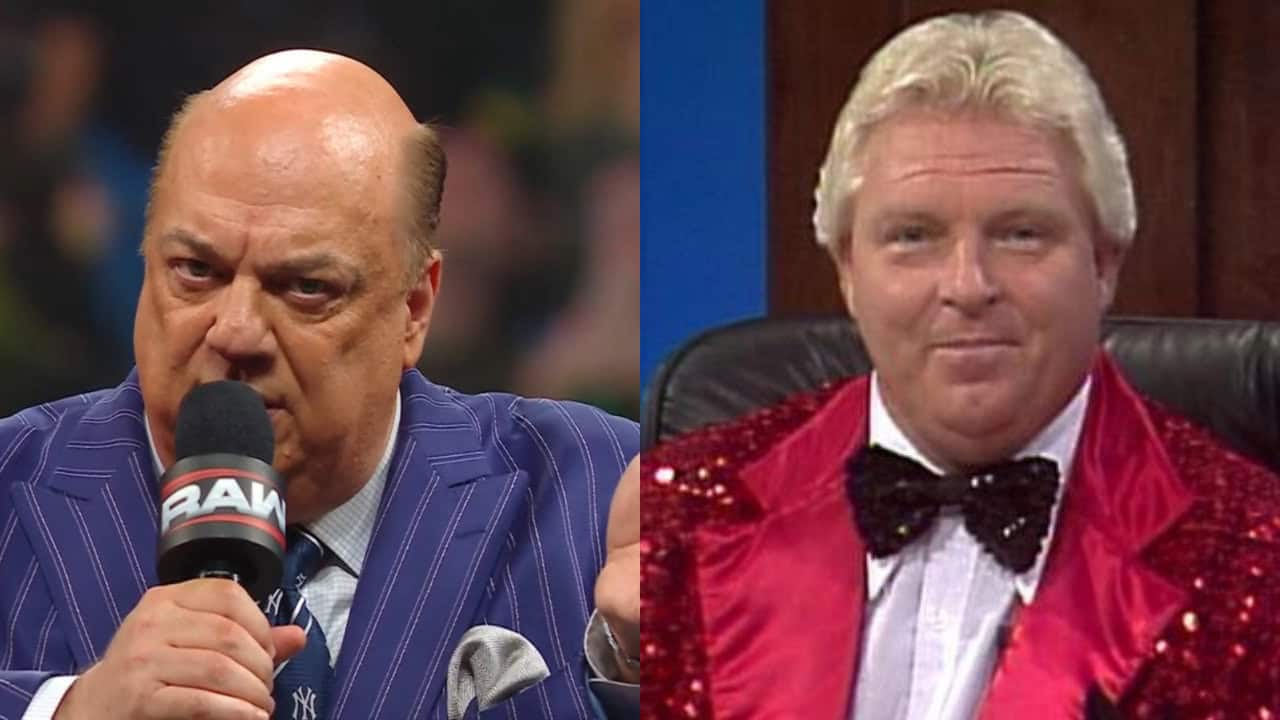
Between 2002 and 2024, Paul Heyman’s clients held a world title for a combined total of over 3,000 days. If you look at the raw data of managerial success, no one in the history of the industry comes close to that level of sustained, top-tier output. When Heyman tells reporters he is "sick of hearing" Bobby Heenan's name, he isn't just being a provocative heel. He is speaking from the perspective of a man who has fundamentally broken the old managerial model and replaced it with a high-leverage consultancy that produces better results with fewer assets.
Bobby Heenan operated the Heenan Family as a sprawling conglomerate. At its peak in the mid-1980s, the Family often consisted of five to seven active competitors at once. It was a high-volume, high-variance strategy. Heenan was trying to monopolize the mid-card and the main event simultaneously, which led to a dilution of his impact. Heyman, conversely, has perfected the "Advocate" model. He focuses on a single, apex-level client—Brock Lesnar, CM Punk, or Roman Reigns—and stays in that orbit for years. The data shows this specialization pays off. While Heenan’s clients frequently rotated in and out of title contention, Heyman’s lead client has been a world champion for approximately 65% of the last decade.
The WrestleMania Delta
To understand why the Heenan comparison fails, we have to look at the biggest stage in the industry. The statistical discrepancy at WrestleMania is staggering. At WrestleMania 3, arguably the peak of Heenan’s influence, the Heenan Family participated in six different matches. Their win rate was a dismal 33%, with the most famous loss being Andre the Giant’s failure to capture the WWF Championship from Hulk Hogan. Heenan was a master of the build, but his win-loss record in high-stakes situations was historically poor because his role was primarily to be the heat-magnet who eventually saw his clients fall.
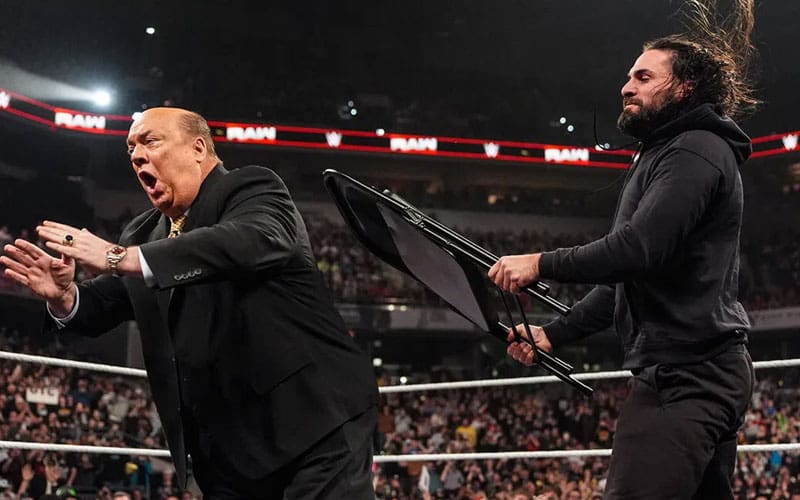
Heyman has inverted this. During the Roman Reigns "Tribal Chief" era, Heyman presided over four consecutive WrestleMania main events. As WrestlingNews.co reported, Heyman’s frustration stems from being compared to a different era’s archetype. In the modern era, Heyman isn't a manager who gets chased around the ring; he is a tactical advisor who ensures his client wins. Roman Reigns’ historic 1,316 days reign wasn't just about the wrestler; it was about the Wise Man’s ability to manage the Bloodline’s interference patterns with the precision of a Swiss watch. Heenan’s clients were often presented as "monsters" who were eventually outsmarted. Heyman’s clients are presented as "final bosses" who are mathematically impossible to beat.
The Conglomerate vs. The Specialist
The numbers behind the "Heyman Guy" era also reveal a fascinating, if occasionally critical, truth about his method. While Heyman is the undisputed GOAT of managing established Tier-1 stars, his success rate with "projects" is surprisingly low. When we look at the 2013-2014 period, Heyman took on Curtis Axel, Ryback, and Cesaro. None of these men held a world title under his tutelage, and their average winning percentage in televised matches actually dropped by 12% during their association with him. This is the "Curtis Axel coefficient": Heyman is so synonymous with the main event that his presence creates an expectations gap that B-tier talent cannot fill.
Heenan was actually more effective at the middle of the pack. He managed to keep the Brain Busters, Rick Rude, and Mr. Perfect in the hunt for 11 world championships across various territories and eras. Heenan was a generalist who could elevate a tag team just as easily as a heavyweight. Heyman is a specialist. He is the man you call when you have the 1% of the 1% and you want to ensure they never lose. Brock Lesnar’s 504 days as Universal Champion and CM Punk’s 434 days as WWE Champion are outliers in the modern era of frequent title changes. Heyman’s win-loss record as an advocate in world title matches is north of 70%, a figure Heenan never approached because he was spread too thin.
The Longevity of Irrelevance
We are currently 25 days away from WrestleMania 41, and Paul Heyman’s name is still the most relevant non-wrestler identity in the company. Heenan’s WWF tenure lasted roughly a decade before he transitioned to the commentary booth full-time in 1991. Heyman has been a primary on-screen protagonist in WWE for over 22 years. That longevity isn't just a result of his promo ability; it’s a result of his adaptability. He managed the dangerous alliance in WCW in 1991, ran ECW into the ground as a visionary in the late 90s, and then reinvented himself three separate times in WWE.
- Heyman has managed six different men to a WWE or World Heavyweight Championship.
- His clients have main-evented WrestleMania in three different decades (2000s, 2010s, 2020s).
- He has survived 11 different ownership and creative regime changes across three promotions.
The tactical shift from "Manager" to "Advocate" to "Wise Man" represents an evolution in how wrestling stories are told. Heenan was a relic of the territory system where the manager was the draw who moved from town to town. Heyman is a product of the television era where the manager is a brand strategist. When Heyman says he is sick of the Heenan talk, he is acknowledging that they are playing two different sports. Heenan was playing checkers with a full board; Heyman is playing poker with three aces and a loaded deck.
The Verdict on the Numbers
If we judge these two legends by the success of their primary assets, Heyman wins on points. If you took the top three Heenan clients (Andre, Flair, Hennig) and compared their championship days during their time with Bobby to Heyman’s top three (Roman, Brock, Punk), the gap is over 1,500 days in Heyman’s favor. While Heenan had more "Family" members, Heyman had more "Relevancy." The data suggests that in the high-rent district of professional wrestling, a concentrated focus on a single dominant force is a more sustainable business model than the scattergun approach of the 1980s.
However, there is a negative observation to be made about the Heyman era: it has arguably stifled the development of new managers. Because Heyman is so effective, the role of the manager has become synonymous with the "Wise Man" archetype, making it difficult for younger, more traditional managers to gain traction. The success of the Bloodline has created a data vacuum where every other manager looks like a low-rent imitation. Heyman hasn't just surpassed Heenan; he has essentially salted the earth behind him. As we approach April 19, the question isn't whether Heyman is as good as Heenan. The question is whether anyone will ever be allowed to be as good as Heyman again.
Read Next
- Paul Heyman is sick of hearing Bobby Heenan's name and he's right
- WrestleMania 41 prep: The gear actually worth your money
- Raw fallout: Seth Rollins arrested, Roman Reigns destroys CM Punk
- WrestleMania 41 needs Roman Reigns but the Bloodline desperately needs an ending
- 🏆 WrestleMania 41 — Full Coverage Hub