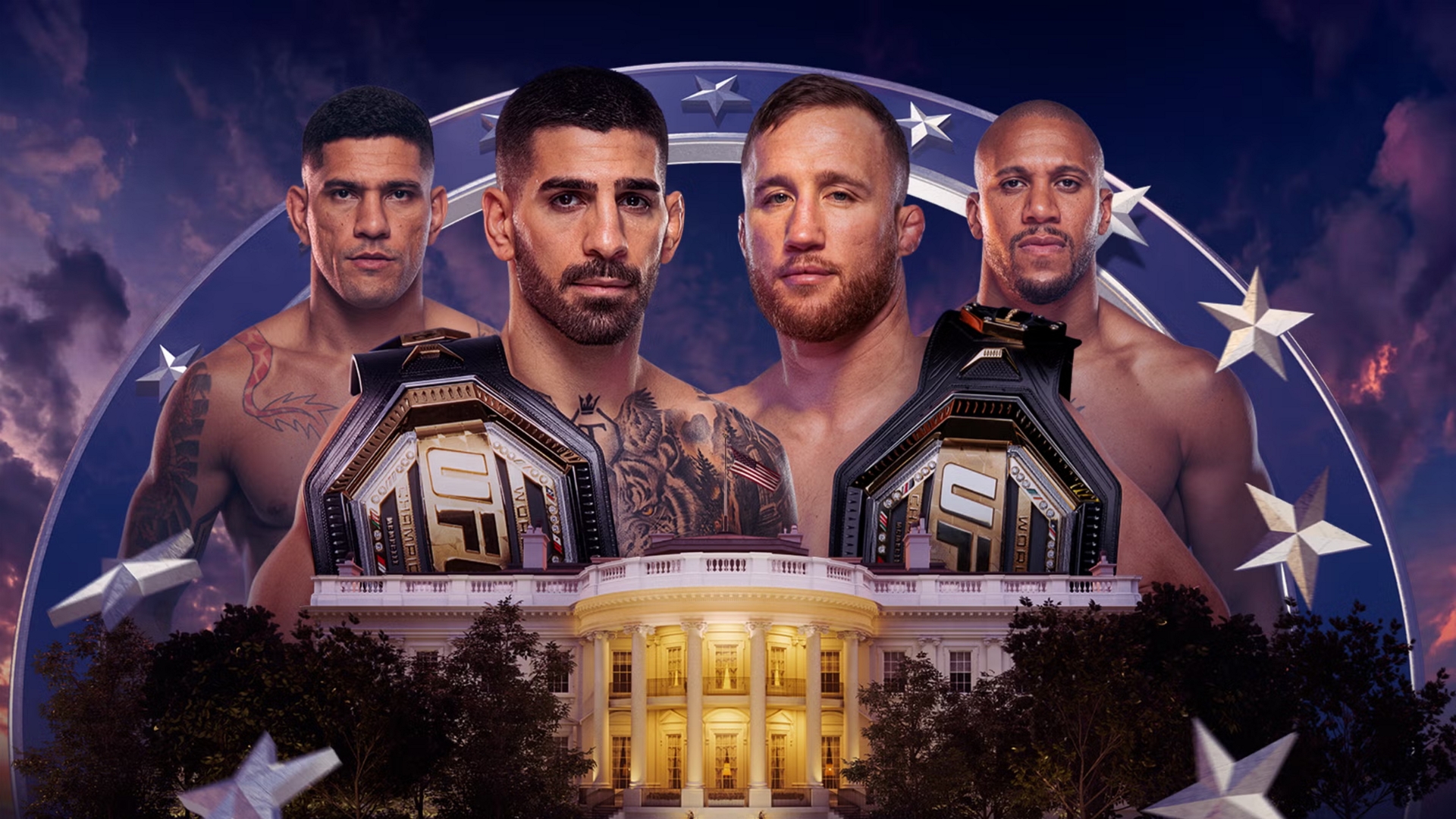
The Big Picture
The convergence of combat sports and the Executive Mansion has shifted from ceremonial tradition to high-stakes political theater. As the UFC 327 card at the White House demonstrates, the line between athlete, promoter, and commander-in-chief is thinner than ever.
The Ranking
10. The Preliminary Setup
Logistics for holding a professional fight card on federal grounds remains a hurdle that few promoters could clear. The sheer scale of transforming the grounds into an arena for Freedom 250 required unprecedented cooperation between athletic commissions and secret service protocols. It set the stage for the absurdity that followed.
9. The Presidential Guest List
The front-row composition at UFC 327 looked more like a cabinet meeting than a fight night. Seeing policy makers reacting to ground-and-pound sequences provided a jarring aesthetic. It proved that in 2026, the elite are opting for cage-side seats over gala dinners.
8. Josh Hokit vs. Derrick Lewis Announcement
Adding Josh Hokit against Derrick Lewis to the Freedom 250 card was a calculated move to inject heavyweight power into a high-profile venue. Wrestling Inc confirmed this bout was specifically targeted for the White House location. It provided the card with the knockout threat necessary to satisfy a casual audience.
7. The Dana White Directive
Dana White went on record confirming that the President personally intervened to pad the card. You have to wonder whether the matchmaking process is now subservient to executive whims. According to sources, the request was direct and prioritized the visual spectacle of the heavyweight collision.
6. The Commentary Booth Interruption
President Donald Trump physically approaching the commentary booth is a moment that reconfigures the standard broadcast experience. It wasn't just a ceremonial wave; he actively sought out Joe Rogan during a live shift. This discarded the traditional separation between state officials and sports media.
5. The Rogan-Trump Friction
The tension following the President's public critique of war policy created an uncomfortable broadcast dynamic. It wasn't the typically sanitized sports interaction fans are used to seeing. This moment proved that unfiltered political discourse can bleed into athletic commentary without warning.
4. The Epstein Remarks
Mentioning touchy subjects while a fight is underway is a massive breach of standard broadcast etiquette. Yet, the interaction between Rogan and the President touched on precisely those topics reported by Wrestling Inc. It highlights how the White House venue forces a unique, unpredictable brand of engagement.
3. The Freedom 250 Production Value
Hosting a card of this size on the South Lawn requires a level of staging that dwarfs standard arena setups. The lighting rigs and cable runs had to be cleared to avoid damaging historic grounds. It showed that if the budget is high enough, federal barriers are mere suggestions.
2. The Political Weight of the Card
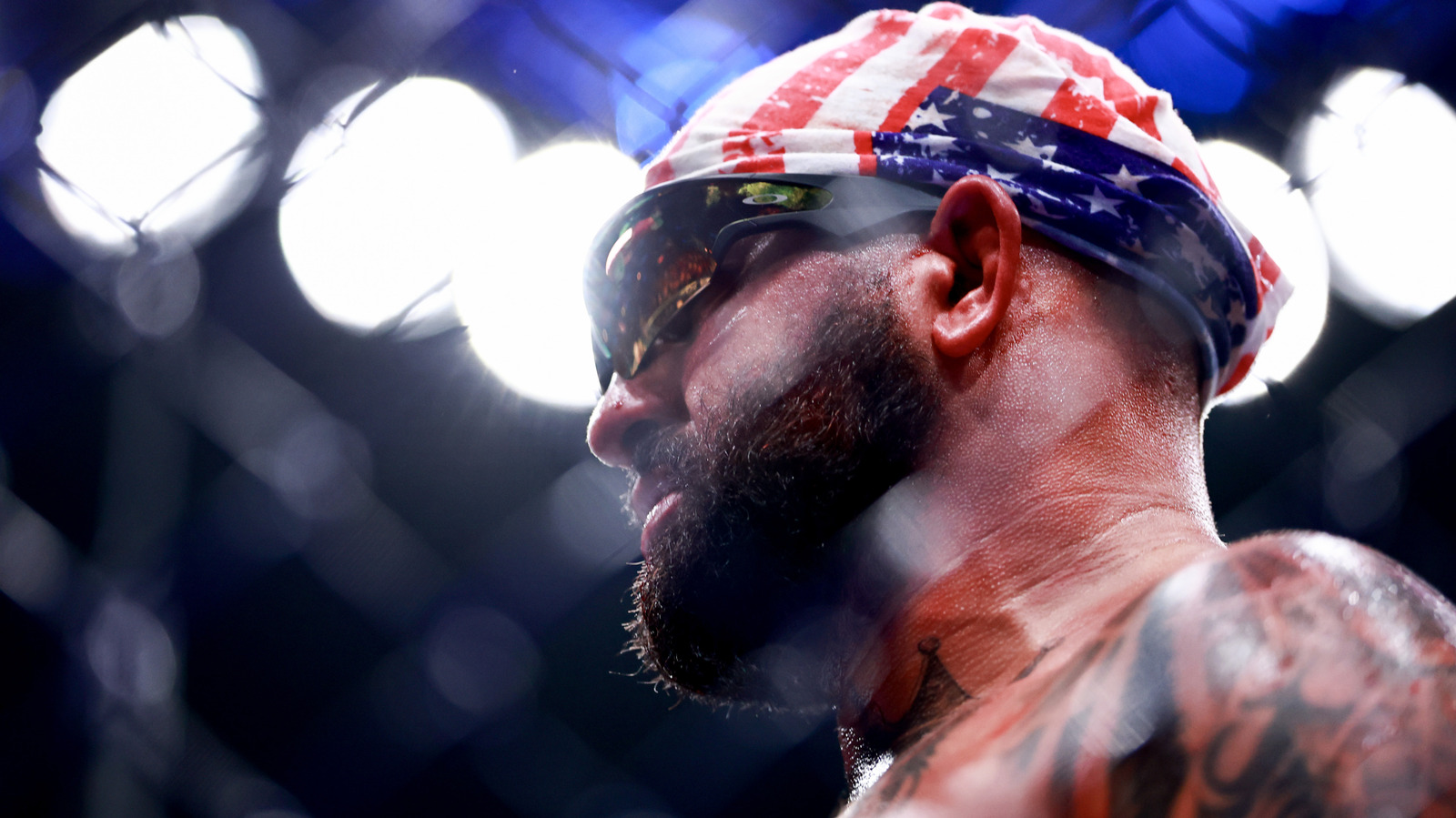
Every fight on the UFC 327 card felt like a statement because of the venue. The pressure on Hokit and Lewis to perform in front of the most powerful person in the world adds a layer of stress that can ruin a fighter's game plan. It is arguably the most intimidating environment a modern fighter can enter.
1. The Normalization of the Hybrid Venue
The number one spot goes to the precedent itself. By successfully executing this card, the UFC has opened the door for perpetual political integration into the sport. It represents a pivot where a fight promotion becomes a central pillar of state-sanctioned entertainment.
Honorable Mentions
The security clearance delays for staff and the lack of traditional concession stands created a headache for on-site media members. Some fighters complained about the stifling security presence impacting their pre-fight warmup routines. It was a chaotic logistics nightmare masked by the glamour of the location.