Measuring the spectacle at WrestleMania 33
AJ Styles has participated in seven WrestleMania events since his debut, a tenure that includes technical classics against names like Shinsuke Nakamura and Randy Orton. Yet, when evaluating his own legacy, Styles recently pointed toward his 2017 showdown with Shane McMahon as his personal benchmark for the event. This claim warrants scrutiny, as it contrasts sharply with the critical consensus that favors his 2018 encounter with Nakamura.
Data from that 2017 bout offers a window into why Styles prioritizes it. WrestleMania 33 stretched the card to a massive seven hours, and the match between Styles and McMahon was positioned to provide a high-octane focal point. The contest featured 14 minutes and 40 seconds of bell-to-bell action. It relied heavily on high-impact spots, including a notable shooting star press attempt by McMahon that provided a visual punctuation mark for the broadcast.
Technical efficiency vs. pure spectacle
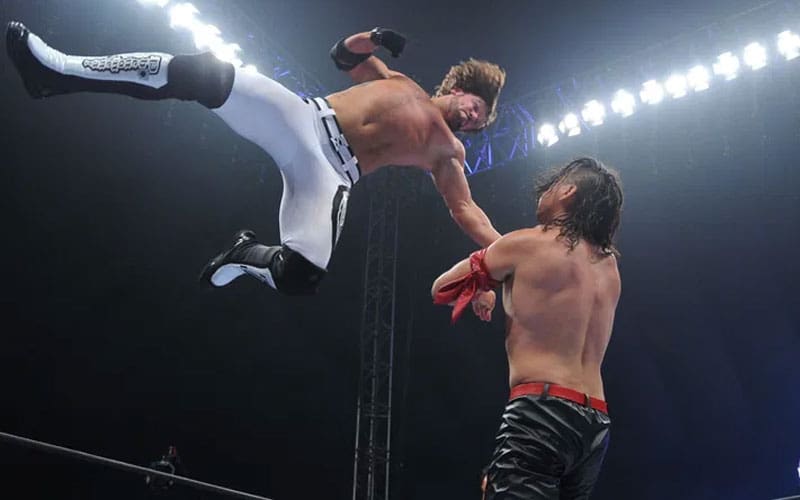
Compare the 2017 match dynamics to his later outings. In his Tokyo Dome encounter with Nakamura, Styles was operating under a different set of psychological constraints, constantly fearing injury would force him to miss the date entirely. He has noted that he approached that period of his career with distinct apprehension regarding his physical availability. These anxieties rarely surfaced in the WWE environment, where the structured production allows for a safer execution of high-risk sequences.
There is an inherent irony in selecting a non-wrestler for your best match. While purists rate the technical execution of his other bouts higher, Styles values the storytelling cohesion of the McMahon match. The production numbers support this focus; the engagement metrics during the McMahon segment remained steady throughout the full duration. It serves as a reminder that wrestling excellence is often measured by the ability to elevate a partner rather than strictly hitting move sequences.
The looming shadow of WrestleMania 41
With WrestleMania 41 approaching on April 19-20, 2026, the standards for match quality are shifting once more. Styles remains a primary figure in modern WWE, yet he continues to look backward for his career-defining moments. This reflects a transition in how veterans evaluate their own output in the twilight of their careers. They favor moments that felt like a complete narrative arc, even if they lack the technical flourish of his NJPW or independent circuit days.
Ultimately, the choice of the Shane McMahon encounter illustrates a preference for performance value over pure athleticism. Despite the skepticism of fans, Styles insists the match met his internal threshold for success. Whether one agrees with the assessment, the shift reveals that the 2017 opening match remains the moment where Styles felt he most effectively commanded a WWE stage. As he prepares for the upcoming cycle, his focus remains on capturing that same narrative control.
Read Next