The Big Picture: Blood and Business
The UFC has shifted from a fringe experiment into a global entertainment monolith. These ten moments did not merely build the record book; they fundamentally altered how the promotion operates as a commercial force.
1. The Rock declines the White House invite
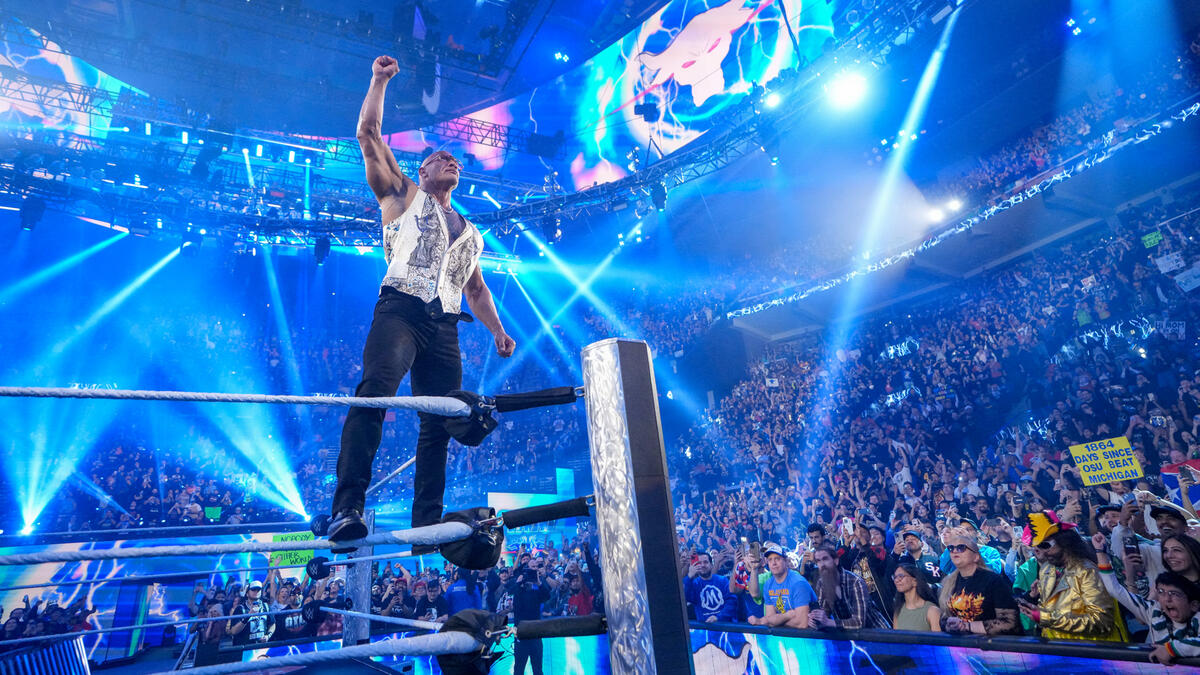
This rejection serves as a jarring reality check for the promotion's attempt to bridge sport and celebrity culture. While Dana White courted stars like Tom Brady and Jason Statham for the UFC Freedom 250 showcase at the White House, Dwayne Johnson’s absence is glaring, as BodySlam.net confirmed. It represents a rare instance where the UFC's reach simply failed to connect with its top external target. This moment proves that not every star is interested in the intersection of combat sports and political prestige.
2. UFC 1: Royce Gracie’s debut
Before the marketing, there was simply a tournament with no weight classes. Royce Gracie proved that Brazilian Jiu-Jitsu could dismantle larger, aggressive strikers with ease. This night established the blueprint for modern grappling dominance that persists today. Without Gracie’s early success, the tactical development of the sport would have stalled for an extra decade.
3. The sale to Zuffa in 2001
Lorenzo and Frank Fertitta bought the company for $2 million when it was essentially dying. Dana White took over as president and immediately pivoted the brand toward athletic regulation rather than spectacle. This transition turned a banned sport into a sanitized, profitable powerhouse. It is the most important executive decision in the history of the industry.
4. Forrest Griffin vs. Stephan Bonnar at TUF 1 Finale
The light heavyweight brawl that saved the company from bankruptcy. This fight aired on Spike TV and showcased raw aggression that casual viewers could not ignore. It was three rounds of pure desperation, ending in a decision that looked more like a war than a sport. Without this specific broadcast, the UFC likely would have ceased operations in the mid-2000s.
5. Conor McGregor beats Jose Aldo in 13 seconds
The absolute ceiling of UFC box office potential arrived at UFC 194. McGregor’s left hand flattened a long-standing champion in record time, proving his trash talk was backed by elite finishing power. This moment turned McGregor into the biggest crossover star in combat sports history. It remains the most commercially significant knockout ever recorded.
6. Georges St-Pierre retires as champion
GSP walked away from the cage on his own terms after the Hendricks fight. Seeing a champion exit the sport without suffering a lopsided loss was a shock to the system. It prioritized the athlete's longevity over the promotion's need for a marquee name. Many fans still argue he was the most complete mixed martial artist to ever compete inside the Octagon.
7. Anderson Silva’s front-kick knockout of Vitor Belfort
This finish at UFC 126 was the pinnacle of the Silva era. A teep kick landed flush on the chin, putting an end to a high-profile matchup instantly. It felt like watching a master painter show off a brushstroke no one else could conceive. It remains the most aesthetically perfect knockout the middleweight division has ever produced.
8. Jon Jones tests positive for Turanibol
The sport's greatest tragedy is its lack of consistent integrity at the elite level. Jones testing positive repeatedly cast a permanent shadow over his technical brilliance. It forced fans to question the validity of every dominant performance he displayed. This is a stain that no amount of cage skill can wash away.
9. Amanda Nunes retires the GOAT: Ronda Rousey
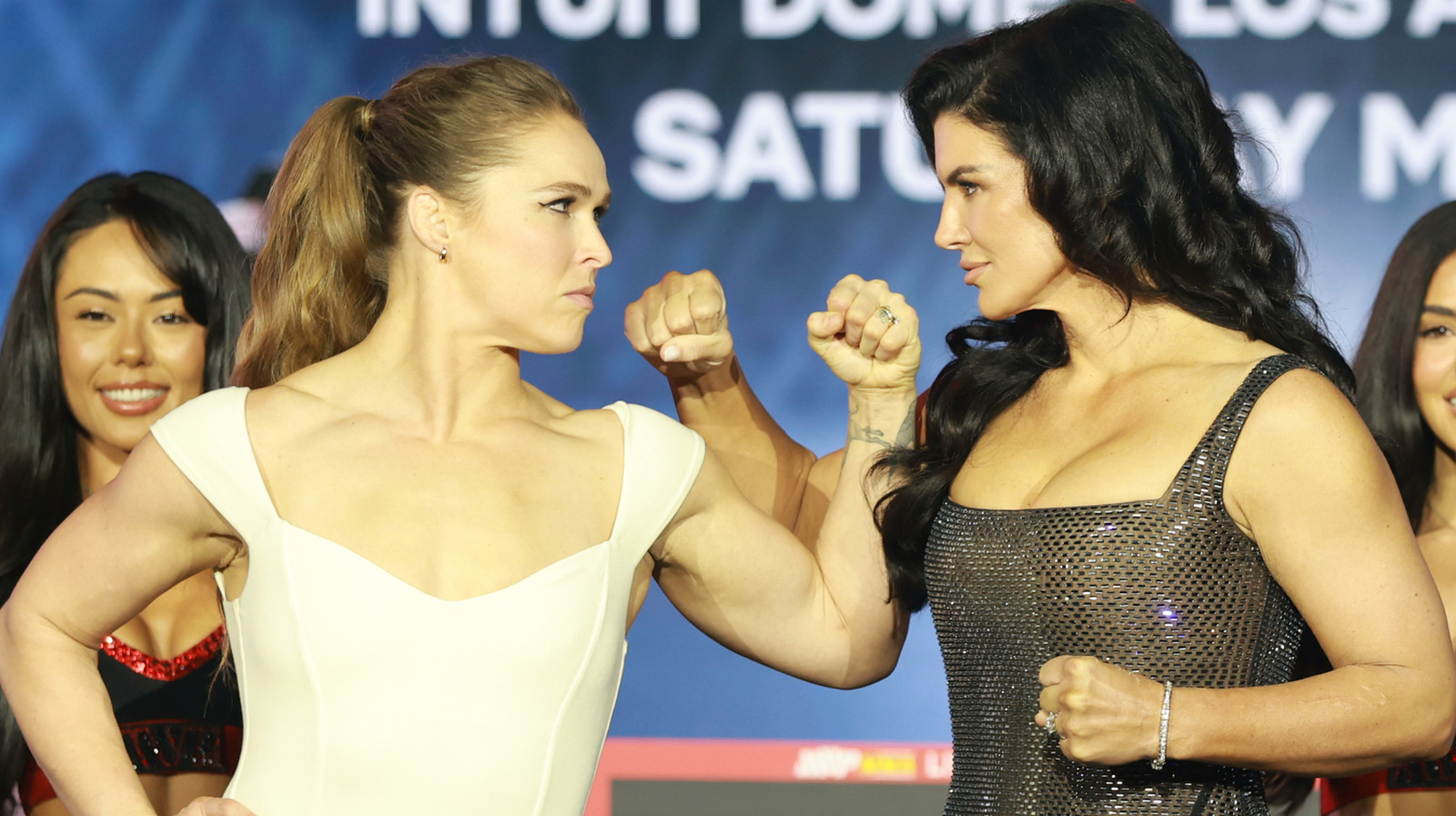
UFC 207 showed us that the business of a star can be dismantled by a superior technician in seconds. Nunes dismantled the hype of the most famous woman in the sport with clinical boxing. The promotion hated the outcome, but it proved the sport is still driven by skill, not marketing. It was a cold, hard dose of reality for brand-obsessed promoters.
10. The 2013 UFC-Fox transition
The deal with Fox signaled that the product was officially entering the major leagues of television sports. It brought increased scrutiny, better production values, and a larger audience. While it hurt smaller regional organizations, it cemented the UFC as the undisputed king of MMA. It was the shift from a cult brand to a broadcast staple.
Honorable Mentions
The creation of the UFC rankings remains a chaotic, non-transparent mess that does more harm than good for matchmaking. Meanwhile, the failed attempt to implement mandatory weigh-ins across all promotions shows the limits of UFC global influence. These smaller failures remind us that despite the money, the sport remains remarkably disorganized at its core level of operation.