The Big Picture
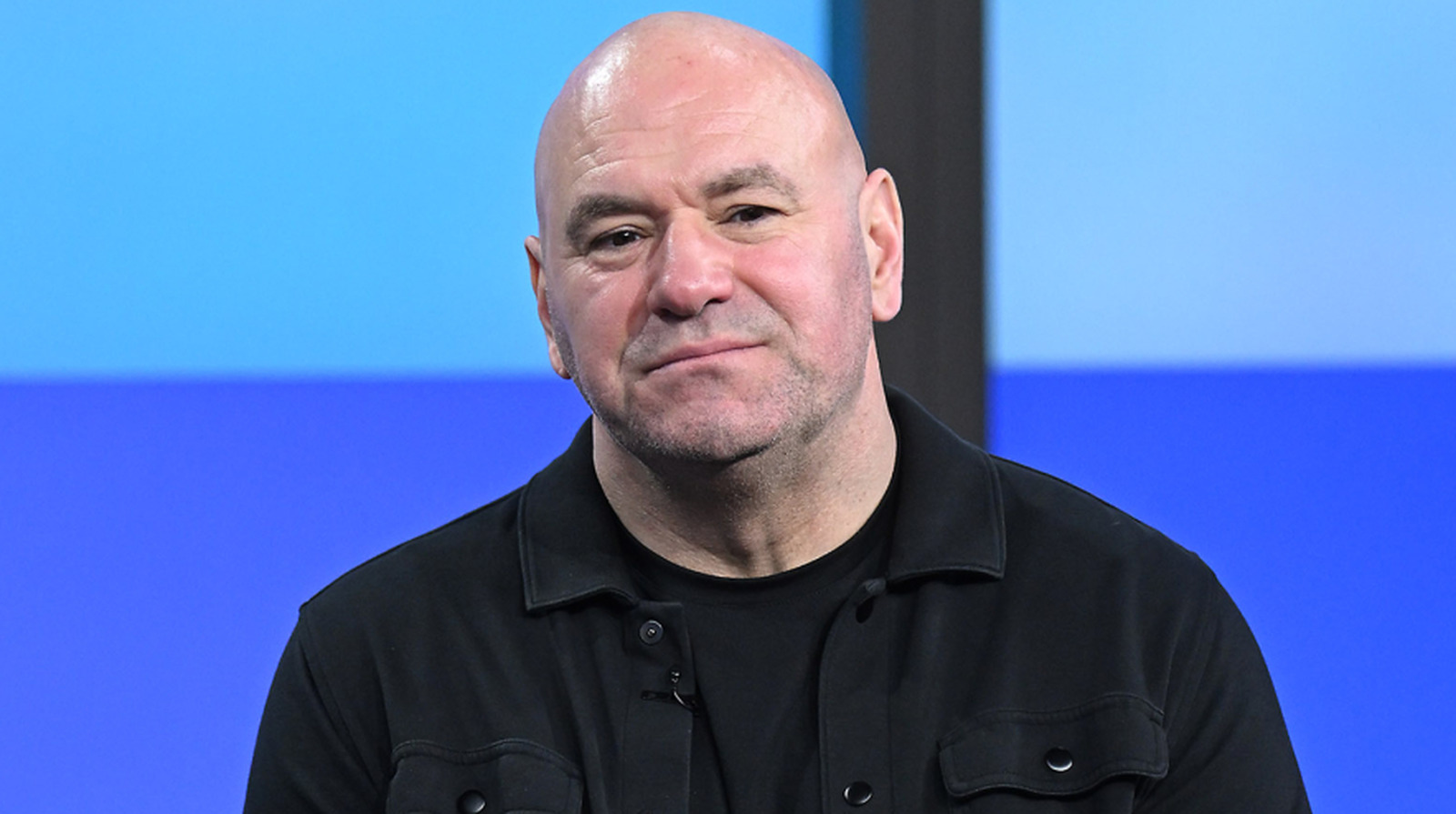
Dana White is the most polarizing figure in combat sports history. He runs the UFC with an iron fist, blending promotional genius with a scorched-earth policy toward his critics. As of May 2026, his influence has reached the literal halls of government, making this the perfect time to rank the moves that define his reign.
10. The Apex and the Pandemic Pivot
During the height of the global shutdown, Dana White built a bubble that saved the sport. While every other league was figuring out how to survive, he was scouting private islands and building the Apex facility in Las Vegas. This move wasn't just about logistical survival; it was about establishing the UFC as a 24/7 content machine that never stops. It ranks at ten only because it has become the standard operational procedure rather than a shocking display of power.
Critics argue the Apex era killed the organic atmosphere of live crowds for a long time. The sterility of a silent gym made some fights feel like high-level sparring sessions. However, the move proved that the UFC brand was bigger than any individual venue or city. It allowed White to control every variable of the broadcast, from the lighting to the proximity of the microphones. This was the beginning of his absolute control over the visual presentation of MMA.
9. The Scorched Earth Media Strategy
Dana White treats the press like a nuisance at best and an enemy at worst. He has banned high-profile reporters, mocked journalists for asking about fighter pay, and created his own in-house media machine. By doing this, he has successfully shielded the company from deep scrutiny. This strategy has forced the media to choose between access and investigative integrity. It sits at nine because it is a foundational tactic, but it lacks the specific punch of his more recent political plays.
This approach has a negative side that cannot be ignored. By freezing out critical voices, the sport often lacks the objective analysis it needs to grow beyond a niche audience. The UFC's self-produced content is often little more than a promotional brochure. When White dictates the narrative, fans only get the version of the truth that benefits the bottom line. It is a masterclass in manipulation, even if it feels dirty to those who value traditional journalism.
8. The Joshua vs. Fury Promotion Claim
In May 2026, Dana White dropped a bombshell by claiming he is promoting the Anthony Joshua vs. Tyson Fury superfight. As reported by Wrestling Inc, the boxing establishment immediately pushed back on this narrative. This is classic Dana: plant a flag in another sport's territory and dare them to move it. He wants the world to believe he is the only promoter capable of making the biggest fights happen.
This ranks at eight because it highlights his constant desire to conquer boxing, a sport he has criticized for years. The "boxing world says otherwise," which points to a potential bluff or a very aggressive negotiation tactic. It ranks above his media strategy because it shows a willingness to engage in high-stakes public warfare with rival promoters. Whether he actually holds the promotional rights or is just making noise, the headline alone shifted the conversation away from his competitors.
7. The Forced Birth of Power Slap
Nobody asked for it, but Dana White forced Power Slap into existence through sheer willpower. It is a polarizing product that many medical professionals find abhorrent due to the lack of defense. Yet, White continues to tout its social media metrics as proof of success. This ranks at seven because it represents his total refusal to listen to anyone's moral or safety concerns. If Dana thinks it's a sport, he will market it until the world agrees.
The league has faced significant backlash from state athletic commissions and long-time MMA fans. Many see it as a cheapening of the UFC brand, a sideshow that distracts from the skill of mixed martial arts. However, White sees a younger demographic that consumes 15-second clips of knockouts. He is betting on the future of short-form violence, even if it costs him his reputation among the purists. It is a move born of pure ego and market speculation.
6. The Perennial Fighter Pay Stagnation
The defining criticism of the White era is the split of revenue. While the UFC valuation nears billions, many fighters still compete for contracts that start at 12k/12k. Dana dismisses these concerns by pointing to "locker room bonuses" and the opportunity to become a star. This is a power move in the sense that he has successfully suppressed labor costs for two decades. It ranks at six because it is the bedrock of the company's profitability, even if it's the most morally questionable aspect of his tenure.
By keeping the fighters on a relatively short leash, White ensures that the brand remains the star. No individual athlete is ever allowed to become bigger than the three letters on the canvas. This creates a high-turnover rate and a constant stream of hungry, desperate talent. It is a brilliant business model for the shareholders, but a grim reality for the men and women who bleed in the Octagon. He has won the war against fighter unions before they even started.
5. The $1 Million Freedom Bonus
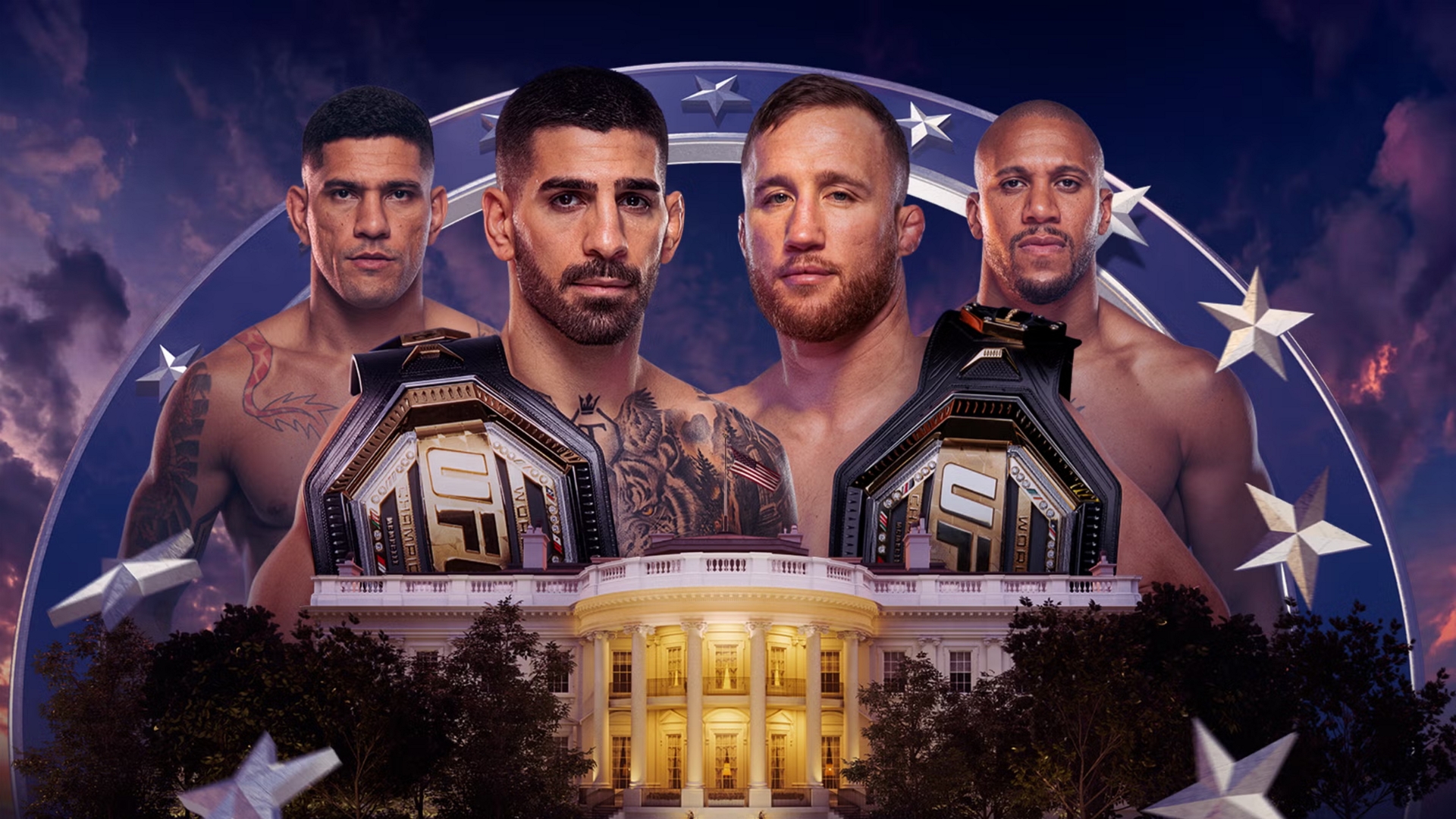
For the upcoming UFC Freedom 250, Dana White has upped the ante to a $1 million bonus system. This isn't just a pay bump; it's a massive statement of intent. As noted in the breakdown, this money is tied specifically to the White House card. It ranks at five because it buys him massive goodwill with the fighters on that specific night while distracting from the baseline pay structure.
This is a tactical redirection of funds. By offering a life-changing sum for a single performance, he creates a lottery-style excitement that masks the lack of health insurance or retirement plans. Fighters will kill themselves for a shot at that million, providing the kind of highlight-reel finishes that Dana craves. It ranks above the general pay debate because it is a specific, high-visibility move designed to dominate the news cycle. It makes him look generous while the underlying math remains largely unchanged.
4. The Oval Office Commemorative Belt
Winning a title is one thing, but Dana has confirmed a "special commemorative belt" for the Freedom 250 winners. This isn't a standard gold strap. It is the one recently seen in the Oval Office, adding a layer of state-sanctioned prestige to a cage fight. As Wrestling Inc confirmed, this is a one-off prize for a specific political moment. This ranks high because it merges sport and politics in a way no other promoter has managed.
The optics of a UFC belt sitting in the Oval Office are heavy. It signals to the world that the UFC is not just a sport, but a preferred partner of the American executive branch. This level of institutional support is something the NFL or NBA would kill for. It ranks at four because it elevates the stakes of Freedom 250 beyond the rankings. It’s about the symbolic ownership of a political aesthetic that Dana has carefully cultivated for years.
3. UFC Freedom 250 at the White House
Taking the Octagon to 1600 Pennsylvania Avenue is the ultimate flex. It represents the total mainstreaming of a sport once called human cockfighting. Dana has turned a fringe hobby into a sanctioned political event. This is a top-three move because it changes the perception of the UFC from a sports league to a national institution. It is the culmination of years of lobbying and strategic alignment.
While some fans find the political tie-in exhausting, there is no denying the magnitude of the accomplishment. Hosting a professional combat sports event at the White House is a feat of pure political maneuvering. It puts Dana White in a category of his own among sports executives. This isn't just a fight card; it is a coronation of the UFC as the definitive American sport of the 2020s. The logistical hurdles alone make it a legendary power play.
2. The 2022 Domestic Incident and Lack of Consequence
The most critical moment of his modern tenure was the 2022 incident where he was filmed slapping his wife. Despite the footage, he faced zero professional repercussions from Endeavor or the UFC board. When pressed on why he didn't step down, his answer was that his departure would only hurt the company. This ranks at number two because it proves his status is absolute.
This is a dark entry, but it is a necessary one for an honest ranking. It highlights a massive failure of corporate accountability that exists because Dana is perceived as irreplaceable. Any other CEO in a public-facing company would have been ousted within 24 hours of that video leaking. His survival of this scandal is the ultimate testament to his power over the UFC's parent company. He didn't just weather the storm; he ignored it until it went away.
1. The Monopolization of the MMA Narrative
Dana White's greatest move is making himself the face of the sport, eclipsing even his biggest stars. He has successfully convinced the world that UFC and MMA are synonymous. He has crushed or absorbed every competitor from Pride to Strikeforce, ensuring that no rival can ever gain a foothold. It sits at number one because everything else—the belts, the bonuses, the controversies—only works because he owns the cage.
When people think of mixed martial arts, they don't think of a specific fighter first; they think of the Octagon and the man who stands in the middle of it. This monopolization of the narrative is his greatest achievement and his most dangerous weapon. It allows him to make unilateral decisions that affect the lives of hundreds of athletes without any oversight. He is the judge, jury, and promoter. In the world he built, there is no alternative, and that is the ultimate power.
Honorable Mentions: The ESPN broadcast deal that guaranteed the UFC $300 million annually, the creation of The Ultimate Fighter, and the acquisition of Pride FC. These moves were the building blocks for the current era of dominance.