The Big Picture: Wrestling's Original Megastar
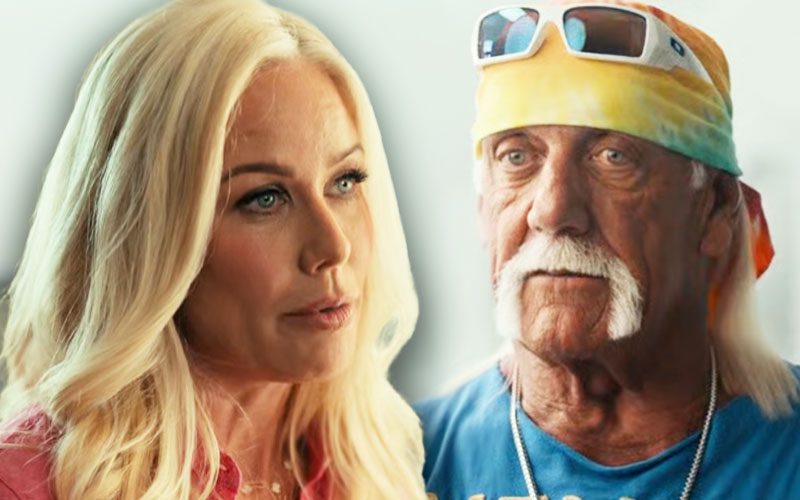
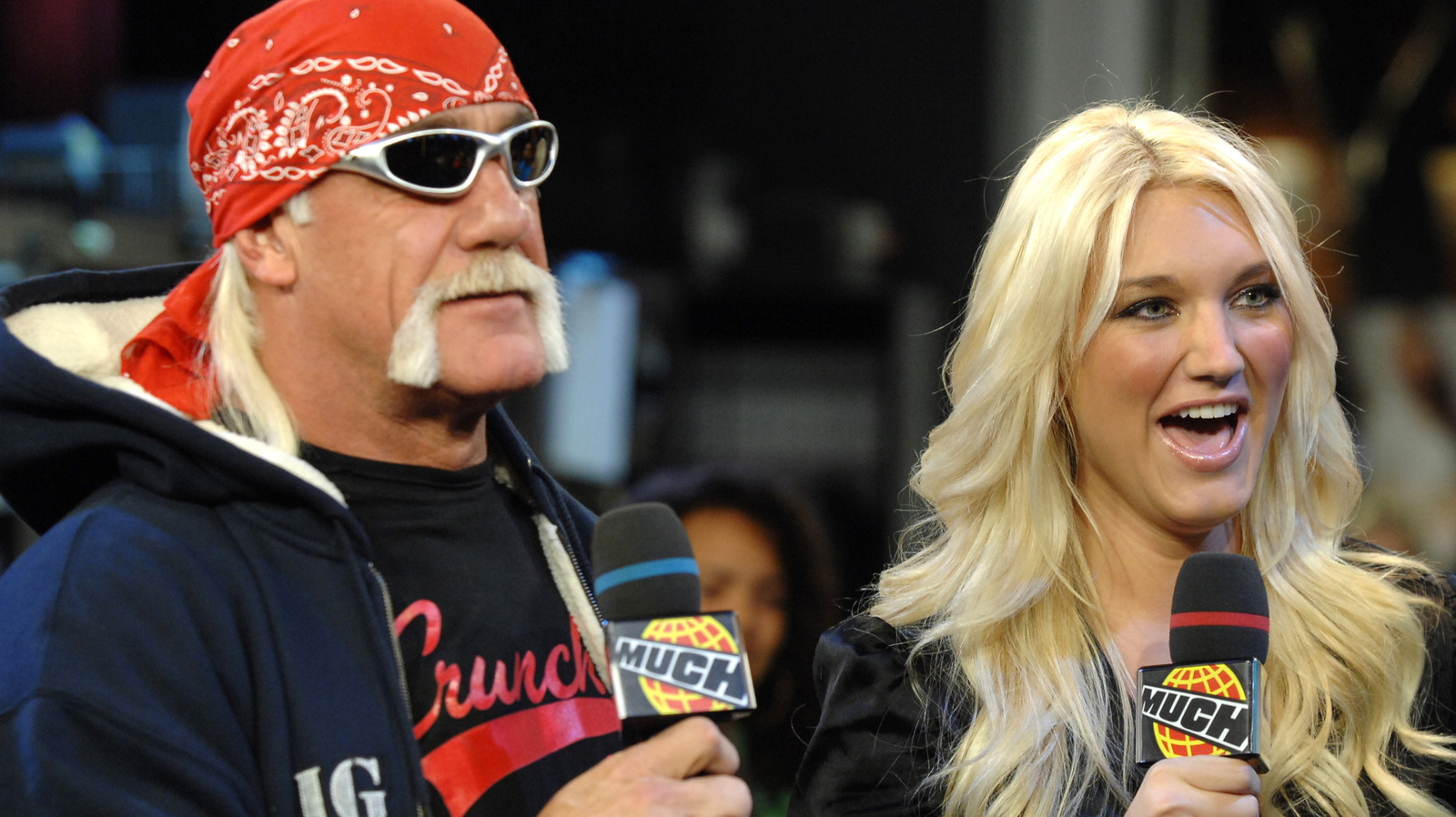
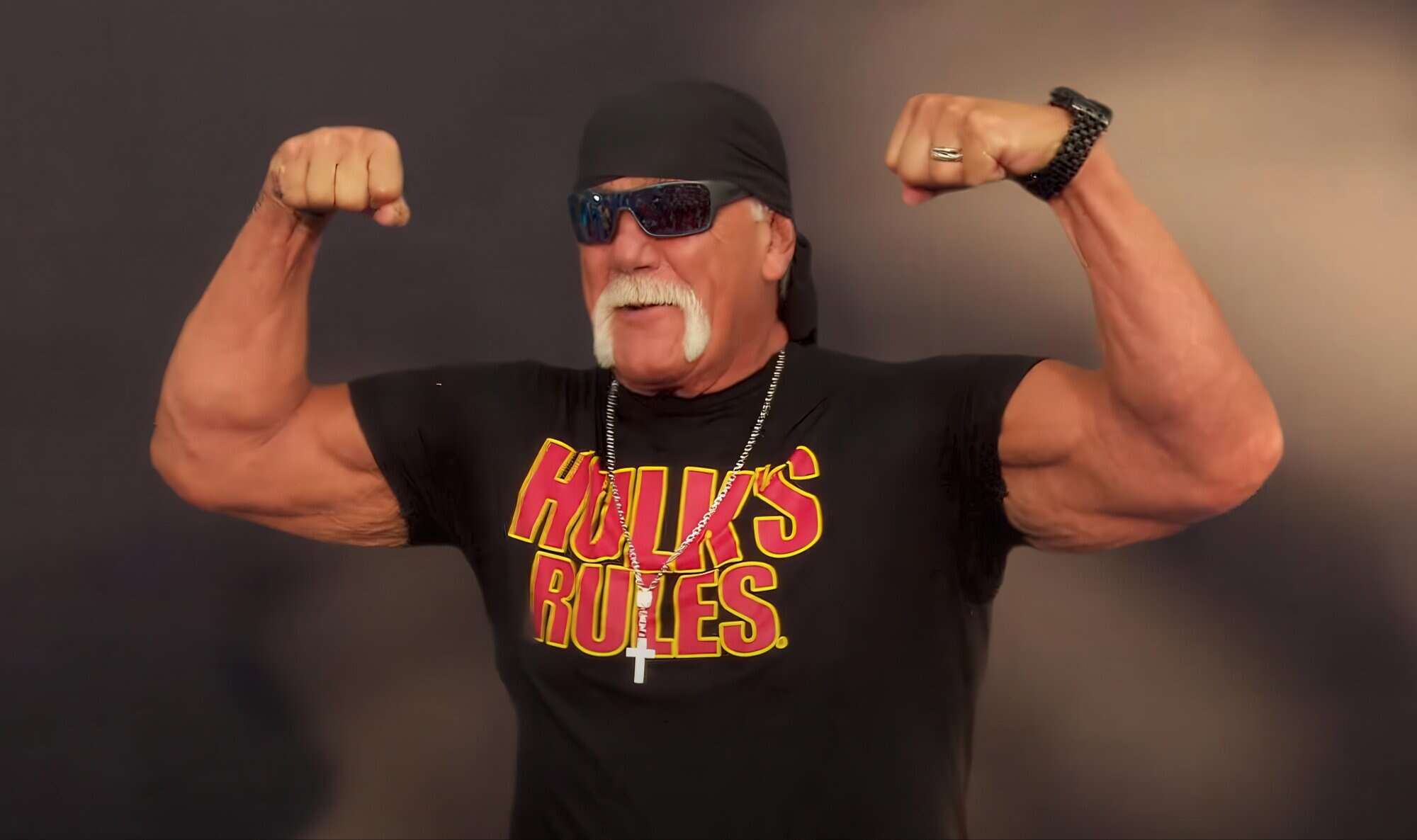
Hulk Hogan is the gravity well of professional wrestling. Whether he was saving the business in 1984 or fracturing its foundation throughout his various controversies, he remains the most significant figure in the industry’s history. With the upcoming Netflix series 'Real American' arriving this month, it is time to rank the moments and iterations that crafted the myth.
The Ranking: The Man and the Myth
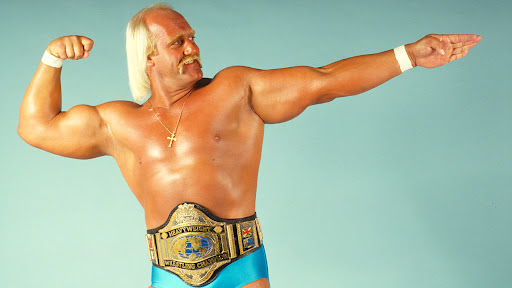
- The Iron Sheik Match (1984): Hogan defeating the Iron Sheik at Madison Square Garden provides the foundational pillar for the modern wrestling industry. It wasn't just a title change; it moved the belt from a transition worker to a national spokesperson. This win generated the momentum necessary for the launch of WrestleMania.
- The NWO Turn (1996): Walking down the ramp at Bash at the Beach to join Scott Hall and Kevin Nash represents the greatest heel turn in history. It destroyed the babyface purity of the eighties and reinvented his own stale character overnight. Ratings climbed as fans struggled to reconcile their childhood icon with his new, darker agenda.
- WrestleMania III vs. Andre the Giant: This match redefined the professional wrestling gate and the concept of a main event. The visual of the body slam in front of 93,173 fans remains the defining snapshot of the eighties. It cemented Hogan as a cultural phenomenon that extended far beyond the confines of a wrestling ring.
- The ‘Real American’ Identity: The transition to the red and yellow aesthetic and the entrance theme provided a perfect vessel for the Reagan-era zeitgeist. This persona allowed him to transcend wrestling and become a legitimate household name. Every successful face that followed has tried to replicate the simplicity of this branding.
- The 1989 WrestleMania V Victory: Hogan beating Randy Savage kept the top spot occupied by the golden goose, even if it effectively halted Savage’s peak as a solo champion. It remains a controversial booking decision that sparked long-term internal tension. Watching this match today reveals just how much he controlled the presentation of the main event product.
- The Gawker Trial: This is the moment where Terry Bollea arguably eclipsed Hulk Hogan in media coverage. It was a bizarre, heavy-handed legal affair that forced the public to confront the man behind the persona. The financial damage and the exposure of his private conversations tarnished the legacy significantly.
- The Return to WWE (2002): When he walked back into the arena at No Way Out, the crowd response was electric enough to dwarf the younger talent on the roster. It served as a reminder that nostalgia acts pay better than new stars. Even as he aged, he demonstrated that his presence still commanded a premium.
- The Match with The Rock (2002): This bout at WrestleMania X8 proved that legacy alone can carry a show. While he was physically past his prime, his ability to manipulate the crowd in Toronto turned the audience against The Rock. It showcased a masterclass in psychology that modern performers rarely achieve.
- The WCW Title Reign (1994): His move to WCW validated the brand in the eyes of the general public. While he brought eyeballs to the company, his creative control often stifled the potential of younger wrestlers. The ratings gain was undeniable, but the long-term impact on WCW’s depth remained a point of debate.
- Final Interview (2026): As advertised in the trailer for the new Netflix docuseries, he is finally addressing the totality of his history. This appearance marks the official bookend to a career that spanned four decades of chaos. Whether this series provides clarity or further obfuscation is the question of the month.
Critique and Honorable Mentions
Hogan’s primary flaw was a sustained inability to put over the next generation without a fight. His track record of protecting his own spot often stalled the growth of talent like Bret Hart or Randy Savage. He consistently leveraged his position to ensure he remained the focal point, to the detriment of long-term roster development. As recent reporting suggests, this struggle between the man and the character is central to his narrative. Honorable mentions go to his time as Mr. America and his brief run in the AWA, both of which serve as footnotes to a much louder career. It is impossible to ignore the 40 years influence he has exerted over the business and the impending coverage that continues to feed his ego and his bottom line.