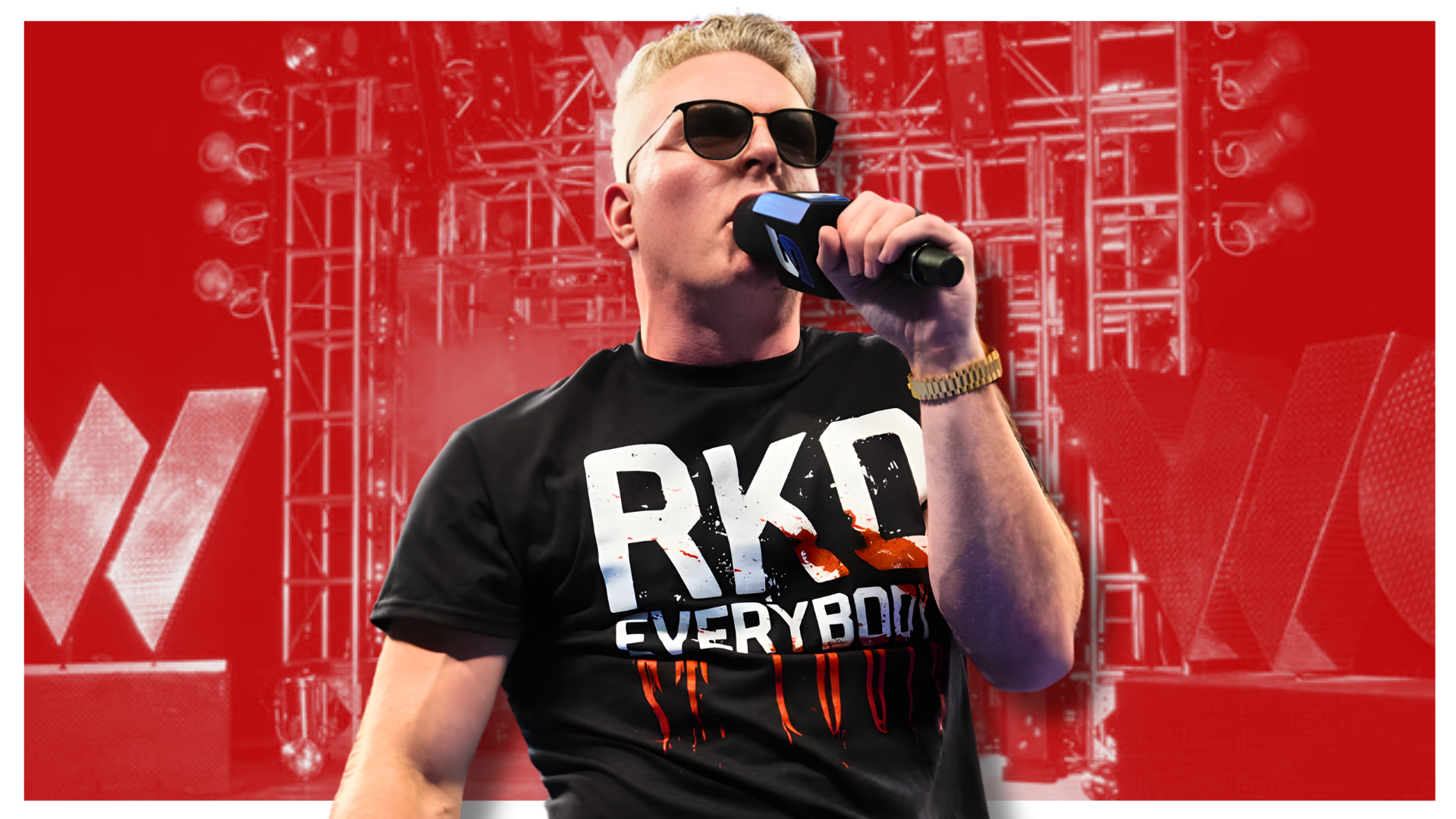
The shifting ground for Pat McAfee
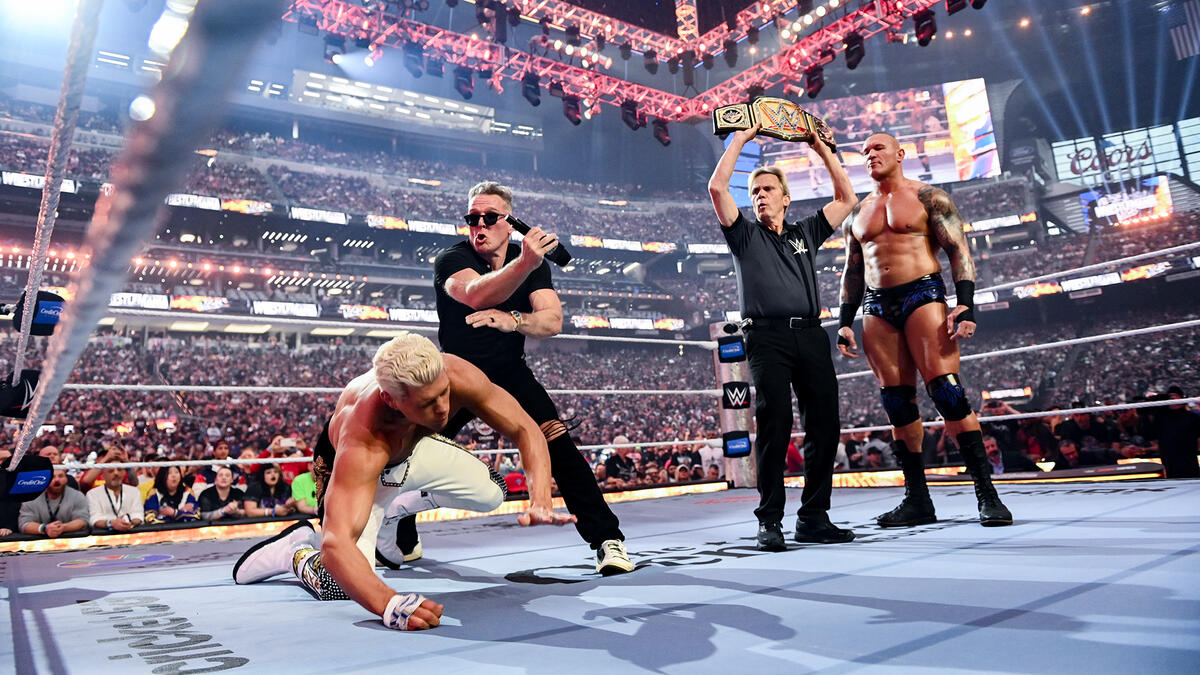
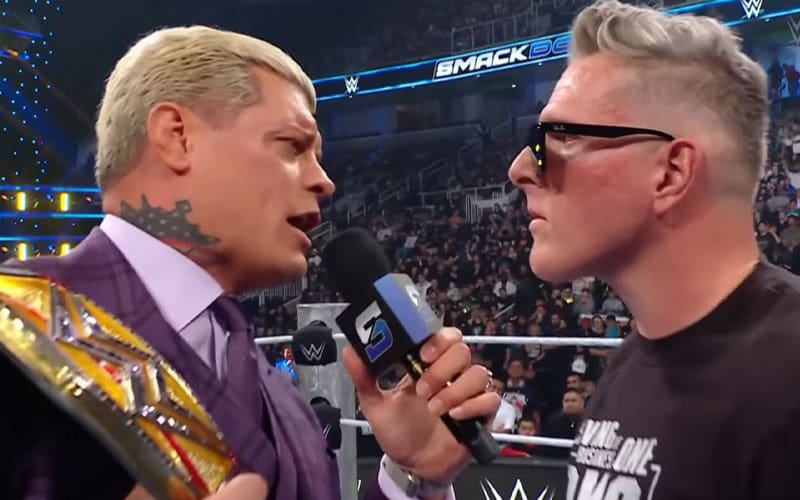
Pat McAfee is currently navigating a high-stakes pivot in his professional career. While he remains a fixture on WWE programming, specifically within the current Randy Orton and Cody Rhodes arc, his long-term tenure in the ring is secondary to shifting media rights. Recent reports confirm that TKO brass, led by Ari Emanuel, are looking at internal alignments that tether McAfee’s media brand more closely to the upcoming Netflix distribution deal.
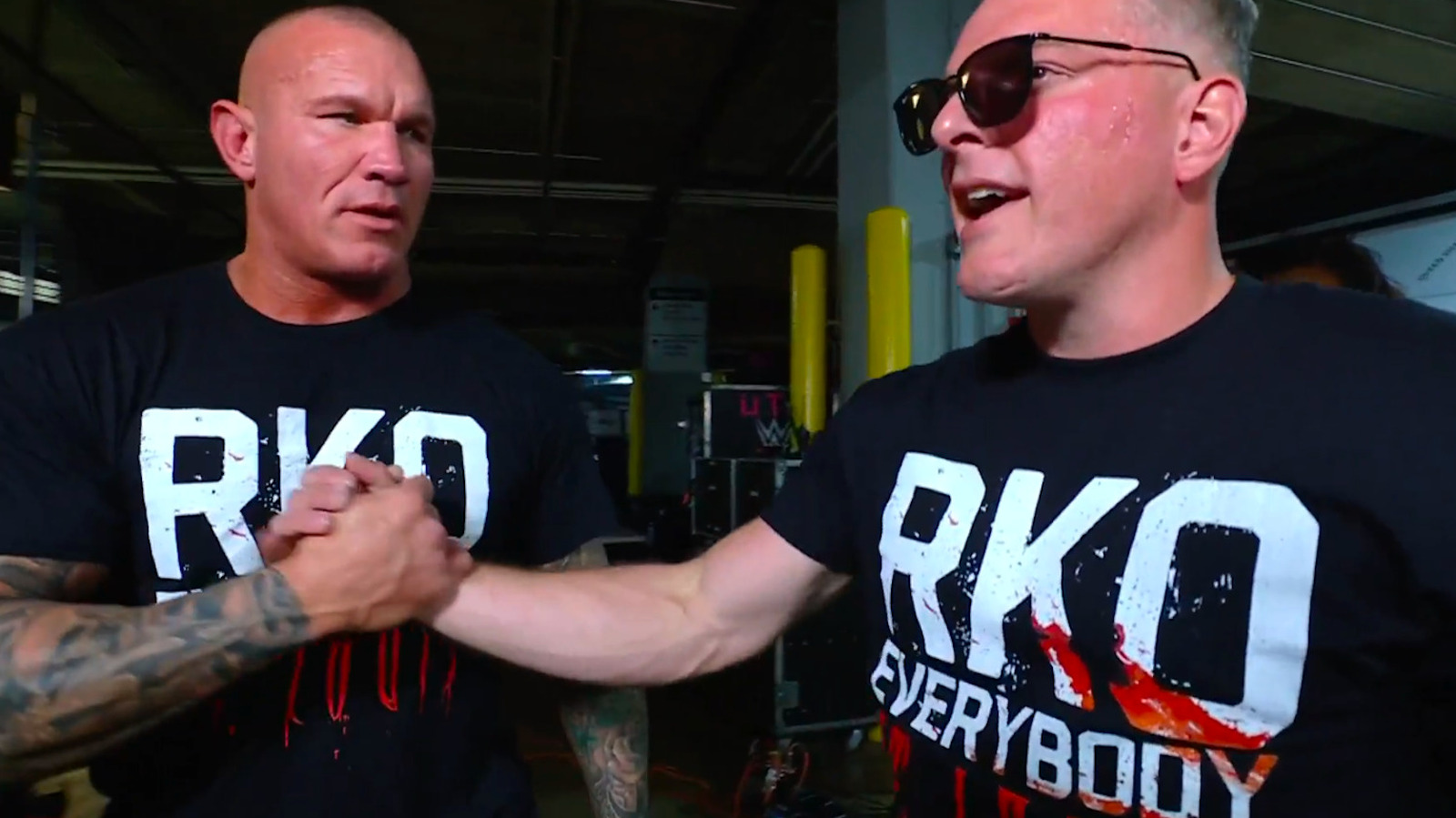
McAfee’s current alliance with Randy Orton has served as a creative bridge, keeping him relevant during the road to WrestleMania 41. He recently remarked, "we got some things cooking," which is characteristic of his approach to non-wrestler utility roles. However, the move is less about physical performance and more about content ecosystem integration. WWE needs talent that bridges the gap between traditional wrestling viewers and the broader streaming audience Netflix hopes to capture in 2026.
Creative limitations and the Netflix factor
From a product standpoint, the McAfee-Orton pairing is a questionable tactical decision. Randy Orton generally functions best as a focused, singular force. By adding a media personality into his orbit, the creative team risks diluting the menace Orton established during his recent rivalry stretches. It is a classic case of WWE prioritising mainstream attention over narrative purity. If the goal is a spectacle for Netflix, this works; if the goal is a compelling in-ring program, it falls flat.
McAfee’s involvement in the current creative isn't accidental, but it wasn't guaranteed either. After briefly resisting certain production roles, reports indicate a deal was struck only after significant negotiations. Note: any speculation regarding future WrestleMania cycles beyond 2026 should be discarded, as those events aren't established, but the immediate intent is clear: bridge the Netflix audience gap immediately.
The infrastructure of a media-first signing
The synergy between Netflix as a front-runner for his media rights and his WWE appearances creates a conflict of interest in terms of time management. Can an athlete-personality effectively hype a PPV like Backlash while balancing exclusive streaming commitments? Skeptics argue this spreads the talent too thin, leading to half-baked segments where McAfee appears only to recycle catchphrases for social media clips.
The data suggests that the WWE audience remains divided on his presence. While he drew significant engagement during his initial WWE run, the current creative direction feels like a maintenance loop. He isn't working matches. He is working an angle. Excluding a surprise flare-up at WrestleMania 41 on April 19-20, he is effectively a glorified hype man for the brand's transition to a streaming-dominant model.
Probability and outlook
The deal between Netflix and McAfee’s media empire feels like a 90% certainty for late 2026. However, his long-term future within the ropes is far more volatile. If the Netflix audience demands more authentic, focused programming, the "celebrity host" angle will have to be retired. The current creative is a stop-gap until the platform switch hits full stride in the second half of the year.
Expectation for the impact: if this goes through, McAfee transitions permanently into a corporate-creative hybrid role. He will likely step away from meaningful physical angles to focus on lead-in segments for Netflix-exclusive content. WWE gains the reach, but fans of pure wrestling lose a slot on the card for a personality that is increasingly indistinguishable from a marketing asset.