Measuring the heartbeat of the ring
The current state of professional wrestling feels more erratic than a standard quarter-to-quarter earnings call. Promotion heads are balancing major international dates while juggling the personal lives of their biggest stars, often with mixed results.
We are analyzing the moments that defined the first half of 2026. This list ranks based on star power, narrative impact, and whether the payoff actually met the hype.
The Ranking
The rise of the mid-card surge. This trend pushed talents like Chad Gable and Sami Zayn into legitimate main event slots through consistent 20-minute clinic performances. It changed the booking hierarchy by proving that work rate moves merchandise more than slow-burn cinematic segments.
The pivot to international PLE venues. By taking major shows to arenas in France and potentially Scotland, the industry expanded its footprint while alienating domestic travelers. It remains a business risk that favors cable rights over gate receipts.
The return of the tag team resurgence. We finally saw a focus on actual wrestling combinations rather than two singles stars fighting for titles. The inclusion of multi-team ladder matches provided a necessary jolt of adrenaline to the tag divisions.
The surprising success of experimental match types. While fans usually hate gimmicks, the updated versions of the Iron Man format kept viewership steady through entire segments. It challenged the standard format by counting actual falls rather than just time elapsed.
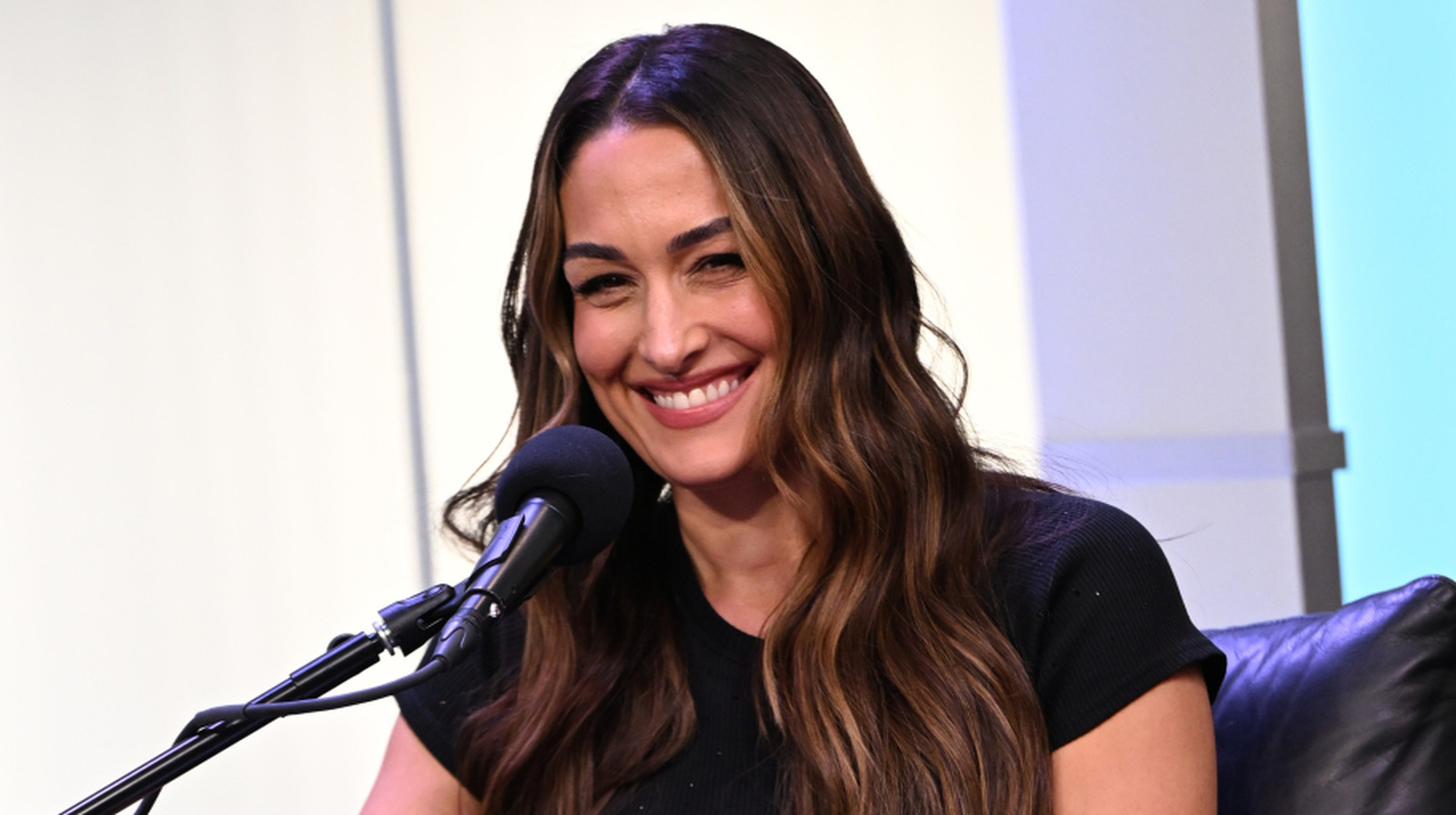
The ongoing struggle with talent scheduling. As noted by recent reporting on Nikki Bella, stars are prioritizing family milestones over scheduled PLE appearances. It creates a booking nightmare that makes the product feel disjointed to casual viewers.
The refinement of the hybrid-style championship run. Champions are defending titles in non-title matches to sharpen their characters, a tactical shift from the old blueprint. This keeps the belt warm without needing a title change every thirty days.
The commentary desk evolution. We saw a shift from storytelling to analytical play-by-play, which helps the viewer understand the kinetic chains of a hold. It feels less like a variety show and more like a competitive sporting event.
The integration of high-stakes open challenges. These matches serve as a thermometer for crowd interest, allowing management to test new faces against established talent. The 30-minute limit on these bouts ensures the energy never drops.
The tactical misuse of legends in authority roles. Putting veterans in GM slots usually stunts the growth of the roster because they demand too much television time. It is a cynical booking tactic that rarely pays off in the long run.
The decline of pre-taped squash matches. They are essentially dead weight in a three-hour broadcast format that demands constant engagement. Fans now demand high-octane openers rather than transition filler.
The Big Picture
Professional wrestling in 2026 is caught between its history and its need for global expansion. When promoters force stars to juggle school graduations and overseas events, the narrative momentum inevitably stalls.
The successful shows this year avoided vanity booking in favor of pure athletic output. The failures relied on nostalgia instead of building the next generational star.
Honorable Mentions
The technical improvements in ring lighting for better mobile viewing quality, and the decision to move PLE start times to avoid clashing with major sporting events. Both are small wins that improve the fan experience without needing a headline match to sell the show.