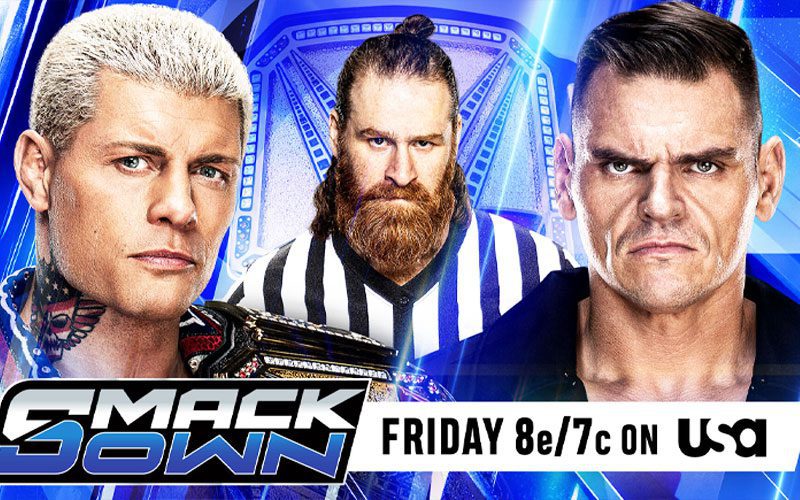
The State of the Ring: A Season in Flux
The first half of 2026 has been marked by chaotic scheduling shifts and a series of promotional controversies that threaten to overshadow in-ring work. Fans are seeing thinner rosters and more behind-the-scenes drama than technical masterclasses.
The Top 10 List
10. The Rings of Europe Scandal. Diana Strong took to social media to call out the promotion for allegedly altering a backstage photograph. The move highlights the disturbing lack of consent regarding locker room privacy. It ranks here because it reveals how promotions are failing to protect talent image rights.
9. The Mid-Atlantic Title Vacancy. Management failed to secure a backup for the scheduled defense in Charlotte. The tournament to fill the bracket was disorganized and lacked stakes. Fans deserve better than an empty strap for six consecutive weeks.
8. The Seattle Cage Match. Two indie veterans tore the roof down in a 30-minute iron man match. The finish ended in a 2-2 draw, leaving the championship held up. It lands here because the pacing was flawless, even if the result frustrated the crowd.
7. The London Pay-Per-View Revenue Spike. Ticket sales crashed the server for two hours in March. While the sellout was impressive, the technical failure proved the company’s Rings of Europe-tier technical management needs an overhaul. Reliable access is not a luxury.
6. The Iron Gate Return. After a two-year hiatus, the former masked tag-team champions returned at the May event. The pop they received proved nostalgia still moves tickets. They immediately put over a younger team, signaling a shift in veteran hierarchy.
5. The Cruiserweight Showcase Final. This match peaked with a 450-splash that barely connected. It was sloppy, yet the effort from both men kept the crowd engaged until the final bell. The lack of clean execution prevents this from cracking the top three.
4. The Promotion-Wide Budget Cuts. In April, several regional leagues slashed 20% of their creative teams. Journalists noted the move was purely reactionary to dwindling cable viewership. It remains the most consequential business decision of the year.
3. The Tokyo Dome Upset. An unknown debutant pinned the heavyweight champion in 4 minutes. The pacing of the match caught everyone off guard, establishing the newcomer as a credible threat instantly. This rank reflects the audacity of the booking.
2. The Chicago Brawl. Following an unsanctioned interference, the entire locker room spilled into the concourse. Security struggled to maintain order for nearly ten minutes. It was messy, illogical, and exactly the kind of chaos that keeps the business alive.
1. The Champion’s Retirement Announcement. The industry leader hung up his boots following a 15-year career. He didn't lose his final match; he walked away on top. Critics argue his timing was too early, but walking away while physically sound saved him from the grim fate of his peers.
Looking Ahead: The Bottom Line
The industry is currently in a state of rapid recalibration. Promotions that rely on talent goodwill should look at how Diana Strong handled the Rings of Europe situation as a warning shot. When management loses trust, the ticket flow follows. The constant churn of mid-card talent remains a glaring weakness for the larger brands. They are burning through years of development in weeks. Audiences are hungry for long-term storytelling, not just one-off viral moments or social media apologies. The rest of the year depends on structural stability rather than frantic booking choices designed to save quarterly margins.
Honorable Mentions
The surprise return of the Heavyweight Title belt design in June barely missed the cut. Also, the controversial count-out in the Vegas main event displayed a lack of referee cooperation that left fans livid. Lastly, the impromptu challenge in Orlando kept the local scene relevant during a slow period.