The Check-In: Mid-Year Reset
The first six months of 2026 have been defined by market volatility and erratic booking choices. WWE remains the titan, but the cracks are starting to show as internal pressure builds ahead of their Riyadh return.
The Ranking
10. Layla El’s Honest Admission
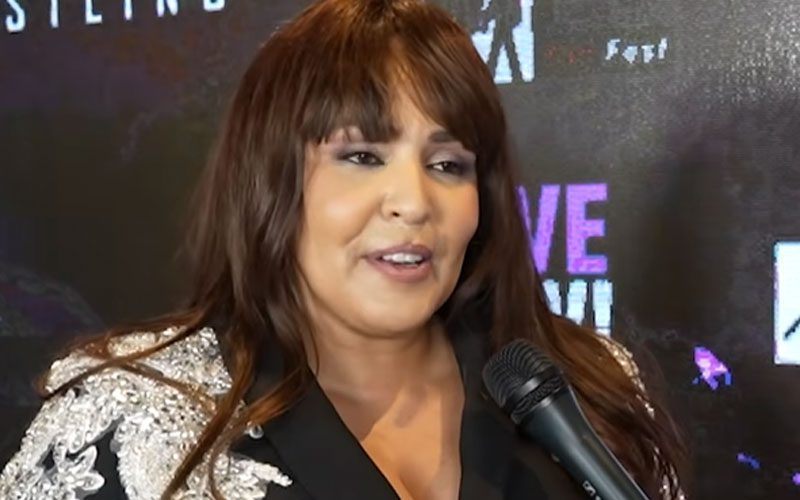
Layla El recently went on record stating she does not tune into WWE programming every single week. It is a moment of brutal honesty that highlights the disconnect some legends have with the modern grind. While she stays connected to company history, the admission underscores a recurring issue of fan engagement. Even former stars struggle to maintain footing in a product that cycles through talent at breakneck speeds.
9. The SmackDown Ratings Slide
The June 12 edition of SmackDown saw a concerning dip in viewership, signaling that the current creative direction is missing the mark for prime-time audiences. Management is under mounting pressure to stabilize the ship before the upcoming trip to Saudi Arabia. This is a business failure that threatens future international investment if the numbers do not trend upward. Without cable stability on the USA Network, the show is effectively drifting.
8. The Saudi Pressures Mounting
WWE heads into the Night of Champions event on June 27 with an audience that demands high-caliber output. Sources suggest that internal concern is rising alongside the external demands of the Riyadh host committees. The booking team has to deliver a spectacle that justifies the massive capital poured into these shows. If this event underwhelms like recent episodes on television, the financial narrative will turn south quickly.
7. Experimental Booking Shifts
We have seen a pivot toward more frequent cross-promotional appearances that often feel like desperate attempts to chase trends. While these maneuvers generate short-term noise, they lack the long-term storytelling depth seen in previous eras. The reliance on surprise cameos instead of building organic feuds hurts the overall product consistency. It remains a messy approach that leaves viewers confused about the long-term stakes.
6. The Mid-Card Vacuity
Multiple secondary titles have been treated as afterthoughts in favor of high-profile main event segments. This creates a graveyard of talent who lack meaningful direction for weeks at a time. The lack of a clear challenge structure means that wins and losses feel hollow for the audience. We need to see more focus on character progression rather than just rotating bodies for the sake of television filler.
5. The Aging Guard vs. New Blood
The balance of power remains tilted toward veterans who are past their prime, blocking the rise of younger talent. When companies refuse to pull the trigger on younger stars, they sacrifice the future for a comfortable present. This creates a ceiling for the entire roster that eventually leads to audience attrition. Management should look at the 15 percent drop in growth among the youth demographic as a warning sign.
4. Production Values or Distractions?
Recent changes to the visual presentation have prioritized flash over the actual in-ring action. Hyper-kinetic camera cuts and excessive pyro usage often obscure the technical storytelling that should be the priority. It is rare to see a match breathe without an unnecessary interruption from a production choice. These cosmetic changes do little to mask poor narrative pacing.
3. The Lack of Stakes
We recently saw a major title match conclude with a disjointed ending that lacked adequate payoff. When the result does not impact the weekly trajectory, fans stop paying attention entirely. The storytelling has become cyclical, with feuds resetting every three weeks without a clear climax. It feels less like a competition and more like a series of unrelated skits.
2. The Talent Utilization Gap
The current roster features world-class athletes, but their skills are consistently wasted in opening segments designed to fill time. Matches that should be the centerpieces of episodes are relegated to short intervals to fit commercial breaks. This is a misuse of human capital that could build new stars if allowed the space to develop. Fans can sense when an athlete is constrained by a sub-optimal time slot.
1. The Pulse of the Product
The overarching story of the year is simple: the disconnect described by Layla El is not an outlier. It is a symptom of a larger problem where the product no longer resonates as a weekly appointment. WWE is fighting for relevance against a modern audience that has no patience for filler or stagnant storytelling. Unless the creative vision shifts toward actual progression, the 2026 calendar will be remembered as the year of lost momentum.