The Big Picture: High Stakes and Heavy Criticisms
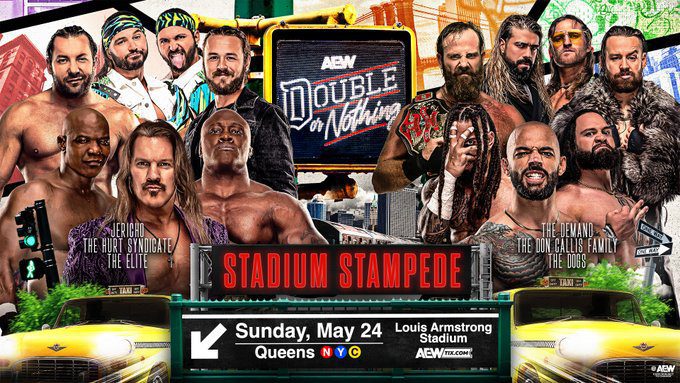
Double or Nothing remains the barometer for the AEW calendar. The 2026 edition delivered high-octane physicality but stumbled into logistical chaos that left fans questioning the brand’s production reliability.
The Ranking
10. The Opening Bell Pyro. The sheer volume of pyrotechnics used to kick off the main card set an immediate tone for the night. It remains the company’s clearest signal that they are aiming squarely at prime-time combat sports aesthetics.
9. The Tag Team Gauntlet. Four teams cycled through 20 minutes of nonstop action until the final fall. The pacing barely allowed for a breath, creating a frantic flow that kept energy levels high despite an early-card slot.
8. The Surprise Return. A veteran performer appeared in the mid-card to silence a crowd that had grown restless. The pop was loud but felt disconnected from the ongoing narratives, suggesting a lack of long-term planning for the return.
7. The Women’s Title Defense. A stiff technical display featured near-falls that drew genuine gasps from the ringside audience. While the wrestling quality was high, the finish felt abrupt, lacking a final polish to make it truly memorable.
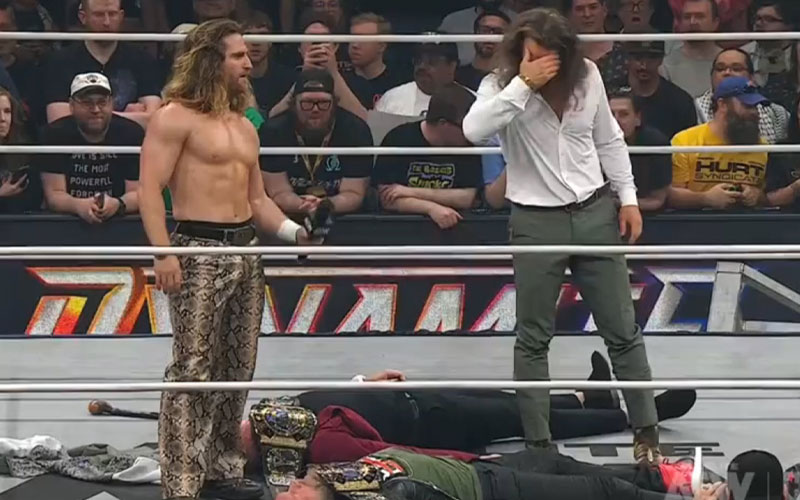
6. The Mid-Match Brawl. Security interventions usually kill momentum, but this chaotic sequence actually elevated the stakes. It set up a clear path for the upcoming pay-per-view, providing the narrative gravity the undercard lacked.
5. The Cruiserweight Showcase. High-speed maneuvers, including a 450-splash that landed at 14 minutes, proved why this division is the company’s biggest asset. They outclassed the main event in pure work rate, justifying their higher placement on the card.
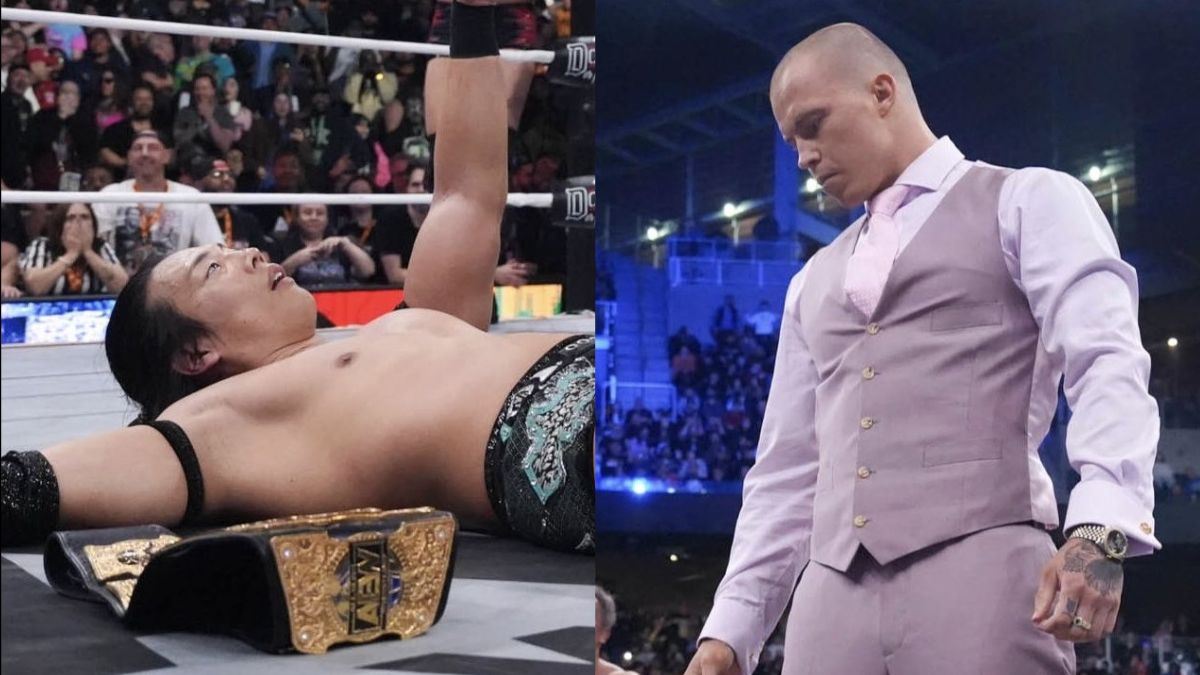
4. The Post-Match Standoff. The champion stood center ring to invite the next challenger. It was a classic booking decision that successfully hooked the crowd for the next chapter of the rivalry.
3. The Technical Masterclass. Two heavyweights engaged in a 30-minute iron man variant. It was a slow burn, but the eventual submission victory showed effective storytelling over simple highlight-reel spots.
2. The Production Failures. As Ringside News reported, the night was marred by a serious ADA seating incident. A fan was displaced by production equipment, casting a shadow over the show’s legacy and highlighting a failure in logistical management.
1. The Main Event Finish. The climax featured a rare pinfall victory achieved in the 32nd minute. It was a decisive ending that subverted the usual interference tropes, rewarding the fans who stayed for the $69.99 price point of the broadcast.
The Final Verdict
The show proved that AEW can still deliver premium technical wrestling. However, the logistical failures cited by Ringside News are impossible to ignore. A wrestling company’s success relies on the fan experience as much as the content inside the ropes. When you lose the trust of the live crowd, the match quality becomes secondary. The booking was strong, but the optics were damaging.
Honorable Mentions
- The backstage interview that set up a title change.
- The unexpected usage of foreign objects in the hardcore opening bout.
- The crowd interaction during the kickoff show which saved a lackluster first thirty minutes.
Read Next
- Mick Foley’s AEW arrival is more than just a nostalgic cameo
- The New York Athletic Commission is killing the vibe at Double or Nothing
- Matt Hardy’s quest for a final tag team showdown vs Copeland and Cage
- Top 10: AEW Double or Nothing 2026 Defining Moments
- 🎲 AEW Double or Nothing 2026 — Full Coverage Hub