The bureaucracy behind the barricade
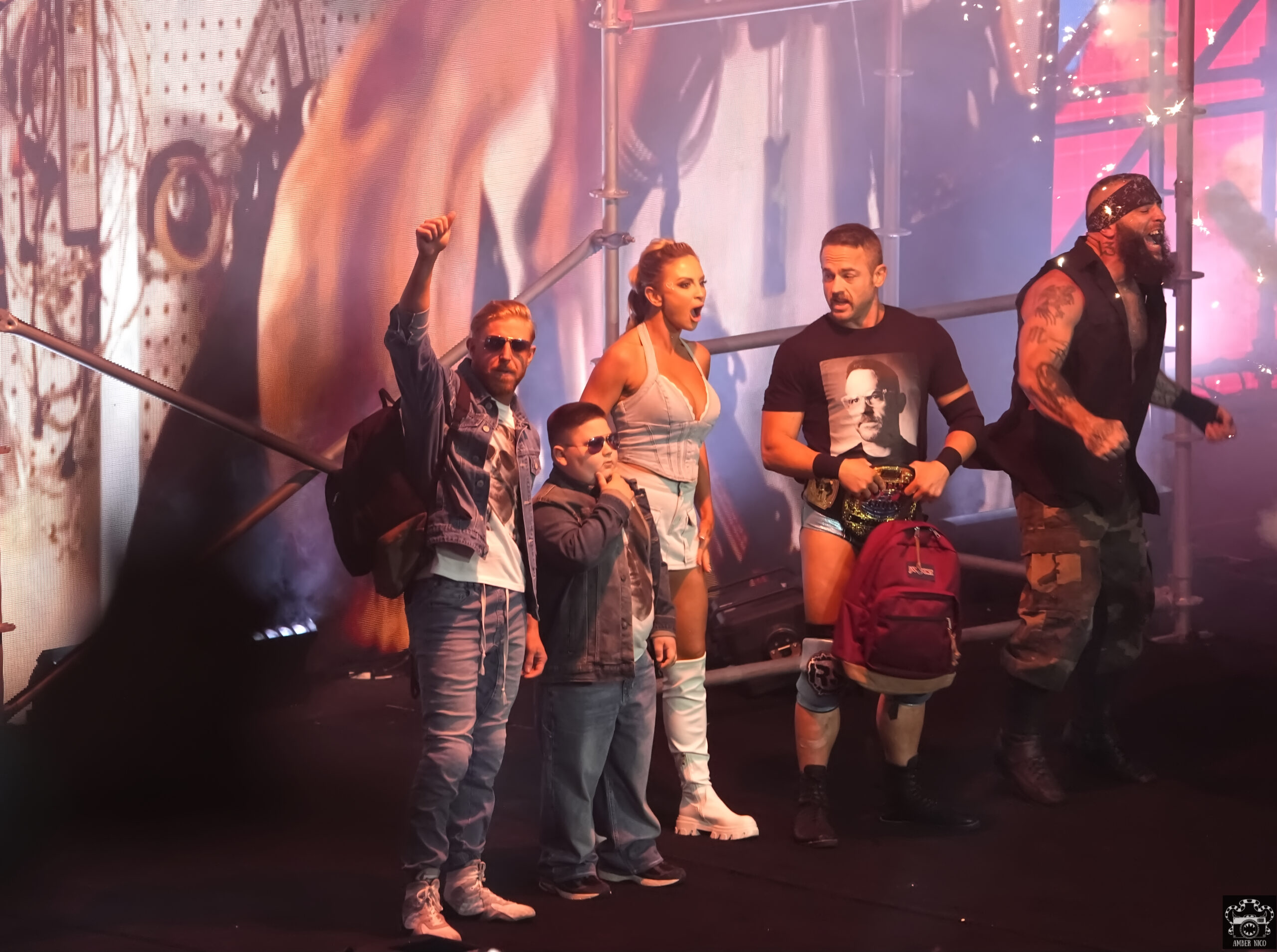
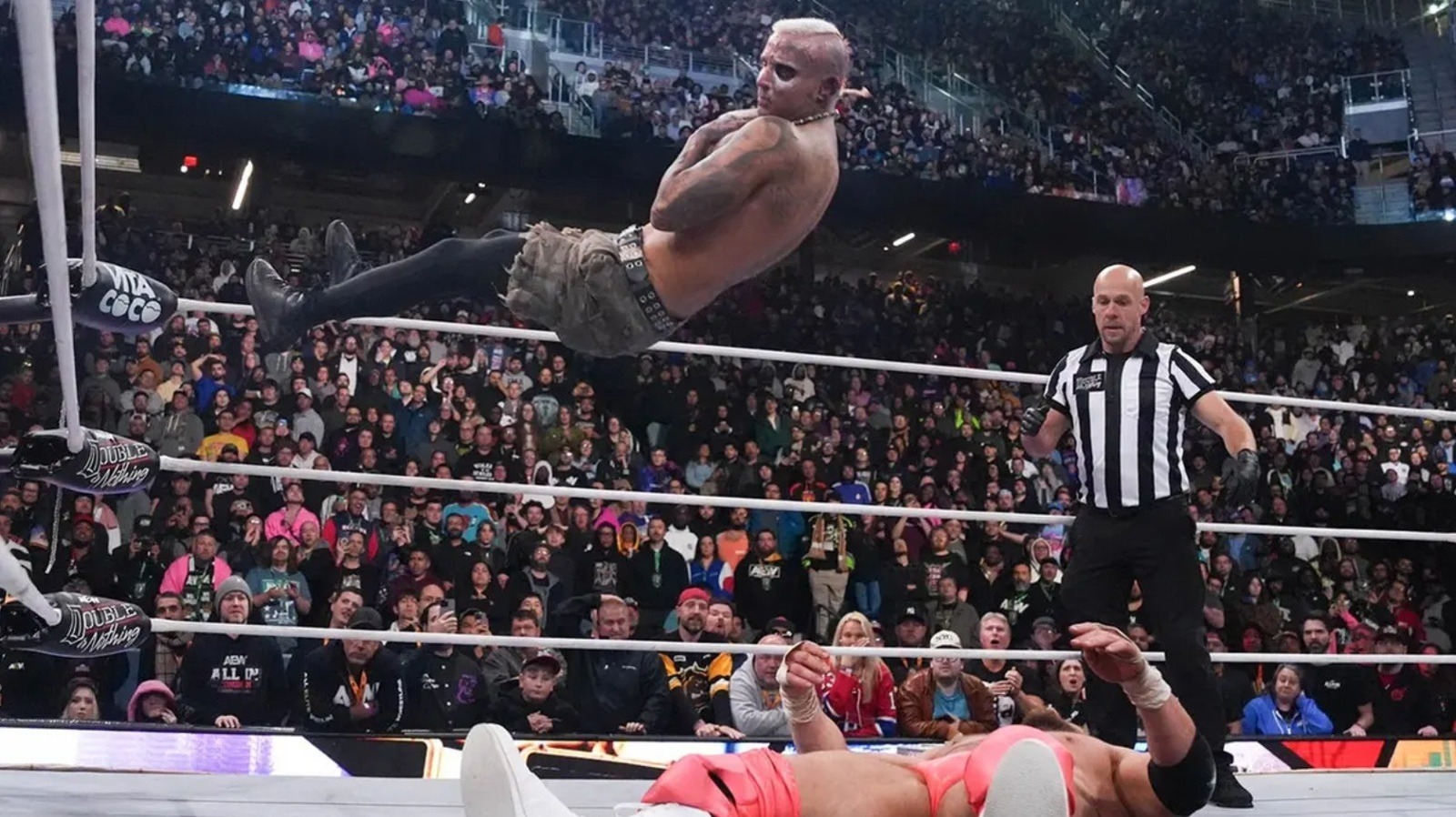
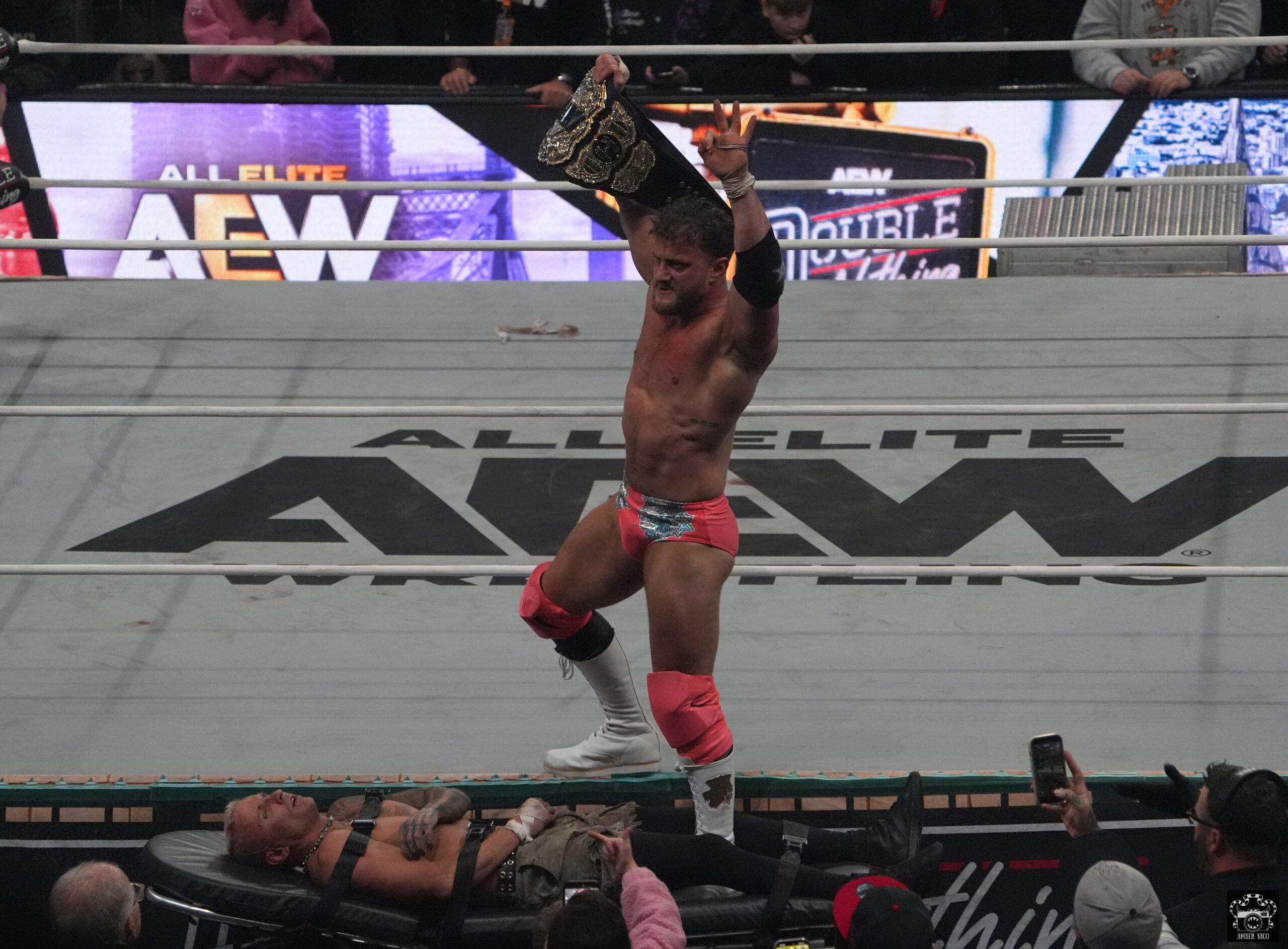
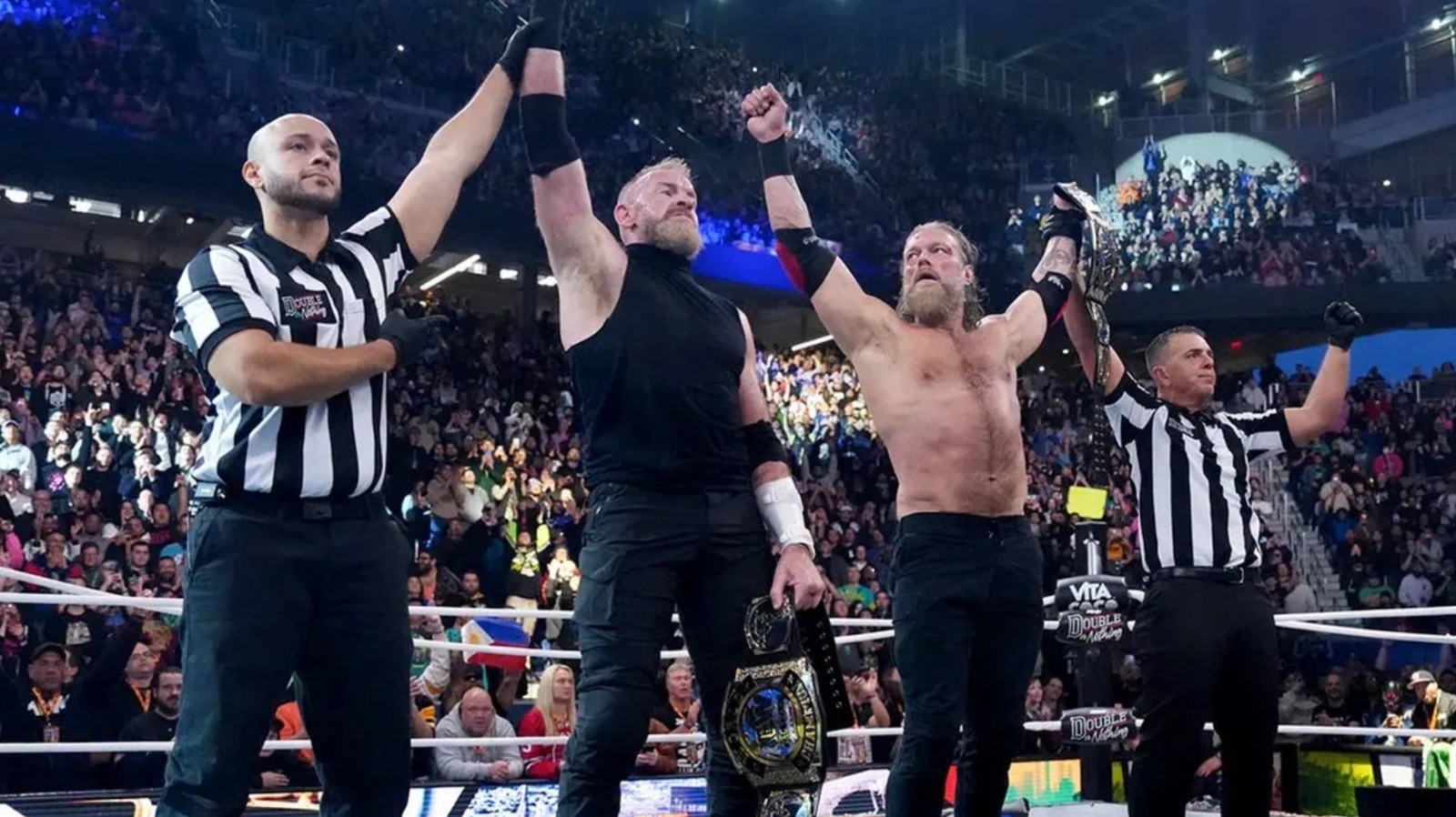
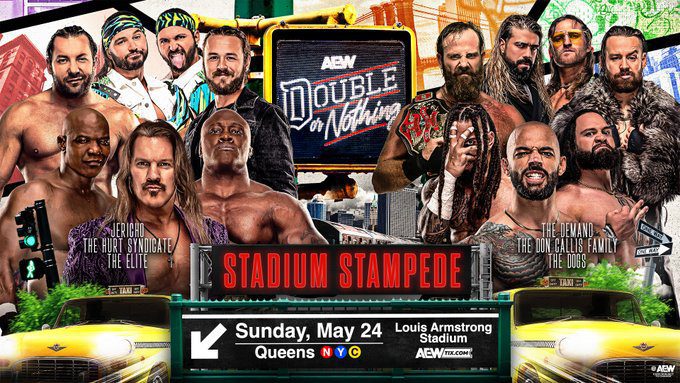
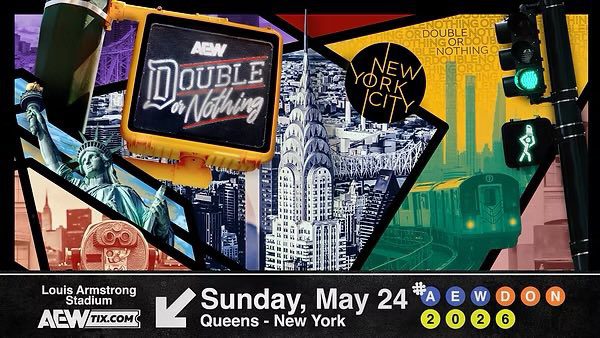
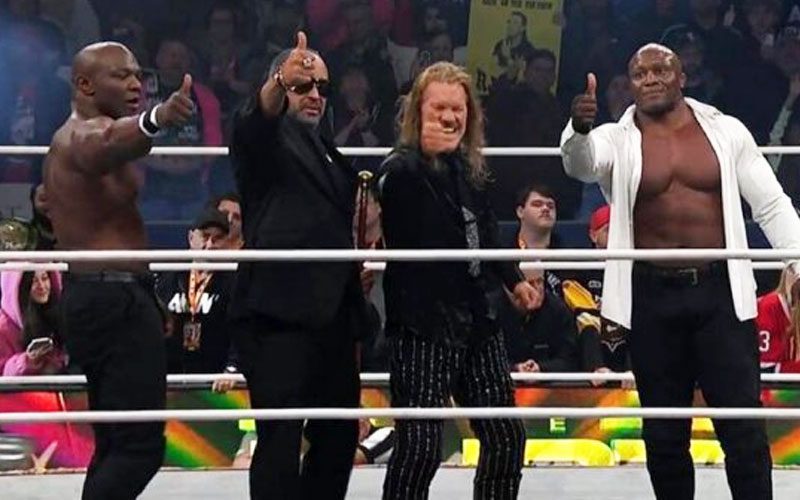
AEW brought the Stadium Stampede back to Double or Nothing, and for a hot minute, it felt like the old school wild west of professional wrestling. We got the chaotic brawls, the obscure cameos, and the kind of high-stakes tomfoolery that usually signals an all-hands-on-deck main event. But behind the curtain, the match was reportedly shackled by the New York State Athletic Commission.
We have all seen the troubling reports from late last week suggesting that the commission put the kibosh on several planned spots. Apparently, the regulators were not fans of the unscripted intensity AEW fans have come to demand from these stadium-sized brawls.
The cost of a clean finish
Professional wrestling thrives on the gray area, especially in a match built on the premise of absolute lawlessness. When you take the weapons out of the weapon match, you are left with little more than a choreographed wrestling session in a parking lot. The commission allegedly restricted the use of certain props that, while dangerous, provide the visual pop that makes these cinematic-adjacent matches trend on social media by midnight.
It feels like a bad case of regulatory overreach. When the governing body is more concerned with the thickness of a steel chair than the safety of the workers, the product suffers. We end up with a softened product that lacks the teeth of the original iteration. This is not the first time a commission has tried to sanitize the product, but it remains a buzzkill of the highest order.
Missing the theater of the absurd
Look at the timeline. Fans had their expectations set by the original Stadium Stampede, an event that redefined what a televised match could look like during the lockdown era. By the time this latest outing hit the airwaves, the limitations imposed by the commission were plainly visible. You could see the performers pulling their punches, navigating around restricted zones, and clearly avoiding the spots that would have drawn a reprimand from the officials.
There is a fine line between keeping talent safe and turning a wrestling spectacle into a PG pantomime. The commission failed to walk that line. They prioritized a list of bureaucratic rules over the organic flow of the storytelling. When your main event feels like it was edited by a committee in a conference room rather than a wrestling promoter in a bunker, the fans are going to notice.
The booking problem in the board room
This situation highlights a larger headache for modern promotions. If you want to host these massive, high-concept matches in major markets, you are at the mercy of local athletic commissions who prioritize paperwork over showmanship. It slows down the pacing. It ruins the momentum. And ultimately, it makes the wrestling look fake in all the wrong ways.
AEW had a chance to deliver a career-defining match. Instead, they delivered a sterilized version of their own creation. The near-falls were less dramatic, the spots felt truncated, and the overall rhythm was interrupted like a jump-cut edit in a bad documentary. Total watch time took a hit because of these external constraints. If they cannot negotiate better terms with these commissions, they should stop booking these spectacles in restrictive jurisdictions. Don't promise total chaos if you can only deliver a mild office squabble.
The Stadium Stampede match at Double or Nothing had plenty of chaos, but it was apparently held back by New York rules.
The result was a match that felt like it was wearing a digital straightjacket. I want to see the spectacle that makes the internet lose its mind, not the one that passes a compliance audit. If the promotion wants to retain its edge, they need to prioritize venues that understand the spirit of the game. Otherwise, we’re just watching fancy gymnastics in empty arenas.