
Mick Foley’s AEW arrival is more than just a nostalgic cameo
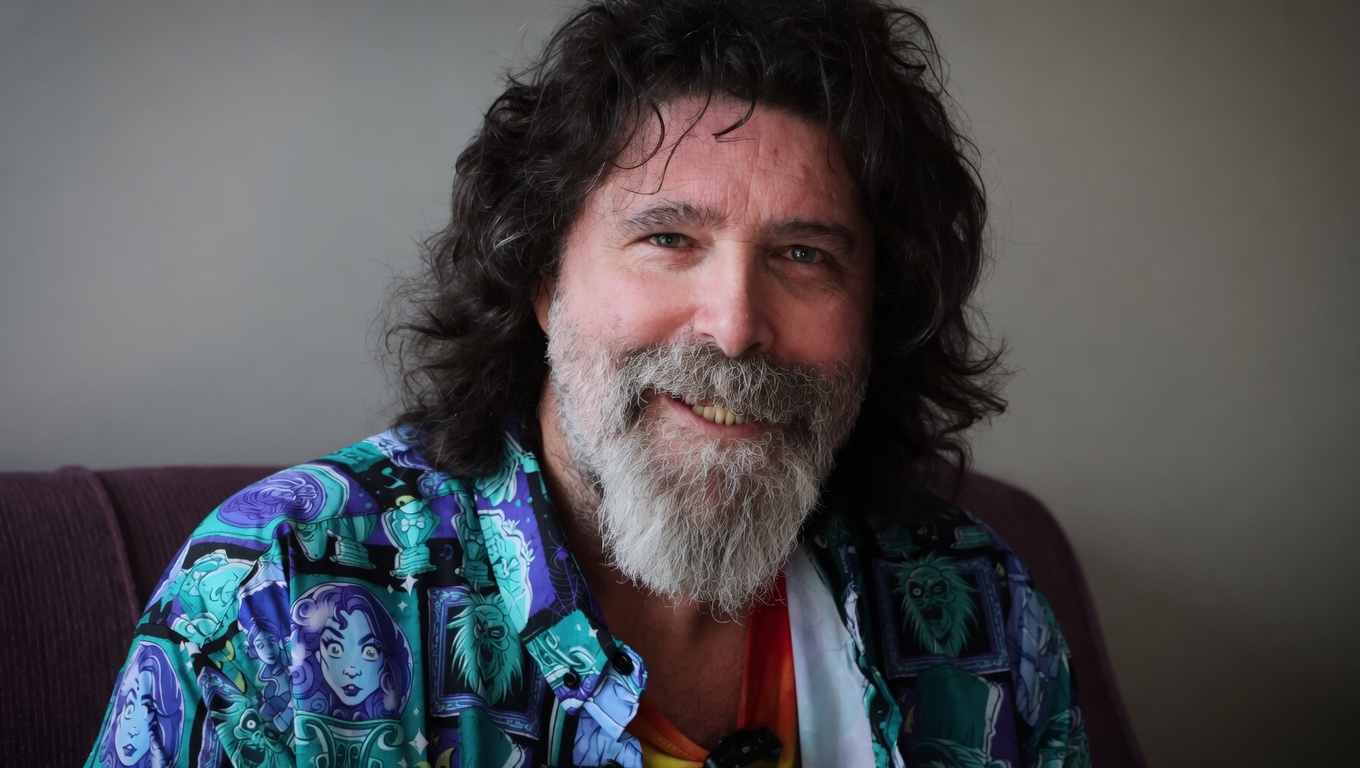
Why the Foley move isn’t just nostalgia bait
When the visual of Mick Foley walking onto the stage at Double or Nothing 2026 hit the screen, the cynicism directed toward veteran cameos was immediately tempered by the reality of his utility. For a promotion that remains obsessed with high-risk, high-velocity spots, the presence of a man who literally pioneered the modern carnage aesthetic is practical. Foley isn't merely here for a pop; as Renee Paquette observed, his value lies in the mentorship of a roster that often prioritizes physical feats over the psychological connective tissue required to keep an audience invested for thirty minutes.
We are watching an era where the athleticism in the ring has never been higher, yet the fundamental grasp of 'selling' the stakes feels increasingly precarious. Foley, a master of making a chair shot feel like a life-altering event, provides the exact kind of historical literacy these athletes lack. Bringing him in for the Buy In was a calculated investment in the locker room's future, not just a grab for a quick social media uptick.
The strategic pivot for All Elite Wrestling
Tony Khan has made the move to bring in a legend who understands the nuance of storytelling. According to reports from his post-show comments, Foley is genuinely satisfied with his integration into the company. This suggests an arrangement that likely extends beyond a single appearance or a talking-head role. If Foley is truly committed to helping talent 'pick his brain,' the impact on the development of younger performers could be significant.
Consider the recent trajectory of the promotion. We see incredible sequences of moves—a flurry of superkicks followed by back-to-back moonsaults—frequently lacking in emotional stakes. A 20-minute match should build to a crescendo, not just a collection of viral moments. If Foley can teach someone like Sammy Guevara or Jack Perry how to manipulate a crowd's patience, he has effectively solved the promotion's biggest structural weakness.
The potential pitfalls of the veteran influence
However, optimism must be measured against the historical failure of 'legend' roles. If Foley is relegated to a simple on-screen authority figure or a recurring guest for the sake of nostalgia, his presence will yield diminishing returns within 3 months. The risk is that he becomes a prop rather than a teacher. If the creative team leans on his history to paper over gaps in character development, the AEW audience—which is notably discerning and critical of stagnant booking—will turn on the arrangement.
Furthermore, as noted in his own statements following the event, Foley remains a fan of the product. This genuine connection is an asset, but it can also blind a veteran to the necessity of harsh criticism. AEW doesn't need another 'yes man' in the back. It needs a consultant willing to tell a performer exactly why their match failed to elicit the expected crowd reaction despite the technical proficiency displayed. The chemistry with Paquette, who balances professionalism with genuine human curiosity, is a good start. She serves as the perfect conduit for his observations, ensuring his knowledge doesn't vanish in the vacuum of a backroom discussion.
Measurable outcomes for the locker room
To evaluate the success of this acquisition, we must look for specific markers in the coming quarter. I am looking for a shift in how the mid-card talent structures their long-form matches. Do we see an increase in sustained tension in main event slots? Does the duration of matches align with the narrative payoff? If we are still seeing high-octane 25-minute matches that result in a lukewarm crowd response at the final bell, the Foley experiment will have clearly failed its primary objective.
The standard should be set high. When Foley was active, his matches—like the infamous Hell in a Cell encounter at King of the Ring—were never just about the big bump. They were about the climb, the desperation, and the eventual release of tension. If he can impart even a fraction of that pacing discipline to the current generation, this will be the most underrated signing of the year. Anything less is just a costume change for a legend who deserves a more substantive legacy in modern wrestling.
Read Next
- The New York Athletic Commission is killing the vibe at Double or Nothing
- Mick Foley is reportedly AEW-bound ahead of Double or Nothing
- Double or Nothing 2026 could redefine the AEW main event picture
- AEW Double or Nothing medical fallout: Perry and others undergo evaluation
- 🎲 AEW Double or Nothing 2026 — Full Coverage Hub
WWE Elite Collection Series 109 Action Figure
Super-articulated action figures for the ultimate ringside display.
Frequently Asked Questions
What is Mick Foley's primary role in AEW?
Why did Tony Khan sign Mick Foley?
What risks does Mick Foley face in his new role?
How will Mick Foley impact AEW's young talent?
How long is Mick Foley's AEW tenure expected to last?
More Coverage
Top 10: Top Moments
3 days, 9 hours ago
Why a Fletcher vs. Foley dream match is a booking disaster in the making
1 week, 2 days agoMick Foley joins AEW as Kenny Omega addresses the Beach Blast crowd
1 week, 3 days ago
Top 10: Top Moments
1 week, 3 days ago
Top 10: free
1 week, 4 days ago
Top 10: Top Moments
1 week, 5 days agoMore Analysis

Mick Foley’s AEW arrival is a masterclass in narrative tension
1 month, 3 weeks ago
Mick Foley is reportedly heading to AEW to shake up Double or Nothing
1 month, 3 weeks ago
Mick Foley's AEW run should not include a single match
1 month, 3 weeks ago
Mick Foley to AEW is the chaotic nostalgia trip we didn’t know we needed
1 month, 2 weeks ago
Mick Foley’s AEW debut signals a shift in creative expectations
1 month, 2 weeks ago