The Big Picture
AEW is navigating a volatile mid-spring period marked by physical wreckage and strategic shifts. These ten instances defined the last several months of television by raising the stakes for every roster member.
The Rankings
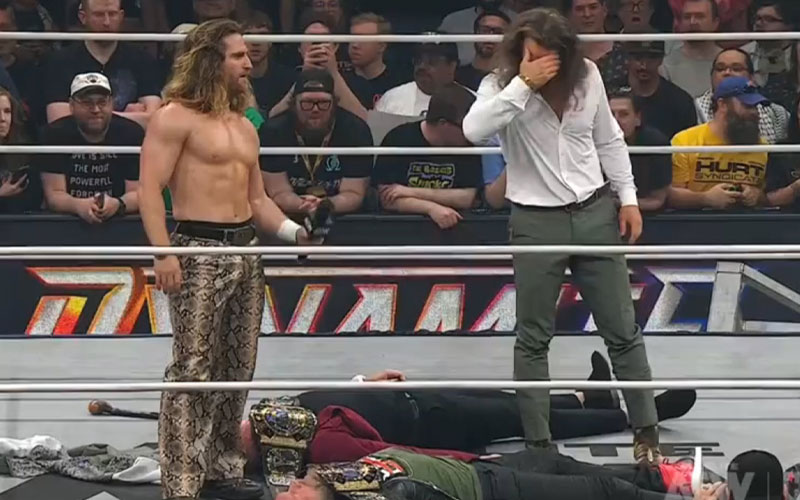
1. David Finlay and Clark Connors invade Dynamite. On May 27, the War Dogs decimated Adam Copeland and Christian Cage immediately following their tag title celebration. This beatdown was brutal, efficient, and established a new physical ceiling for AEW tag team feuds. It sits at number one because it successfully bridged the gap between NJPW aggression and AEW championship gold status.
2. Kyle Fletcher’s vulnerable return to the ring. After a long injury layoff, Fletcher’s return performance was defined as much by his candor as his suplexes. He admitted the downtime caused a loss of identity, effectively grounding the hyper-athletic star. Watching him navigate the mental toll of recovery provided more genuine human stakes than a typical title defense ever could.
3. QT Marshall’s Double or Nothing survival. During the May 24 event in New York City, Marshall suffered an incredibly awkward landing that halted the momentum of the entire card. Backstage concern levels were high, yet he walked away with no long-term damage. As recent reports detailed regarding the aftermath of recent violence, the roster narrowily escaped a catastrophic injury scenario.
4. Adam Copeland and Christian Cage capturing the titles. Their veteran chemistry is undeniable, yet the booking feels like it is stalling younger teams. While the match output remains high, the decision to give them the gold invites criticism about AEW failing to elevate native talent. It ranks fourth because it prioritized nostalgia over the long-term division health.
5. The post-match chaos segments. Across multiple episodes this month, the trend of ending segments with gang-style beatdowns has become predictable. While effective, the repetitive nature of these brawls is beginning to dilute the impact of individual strikes. If every show ends with a weapon attack, the fan interest will inevitably plateau.
6. The utilization of international crossovers. The integration of New Japan talent in recent weeks has injected much-needed urgency into the programming. However, the lack of follow-up for mid-card talent remains a glaring flaw. There is a disconnect between the marquee main events and the rest of the undercard consistency.
7. The stylistic evolution of the tag division. With teams like the War Dogs entering the frame, the technical standard has shifted toward a more punishing, stiffer style. This is a direct response to the criticism that the division was becoming too reliant on high-flying spots. It offers a necessary grit that the brand lacked in early 2026.
8. The mental hurdle of the injury crisis. AEW dealt with a high volume of personnel setbacks this spring, forcing rapid changes to major pay-per-view cards. The way management handled the recent injury scares showed a lack of planned depth in booking. Relying on veterans to fill holes is a temporary fix, not a strategy.
9. The New York crowd reaction. The fan energy at Double or Nothing provided a major lift for a card that looked shaky on paper due to last-minute adjustments. Without that specific crowd heat, the segments featuring mid-card talent likely would have fallen flat. Fan engagement remains the primary engine keeping these storylines afloat despite inconsistent writing.
10. The lack of clear long-term direction for undercard feuds. While main stories are hot, the lower-tier matches often feel like filler without stakes. Too many episodes have relied on momentum-less matches that do not lead to meaningful movement up the rankings. It is a critical oversight that wastes roster depth.
Honorable Mentions
The surprise appearances of international talent remain a bright spot for the creative team to build upon. Additionally, the increasing reliance on veteran leadership during high-stress injury windows deserves a mention, even if the execution remains flawed. These moments serve as a reminder that the product is currently caught between high-impact spectacles and the need for improved long-term narrative discipline.