The Highs and Lows of a Chaotic Night
AEW Double or Nothing 2026 proved that risk-taking remains the core identity of the promotion. From main event title changes to post-match betrayal, the card offered a trajectory for the summer. These are the top 10 moments, ranked by impact, narrative shifts, and execution.
Refining the Rankings
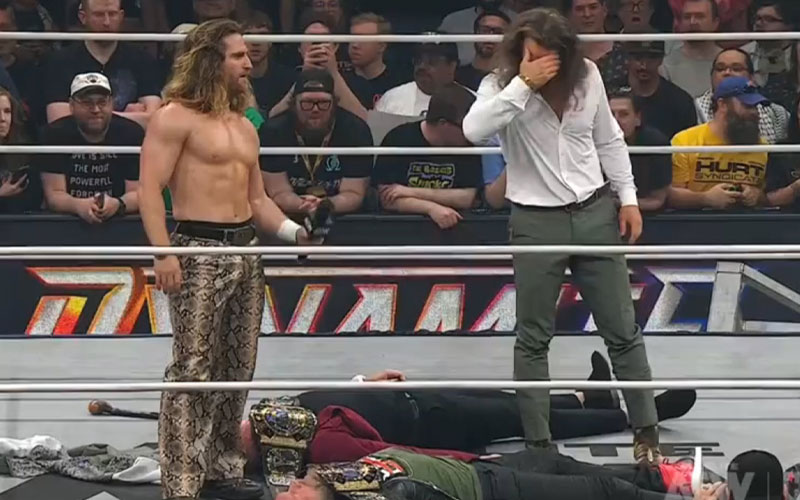
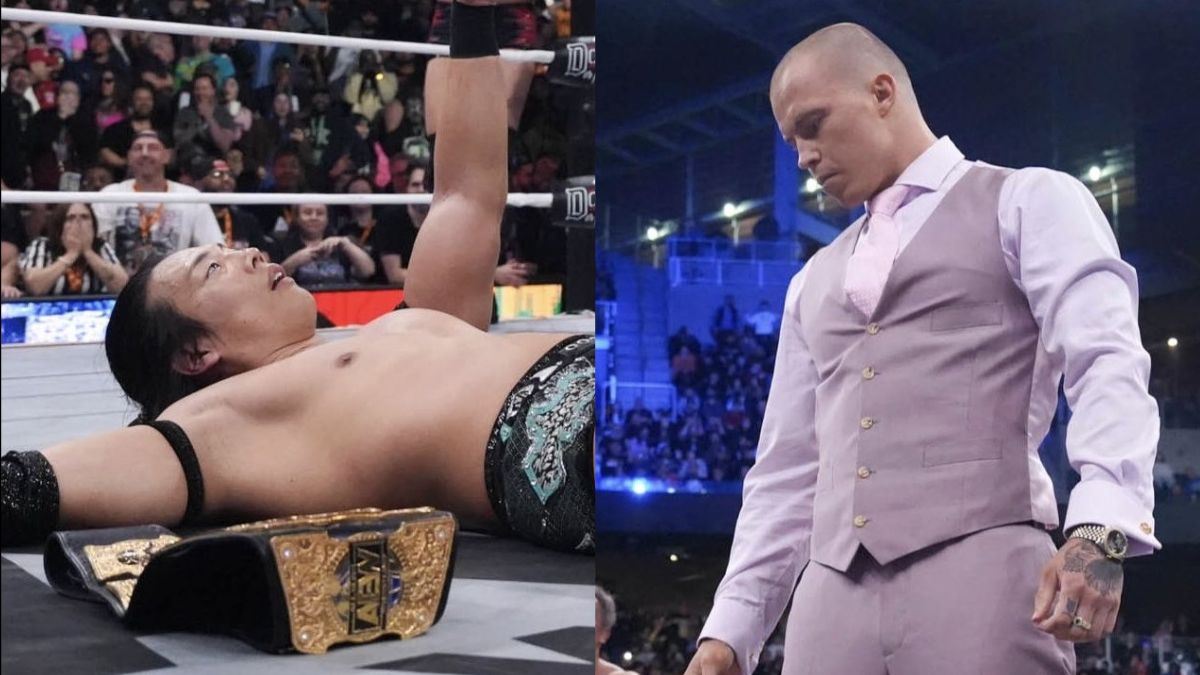
- Kyle Fletcher Betrays Konosuke Takeshita. Moments after Takeshita snatched the International Title from Kazuchika Okada, Fletcher delivered a devastating betrayal. It was the most shocking turn of the year, effectively resetting the Don Callis Family dynamic. The decision to strike immediately after the title win maximized the emotional whiplash. The lack of a clear follow-up angle for the next two weeks remains a booking oversight.
- Konosuke Takeshita Defeats Kazuchika Okada. This encounter established Takeshita as a genuine headline act. The pacing of the final five minutes was elite, ending with a clean pinfall victory. Okada losing the belt to a stablemate signals a pivot in the International division hierarchy. This win was earned, not gifted, and sets a high bar for upcoming title defenses.
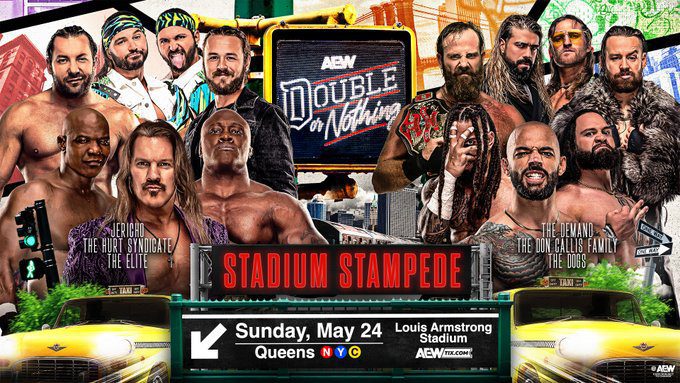
- Jack Perry Bus Spot at Louis Armstrong Stadium. The visuals of the Stadium Stampede were marred by legitimate danger to the roster. Reports of medical evaluations following the Double or Nothing chaos confirm safety protocols were pushed to the absolute limit. While it looked visceral, the long-term medical fallout makes this a polarizing entry. Whether the risk was worth the footage is a debate that should be happening behind the scenes.
- International Expansion via MyAEW. Strategic platform growth matters as much as the in-ring work. Tony Khan is prioritizing digital ecosystem expansion via the MyAEW portal integration. By onboarding external promotions, they are moving away from traditional scouting cycles. It is a calculated reach for global audience share.
- Okada’s Short Title Reign. While the match quality was high, the sudden end to Okada’s run left fans feeling shortchanged. You do not put the belt on a star like Okada just to drop it in a chaotic scramble. It undermines the prestige of the International Championship. The company needs to define if Okada is a champion or a supporting antagonist for his stable.
- The Stadium Stampede Structural Damage. The physical toll on the arena was clear during the broadcast. Seeing the impact of a bus collision in a non-traditional wrestling venue felt like a relic of the early pandemic era. It was reckless and visually arresting in equal measure. Safety oversight now looks like the biggest concern coming out of the event.
- The Don Callis Family Implosion. The internal conflict between Fletcher and Takeshita transforms a stale faction into an active threat. This provides a clear path for the next three months of television. It is the most compelling narrative thread currently running on Wednesday nights.
- In-Ring Medical Delays. The pauses caused by injury evaluations during the high-stakes matches killed the momentum of the card. A professional promotion cannot treat television time as an afterthought while trainers check on talent mid-match. It hurts the viewing experience significantly.
- Talent Utilization Concerns. With such a massive roster, seeing top-flight talent relegated to background roles throughout the night was jarring. The crowd reaction during these lulls showed a clear disconnect between creative goals and fan engagement. Booking depth remains a recurring issue for the promotion.
- Post-PPV Narrative Direction. By the end of the show, the path for June was established. We have a new champion and a new, bitter rivalry. It was a clean slate win, even if the road to get there looked dangerous at times.
The Big Picture
AEW remains committed to a high-octane, high-risk product that refuses to play it safe. While the medical fallout and booking volatility are glaring issues, the narrative stakes reached a yearly peak on May 26.
Honorable Mentions
The pacing of the mid-card matches, the crowd energy despite production delays, and the technical execution of the opening tag team sequence. These elements held the broadcast together when the main event segments threatened to derail.
Read Next
- AEW Double or Nothing medical fallout: Perry and others undergo evaluation
- Mick Foley’s AEW arrival is more than just a nostalgic cameo
- Wardlow is back at AEW but the path forward remains a mystery
- AEW's Double or Nothing left us with more questions than answers
- 🎲 AEW Double or Nothing 2026 — Full Coverage Hub