Public accusations move to digital platforms
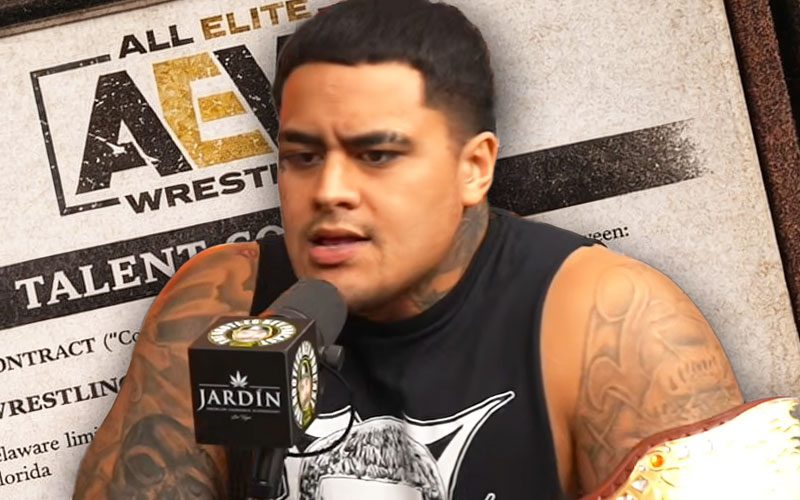
Professional wrestling has arrived at a recurring impasse regarding physical transparency. A former All Elite Wrestling talent recently used social media to target an established WWE star, alleging the use of performance-enhancing drugs to achieve a drastic physique shift. The insinuation follows a trend of anonymous and semi-public speculation regarding how high-level athletes maintain 260-pound frames while working a schedule that often exceeds 150 dates per year.
The accusation, leveled without naming the specific target, centers on the rapid aesthetic transformation that has become a hallmark of modern main-event aesthetics. By suggesting that current roster members are relying on medical assistance to maintain their standing, these comments serve as a reminder that the industry remains skeptical of its own wellness results. When high-profile names pivot toward a more muscular look outside of traditional off-seasons, the locker room is rarely silent.
The history of substance scrutiny in sports entertainment
WWE maintains arguably the most rigid testing policy in the industry, yet debates regarding physiological legitimacy rarely subside. Past controversies have frequently haunted the business, leaving fans to wonder where the line exists between modern nutrition and prohibited supplementation. As reported by WrestlingNews.co, these barbs are often used as personal leverage during contract negotiations or as a way to generate engagement when a wrestler is stuck in the lower card.
Physical requirements have reached an apex in 2026. Wrestlers are expected to hit explosive spots, like a top-rope Spanish Fly followed by a running knee, while carrying significantly more mass than their predecessors. The pressure to look the part of a superhero frequently crashes into the reality of long-term health. When a peer questions the validity of a rival’s gain, it touches an exposed nerve regarding the legitimacy of the entire presentation.
Why locker room silence is breaking
The transition from private grumbling to public call-outs reflects a broader shift in how talent manages their personal brands. Twitter and Instagram have given performers a direct megaphone that bypasses traditional media filters. While this creates immediate engagement, it often leaves the company in a defensive position. WWE prefers the appearance of internal cohesion, yet individual wrestlers are increasingly comfortable airing grievances that could potentially undermine the brand.
If these accusations continue to permeate the discourse, WWE management may be forced to address the optics. It is not just about one wrestler accusing another; it is about the perception of the product. When the audience begins to scrutinize the physiques of main-event talent rather than the quality of the match, the suspension of disbelief suffers. The company has a vested interest in ensuring that the conversation remains on the 30-minute iron man match optics rather than medical history.
Impact on current mid-card dynamics
Contextually, this type of talk usually emanates from those who feel slighted by the current hierarchy. When a wrestler sees a colleague passed over or elevated on the basis of size, the immediate response is often to question how that size was achieved. This behavior is rarely about a genuine concern for athlete health and almost always about the limited spots available at the top of the card.
We have seen this cycle before. From the 1990s through the late 2010s, physique anxiety was a standard feature of backstage chatter. The current climate is different only because the digital record is permanent. A jab thrown on a Tuesday night now lives forever in the memory of the fanbase, potentially coloring the crowd's reaction to a specific performer for months. This creates a volatile environment where the lines between organic heat and professional assassination blur.
The reality check
There is a glaring flaw in these public accusations. By casting aspersions without providing evidence, the accusers rely on innuendo to disrupt the reputation of their peers. If a wrestler truly believed that a rival was violating the wellness policy, the path to resolution would involve internal channels rather than a public post. Using these platforms to vent creates a toxic reputation for the accuser, often making them look like a disgruntled former employee rather than a whistle-blower.
Ultimately, professional wrestling is going to continue to favor the performers who look the most imposing. Whether that is achieved through rigorous lifestyle optimization or medical shortcuts, the fans ultimately reward the look. As we move closer to the busy summer calendar, expect these minor skirmishes to continue. It is the predictable outcome of an industry that prizes visual spectacle above almost everything else.
The burden of proof remains with the accuser. As long as these charges remain vague, they serve as nothing more than background noise in an increasingly loud digital room. For the talent in question, the best response is the one they usually choose: ignoring the chatter and continuing to headline shows. Results in the ring will always outweigh the noise on social media feeds. The business moves on regardless of who is tweeting what at midnight.