The Shadows of the Impact Zone
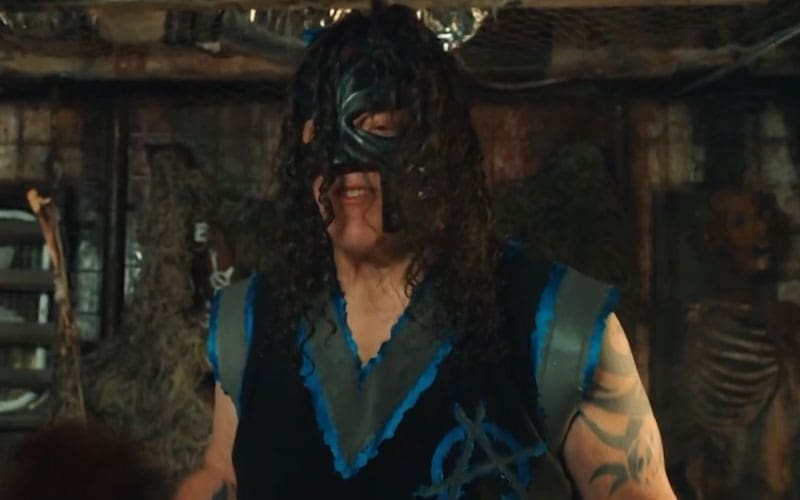
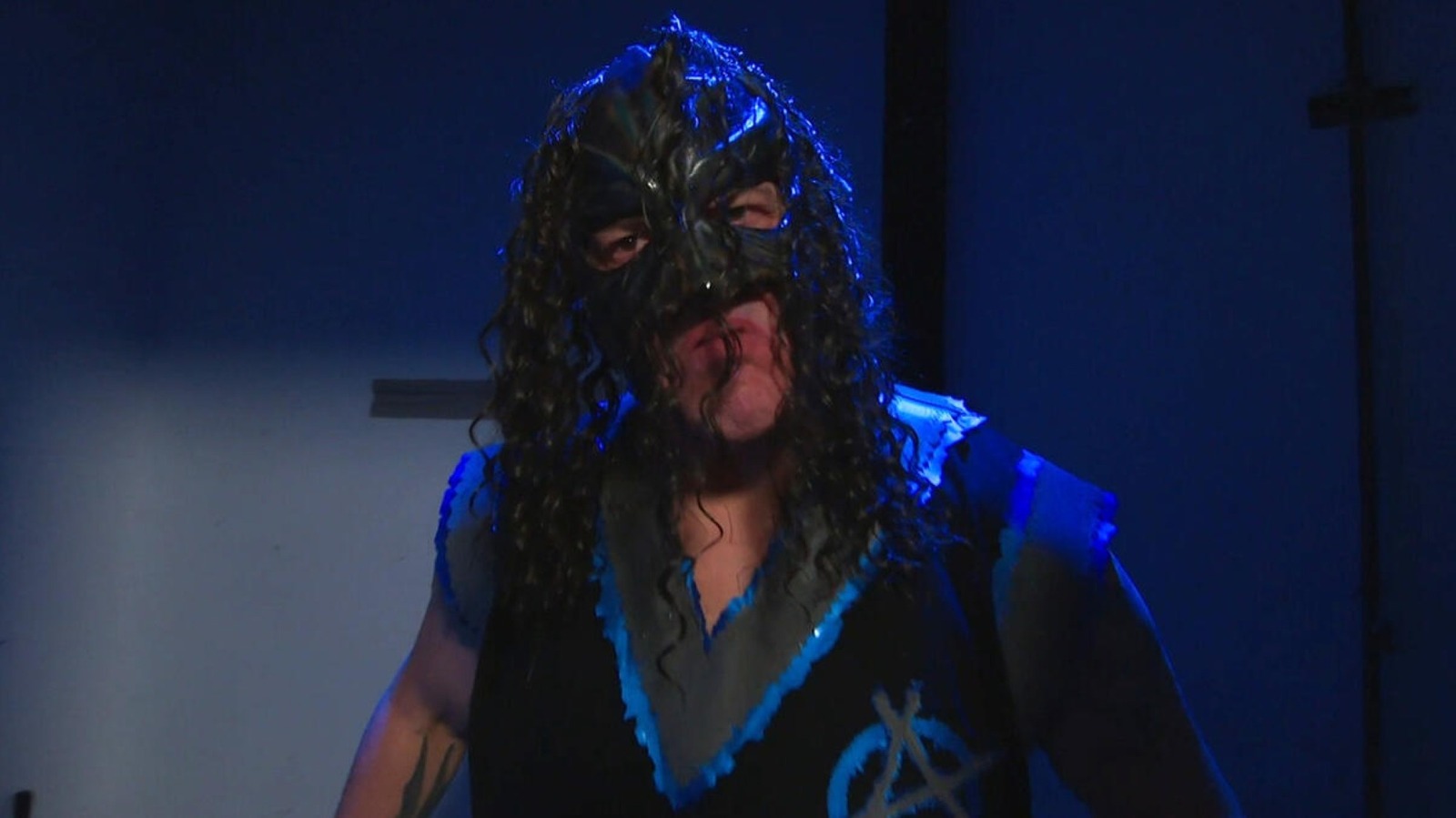
Thursday night's episode of TNA Impact delivered a ghost. During a backstage vignette, Hall of Famer Abyss made a sudden, unannounced cameo. It was brief. It was weird. And it was exactly the kind of chaotic booking that reminds you why TNA refuses to die.
We are sitting exactly nine days away from WrestleMania 41. The entire wrestling industry is consumed by what is going to happen in Las Vegas. Cody Rhodes is preparing to defend the WWE Championship. CM Punk is gearing up for a major stadium match. The oxygen in the room is entirely sucked up by the impending spectacle in Nevada.
So, what does TNA do? They reach into the deepest, darkest part of their archive and pull out a masked monster. It is counter-programming through sheer nostalgia.
The Mechanics of a TNA Cameo
The initial report from Wrestling Inc keeps the details remarkably thin. Abyss appeared in a backstage vignette. That is all we get. But in the context of TNA television, a backstage vignette is never just a passing moment.
TNA has spent over two decades perfecting the art of the dimly lit backstage segment. A flickering bulb. A chain-link fence. Someone breathing heavily off-camera. When the Abyss character is involved, you instantly expect to see his signature weapon, the nail-studded 2x4 named Janice.
But there is a massive reality check here. Chris Park, the man under the mask, has been working for WWE as a backstage producer for years. His appearance on TNA programming in April 2026 is not just a fun nod to the past. It highlights the ongoing, bizarre talent-sharing dynamics between WWE and TNA that have slowly materialized over recent years.
The Problem with TNA's Monster Booking
Here is where we need to be harshly critical of TNA's current creative direction. Bringing Abyss back gets a massive pop. It generates a headline. But it also acts as a giant neon sign pointing out a glaring flaw in their roster construction. They do not have a modern equivalent.
Look at the locker room right now. There are phenomenal athletes. There are incredible technical wrestlers. But where is the fear? Where is the physically imposing monster who makes the live audience legitimately uncomfortable?
Modern wrestling has largely moved away from the monster archetype. Big men now execute moonsaults. They trade Canadian Destroyers. They desperately want to show you their athletic proficiency. Abyss never cared about looking athletic.
His entire psychology was based on taking punishment. Most monsters are booked to deal damage until they inevitably look weak. Abyss was booked to absorb violence. He fell into 10,000 thumbtacks. He took barbed wire to the arms. He made his opponents look like heroes because they had to practically kill him to keep his shoulders down for a three-count. TNA currently lacks anyone willing to play that deeply unglamorous, masochistic role.
The Legacy of the Black Hole Slam
If you go back and watch Abyss during his peak run, you notice the footwork. He was not just a clumsy brawler stumbling in a mask. He moved with a terrifying urgency.
When he hit the ropes for the Black Hole Slam, he generated ridiculous torque. He didn't just catch guys; he spun them into orbit. It was a perfectly executed finisher because it relied on the opponent's momentum. A cruiserweight would fly at him, and Abyss would redirect that kinetic energy into a sudden, flat bump.
Compare that to the labored setups we see in today's main events. There was no cooperation required to make the Black Hole Slam look devastating. It looked like a car crash because, physically, it basically was. Throw in the Shock Treatment backbreaker, and you had an offensive moveset built entirely around sudden stops.
The Ghosts of the Golden Era
You cannot look at Abyss without thinking about the mid-2000s golden era of TNA. He was the defining, terrifying anchor for the X-Division to bounce off of. When AJ Styles or Samoa Joe needed a physically dominant threat to overcome, Abyss was the guy.
He had a legendary cage match with Kurt Angle that remains a masterclass in pacing. Angle, the Olympic gold medalist, had to resort to pure, unadulterated brawling to survive the monster. That was the magic of the character. He dragged technical masterpieces down into the mud and made them fight for their lives.
Today’s Impact roster has shades of that era, but it lacks the distinct stylistic clash. We see a lot of wrestlers who work a very similar, fast-paced hybrid style. Abyss represented a brick wall. When you throw a fast-paced worker against a brick wall, the match psychology writes itself. TNA desperately needs a new brick wall.
What This Means for Rebellion
TNA is heading toward its spring pay-per-view schedule. April is traditionally a defining month for the promotion. They need a hook. A backstage cameo in a vignette is never a one-off. It is a breadcrumb.
So, where does this lead? The obvious answer is the return of the Monster's Ball match. It is TNA's signature violent attraction. You don't bring Abyss out of mothballs just to have him stand around in the dark. You bring him back to sanction violence.
My read on this is that Abyss is acting as a proxy. He is not going to lace up the boots for a long, grueling match. His knees have given more than enough to the wrestling business. Instead, he is here to pass the torch, or more accurately, hand over the bag of glass.
The WWE Connection
We cannot ignore the corporate politics of this cameo. WWE allows Chris Park to appear on TNA television. Exactly nine days before WrestleMania 41 Night 1 kicks off in Las Vegas.
This tells us something fascinating about how WWE views TNA right now. They do not see them as a threat. They see them as a developmental partner or a useful sandbox. Letting a contracted WWE producer appear on a rival's television show to pop a rating is unprecedented if you look at the Monday Night Wars era, but in 2026, it is just business.
It benefits WWE to keep TNA alive and buzzing. It provides a place for talent to work, and it generates goodwill with the hardcore fan base. But for TNA, it is a double-edged sword. Yes, you get the Abyss cameo. But you also silently acknowledge that you are operating with WWE's permission. That is a bitter pill for a promotion that once tried to go head-to-head on Monday nights.
The Psychological Warfare of Chris Park
Let's talk about the character work. Chris Park is arguably one of the most underrated actors in wrestling history. He managed to make a masked, non-verbal monster incredibly sympathetic.
Think back to his storylines with James Mitchell. Abyss was manipulated. He was essentially a giant, violent child being controlled by a malicious father figure. That layer of tragedy is what made the fans connect with him. He wasn't just scary; he was a victim.
Modern bookers struggle with this nuance. They book big men as purely dominant until they lose, and then they have nothing left. Abyss could lose a match, bleed buckets, and still remain incredibly over because the fans felt sorry for him. He tapped into a weird, gothic empathy that has not been replicated since.
The Danger of Nostalgia Pops
But let's get back to the core criticism. TNA cannot survive on ghosts forever. If this vignette leads to a two-month angle where Abyss manages a young talent, then it is a smart use of resources. If it is just a cheap stunt to pop a Thursday night rating, it is a waste of time.
Wrestling fans have a limited attention span for nostalgia. The first time you hear the music or see the mask, you cheer. The second time, you smile. By the third time, you start looking at your phone. TNA has historically struggled to know when to let the past die.
They relied on Hulk Hogan and Eric Bischoff long after their expiration dates. They have milked ECW reunions dry. Bringing Abyss back threatens to fall into that exact same trap. The pop is temporary. The fundamental issues with creating new stars remain completely unresolved.
Tactical Implications of a Monster's Ball
Let's assume this leads to a Monster's Ball match at the next major event. How does a 2026 roster handle that kind of match?
The original Monster's Ball matches were chaotic, but they had a distinct rhythm. The first five minutes were usually brawling on the floor. The middle ten minutes featured the introduction of weapons — trash cans, kendo sticks, the staple gun. The final five minutes escalated into high-risk spots.
Today's wrestlers often rush the escalation. They want to jump off a balcony in the first three minutes. If Abyss is involved backstage, his biggest contribution should be producing the match. He needs to teach this generation the value of restraint. You do not hit the opponent with a barbed wire bat until you have exhausted the dramatic tension of a regular steel chair. It is basic storytelling, but it frequently gets lost in the rush for viral social media clips.
Final Verdict and Prediction
The Abyss cameo is a fascinating wrinkle in an already weird April. It serves as a stark reminder of TNA's bloody, chaotic history right as WWE prepares to put on a polished, corporate mega-event in Nevada.
It is a calculated move to remind fans that TNA still offers a grittier alternative. But they need to follow through. A shadowy vignette is just an empty promise. Now they have to deliver the violence.
Here is the prediction. Abyss will not wrestle. Instead, he will appear live next week to announce the return of the Monster's Ball for the upcoming pay-per-view. He will hand his signature weapon to a heel, effectively crowning a new franchise monster. It will be a messy, bloody, overbooked spectacle. And despite all the valid criticisms of relying on the past, it will probably be the most entertaining thing on the show. Because when the lights go out in the Impact Zone, logic inevitably takes a back seat to chaos.
Read Next
- AJ Lee is right — the Asuka, Kairi Sane, and IYO SKY drama is WWE's best story
- WWE is taking a massive risk debuting Royce Keys right before WrestleMania
- TNA's Vegas withdrawal changes everything for AEW and the free agent market
- Roddy Piper was the only person who could have made Hulk Hogan a star
- 🏆 WrestleMania 41 — Full Coverage Hub