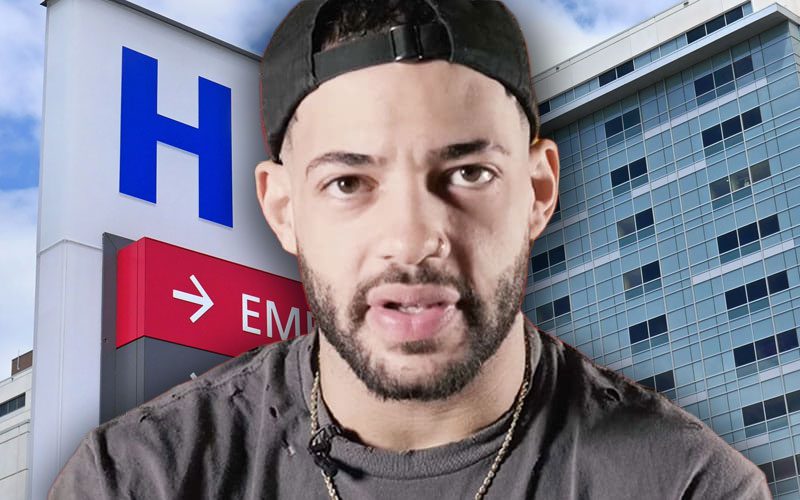
The Road to Rebellion: A Clean Bill of Health?
TNA Wrestling stands on the precipice of Rebellion, one of its premier annual pay-per-views, scheduled to unfold in the coming days. As the promotion finalizes preparations and builds momentum through its weekly programming, a strikingly positive development has emerged: a notable, and almost unprecedented, absence of major injury reports among its most prominent performers. In a sport where the physical toll often dictates narratives and reshapes meticulously planned cards, TNA's apparently robust health offers a significant, if perhaps temporary, strategic advantage.
The recent flurry of TNA activity, including the ongoing Impact tapings in Syracuse, New York, highlighted by PWInsider, has notably lacked any public disclosures of talent being sidelined. These tapings, crucial for shaping post-Rebellion storylines, appear to have proceeded without incident. Further reinforcing this picture of a healthy roster, the April 9th edition of TNA Impact, which aired just prior to the Rebellion pay-per-view and saw a welcome uptick in viewership, reported no medical setbacks. Even the detailed spoilers from the April 14th tapings, featuring a “Top Star” resurrecting a classic gimmick and the enigmatic EC3 cutting a promo, contained no whispers of performers facing forced hiatuses. This quiet on the injury front allows TNA to approach its major event with a rare sense of certainty, executing its creative vision without the usual specter of emergency re-writes.
Implications for the Card and Competition
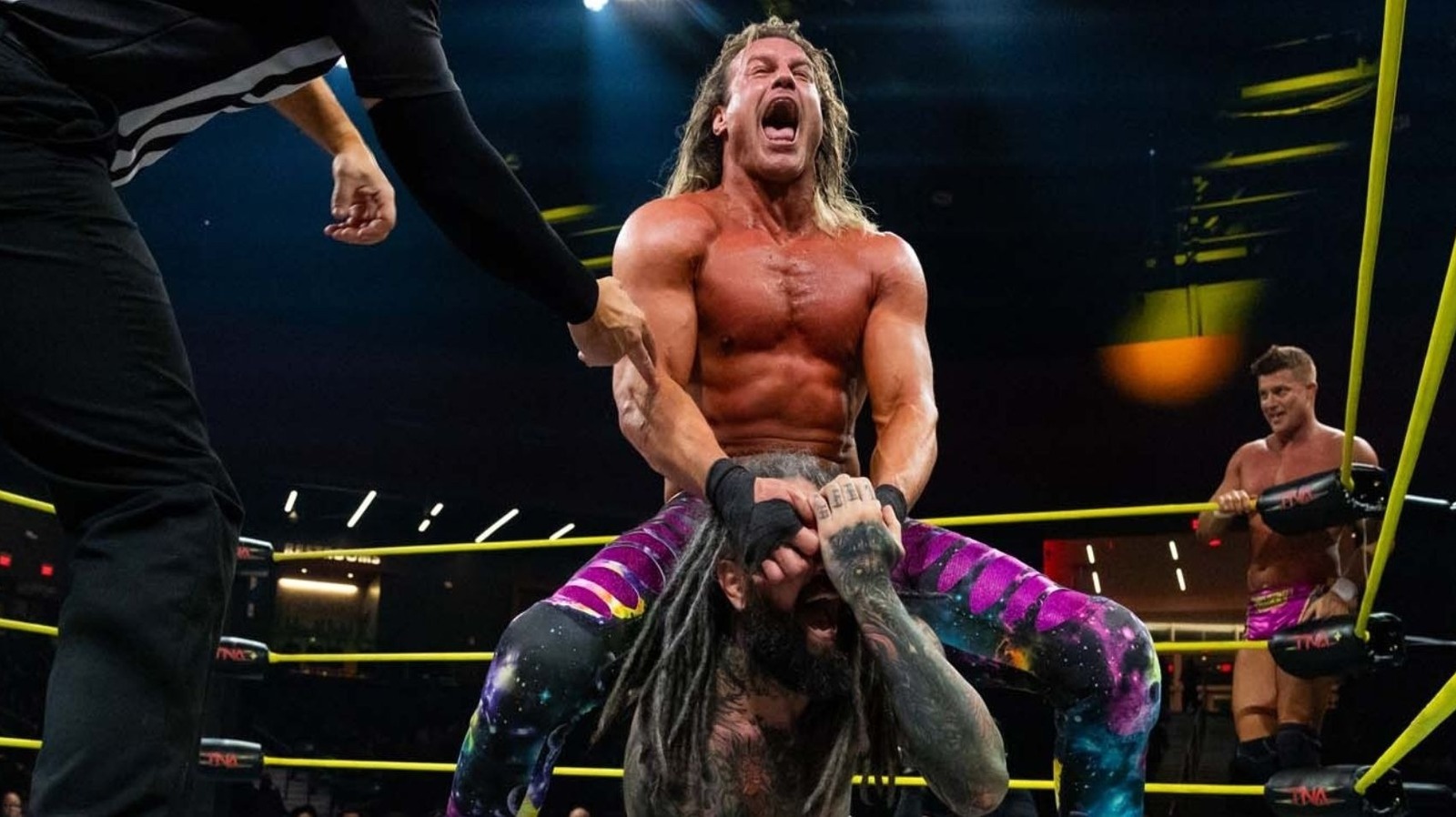
A full-strength roster heading into a marquee event like Rebellion significantly enhances the in-ring product and the overall fan experience. With talent operating at peak physical condition, the potential for high-impact, critically acclaimed matches escalates. Wrestlers can execute more complex sequences, maintain a higher work rate, and deliver fully immersive performances without the limitations imposed by nagging injuries or modified move-sets. This directly translates to stronger pay-per-view offerings, which are vital for a promotion like TNA aiming to grow its audience and secure its market share against larger entities.
Consider the historical context: professional wrestling is littered with examples of major events decimated by unforeseen injuries. WWE's WrestleMania has often seen main event plans drastically altered due to last-minute medical issues, forcing creative teams into hurried re-bookings that rarely satisfy long-term storylines. AEW has faced similar challenges, with key champions sidelined for months, impacting entire divisions. TNA itself has navigated its share of injury woes in the past, understanding intimately how a single setback to a main event player can ripple through an entire quarter of programming. The current state of health allows TNA to avoid such pitfalls, preserving the integrity of its booking and the investment fans have made in ongoing rivalries.
This stability enables TNA to present a cohesive narrative, allowing feuds to culminate as intended at Rebellion. The ability to feature its best talent in their most physically demanding roles without compromise is a rare commodity. It ensures that title defenses and grudge matches carry maximum weight, free from the caveat of a challenger or champion performing at less than 100%. This is not merely a convenience; it is a critical competitive advantage, allowing TNA to focus on delivering superior content rather than reacting to unavoidable crises.
The Unseen Costs and Competitive Contrast
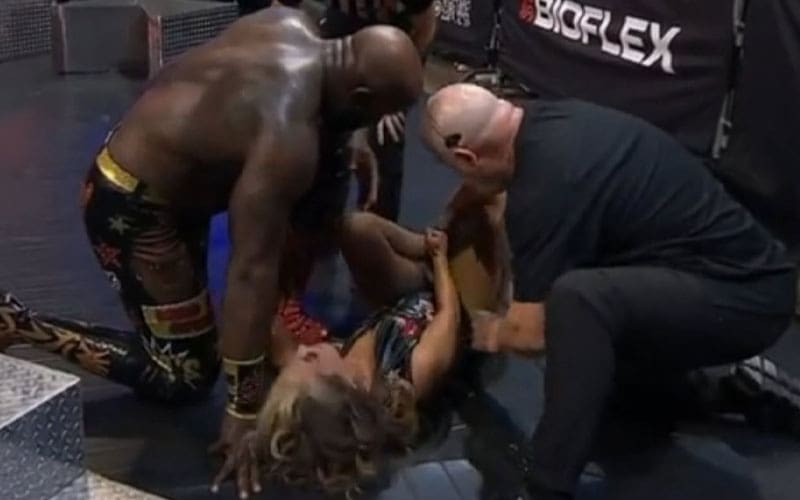
While a publicly healthy roster is undoubtedly a boon, the absence of injury reports also prompts a deeper, more critical examination of the internal pressures within professional wrestling. The unspoken expectation for talent to always be available, particularly during crucial event cycles, can lead performers to mask or downplay minor injuries. What appears as a "clean bill of health" from the outside might, in some cases, be a testament to a performer's immense pain tolerance or a deeply ingrained culture of working through discomfort. This can create a significant long-term health liability, as small issues are allowed to fester, eventually leading to more severe, career-threatening injuries. The critical observation is that the quiet on the injury front does not always equate to an entirely injury-free environment; it often reflects how and when injuries are disclosed.
This contrasts sharply with the public relations strategies of larger promotions. WWE and AEW frequently issue detailed injury updates, sometimes even leveraging them for storyline purposes, highlighting the harsh realities of the business. TNA's current approach, whether deliberate or circumstantial, presents a different image—one of unwavering physical readiness. Strategically, this allows TNA to maintain an appearance of continuity and reliability, portraying its roster as consistently available for action. This perception can be invaluable in attracting and retaining viewers who are weary of constantly shifting main event pictures due to sidelined stars.
The strategic implications are manifold. A healthy roster empowers TNA's bookers to schedule more physically demanding matches, potentially reintroducing stipulations or match types that carry higher risks but offer greater spectacle. It also allows for more aggressive pushes of emerging talent, as there's less concern about established stars being unavailable to carry segments or feuds. However, this also means the company must be extra diligent in its athlete management post-Rebellion. The temptation to push the envelope when talent is seemingly indestructible must be tempered with foresight, ensuring that the current good fortune doesn't inadvertently sow the seeds for future health crises.
A Look Ahead: Sustaining the Momentum Post-Rebellion
The current physical robustness of the TNA roster is a significant asset as Rebellion approaches, but it is one that demands careful stewardship. The relentless schedule of professional wrestling—encompassing weekly television tapings, house shows, and major pay-per-views—ensures that the human body is under constant assault. Every suplex, every dive, and every high-impact landing contributes to a cumulative physical toll that inevitably manifests in wear and tear, and eventually, injury. The current clean slate is a valuable, though likely fleeting, window of opportunity.
Moving beyond Rebellion, the challenge for TNA's medical and management teams will be to implement strategies that extend this period of health as long as possible. This involves rigorous rehabilitation protocols, intelligent rotation of talent, and potentially adjusting match lengths or intensity for specific performers. The lessons from previous eras, where top stars like Sting, Kurt Angle, or Samoa Joe battled through various physical ailments in TNA, underscore the need for proactive health management. The company cannot afford complacency; maintaining a healthy roster is not a passive state but an active, ongoing effort. This healthy lead-up to Rebellion is a boon, but it is one that necessitates continuous vigilance and strategic planning to prevent it from becoming a distant memory.