The physical toll of the May schedule
TNA management faces a difficult June as several core talents manage lingering injuries following an intense May television cycle. With the recent uptick in viewership providing a small momentum boost, the pressure on the medical staff to clear marquee names is reaching a boiling point. The industry trend toward high-impact spots on weekly television has clearly taken its toll on the active roster.
Injuries today function as the primary constraint on creative booking. When a headliner misses time, the ripple effect reaches the top of the card instantly. We currently monitor three specific instances of talent working through physical limitations. While none of these cases have led to immediate surgical intervention, the risk of worsening these conditions during back-to-back taping blocks is high.
Status updates on key roster members
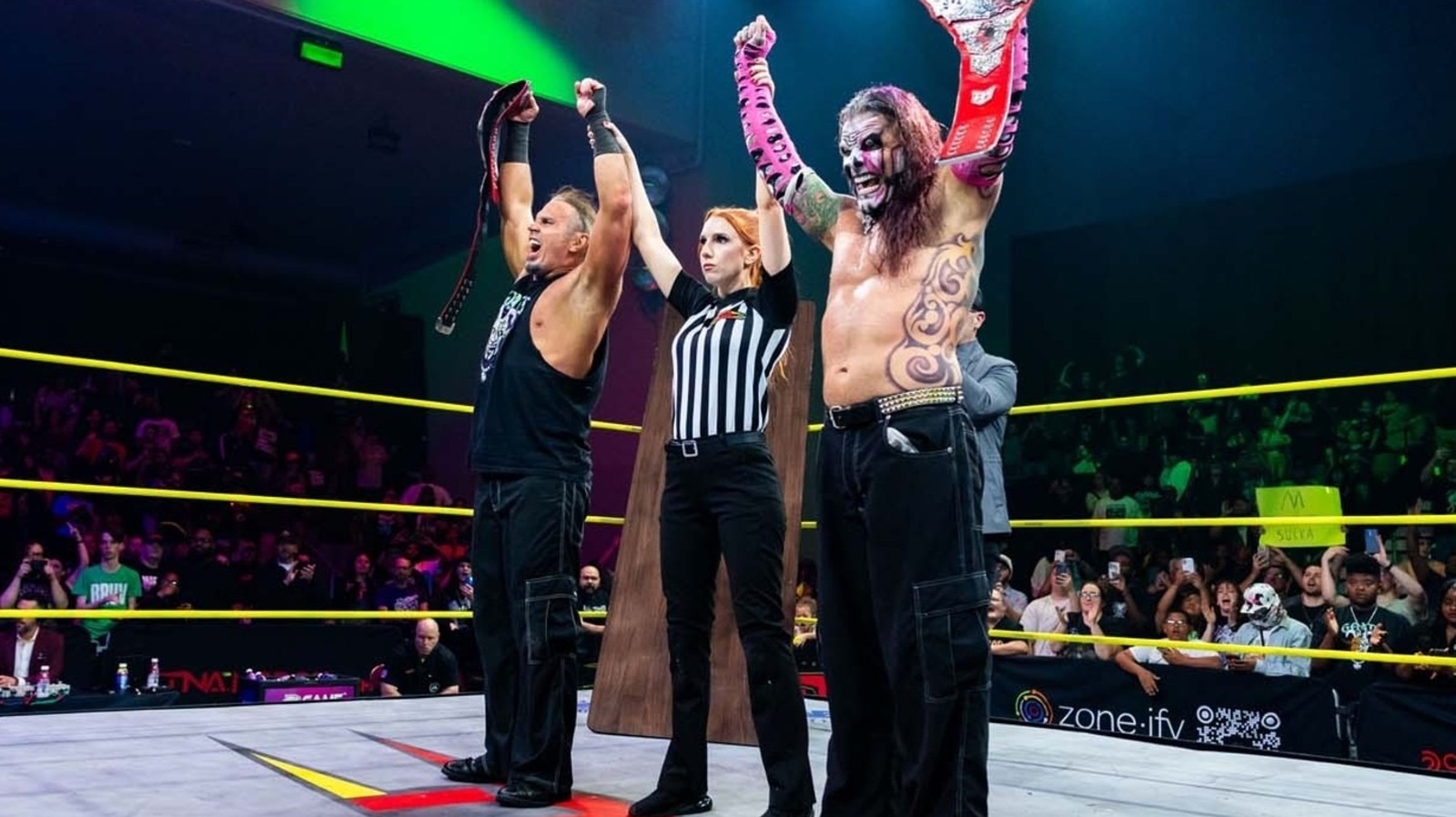
The primary concern remains the knee instability reported by one of the promotion's top-tier high flyers. Sources indicate this was caused by a botched landing on the ring apron during a tag team showcase on the May 21 tapings. While the athlete finished the bout, the post-match mobility was visibly hampered. The medical team has prescribed a limited training schedule until mid-June.
A second veteran performer is reportedly dealing with a persistent shoulder labrum issue. This injury originated during a series of stiff lariat exchanges in early May. Rather than taking time off, the talent transitioned into a role as a ringside agitator. This allowed the promotion to keep the individual on camera without requiring high-impact physical bumps, which shows a clever use of non-wrestling segments to preserve card depth.
Strategic implications for the division
Booking around limitations is a necessary evil in professional wrestling. When top names operate at less than 100 percent, the reliance on technical submission work often increases to hide mobility gaps. We saw this in recent segments where prolonged rest holds replaced high-speed transition sequences. It is a functional fix, but it rarely sustains audience interest long-term.
Competitors like WWE have occasionally seen their talent crossover into the consciousness of other fanbases, recently noted when a TNA reference appeared in the crowd at a rival's premium live event in Italy. This type of brand visibility helps sustain interest even when the roster is physically battered. However, it does not solve the underlying issue of talent sustainability.
The merchandising distraction
Management is clearly trying to pivot away from the physical grind by highlighting community initiatives. The recently announced 2026 Pride Collection serves as a strategic attempt to capture audience engagement outside of the ring. While philanthropic, it also fills news cycles during a time where the wrestling product itself is hindered by roster-wide physical depletion.
The current scheduling of taping blocks remains a questionable decision. Running shows with only days between deep, high-intensity matches forces the medical department to triage talent rather than facilitate a full recovery. If the goal is long-term growth, the current cadence of 52 weeks of high-intensity performance seems unsustainable. We expect to see more mid-card talent elevated to fill these gaps as the summer heat sets in.
Historical context proves that rushing talent back from knee or shoulder issues often leads to longer absences later. When wrestlers perform through inflammation, the secondary injuries—often to adjacent ligaments—become harder to diagnose. The medical staff is now effectively in a race against the calendar to ensure the main event stars are ready for the upcoming summer pay-per-view cycle.
Until those athletes are cleared for full-contact training, the broadcast product will continue to favor promo-heavy segments over athletic showcases. This shift might appease the casual viewer, but the core audience likely notices the reduction in work rate. It is a delicate game of management versus maintenance.