Rebellion disrupted by ringside chaos
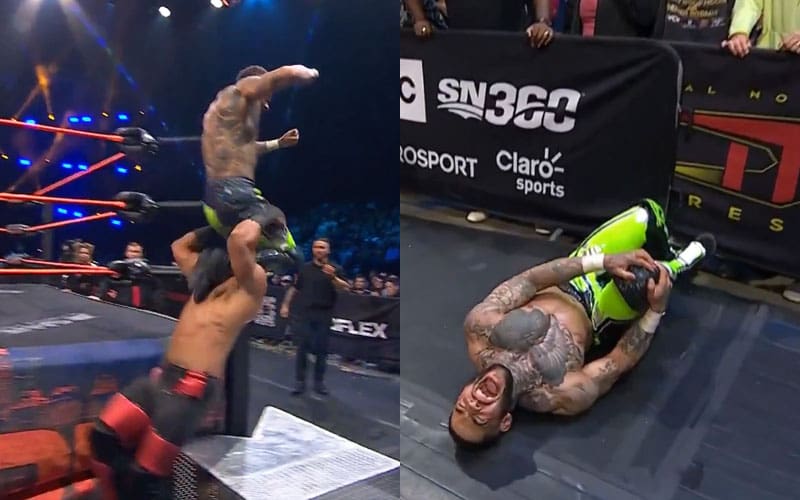
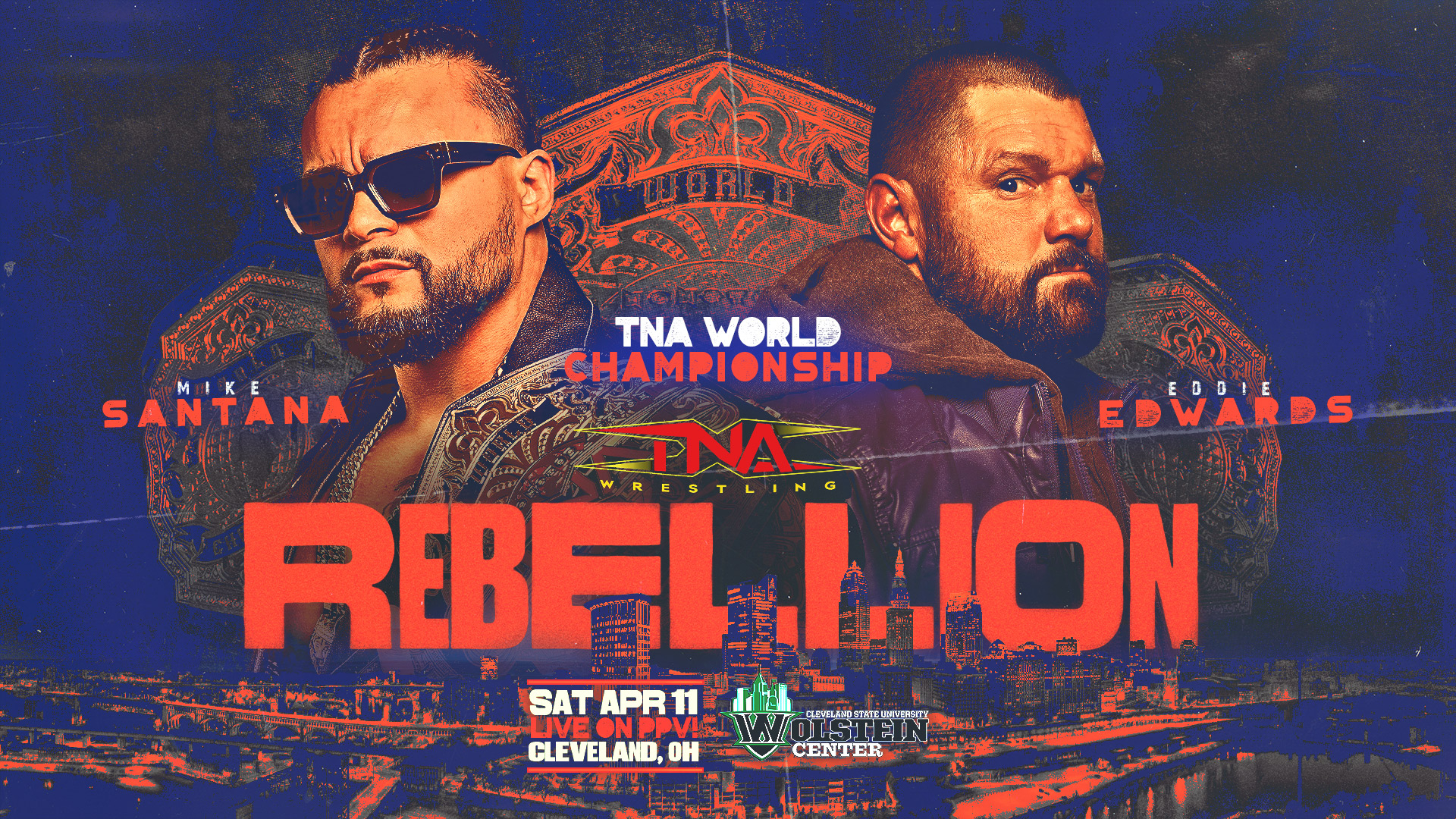
TNA Rebellion 2026 hit a significant snag this week as an injury involving Alisha Edwards fundamentally altered the card. The situation, which unfolded during a high-stakes sequence, has left creative staff in a defensive posture only days away from one of the company's biggest shows of the year. The primary impact centered on how this distraction played out at ringside.
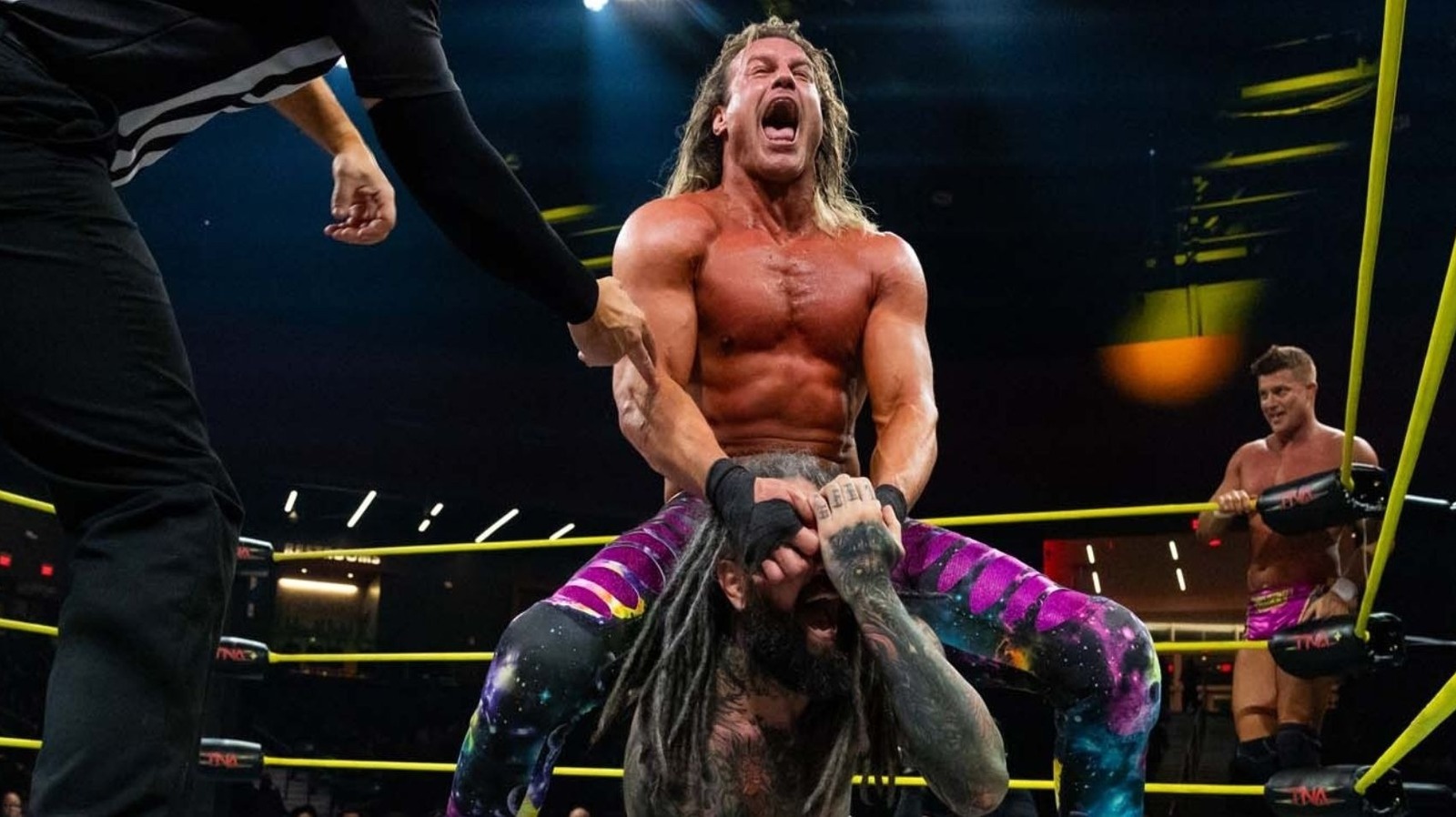
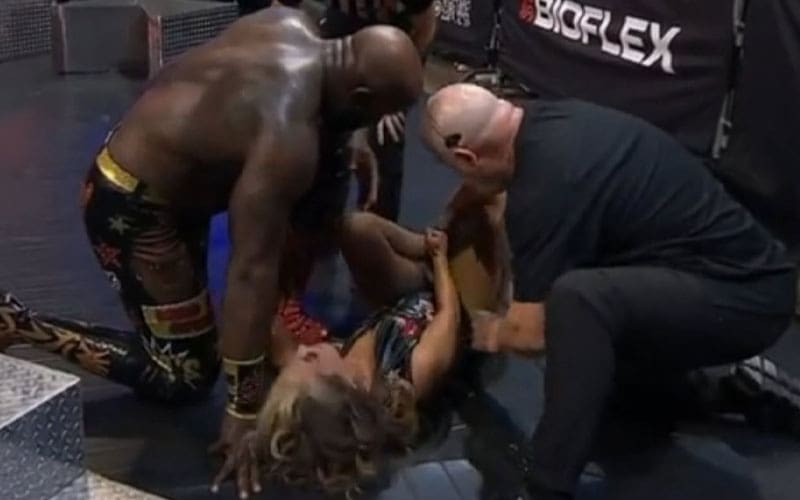
Moose was effectively positioned to secure a win before the situation spiraled. The medical personnel at ringside intervened after Alisha Edwards was sidelined, forcing an abrupt shift in the match flow. This sequence ultimately cost Moose his opportunity, as the disruption proved too great to overcome. According to reports from Ringside News, the incident turned a tactical advantage into a total loss for the competitor.
The medical ripple effect in professional wrestling
In-ring medical scares create a massive logistical hurdle for production crews. When a manager or ringside figure requires immediate evaluation, officials often call for a finish change in real-time to prioritize safety over original booking plans. This reactive booking frequently leaves fans frustrated when a match fails to reach its intended conclusion.
History provides plenty of examples where unscheduled stops impacted major main events. When a talent is taken out of commission, the referee must signal for the bell immediately. This procedure, while necessary to prevent further harm, often leaves the remaining participants in a precarious position. Management must now decide if the loss for Moose stands or if they attempt a rematch on television next week.
Strategic damage and the TNA roster integrity
The loss of an active ringside presence like Edwards removes a critical layer of psychological storytelling. Managers serve as both distraction tools and character anchors. Without them, the dynamic of an entire match changes. The promotion now faces the daunting task of re-integrating these stories before the cameras roll.
Beyond the immediate result, there is a recurring critique regarding how often interference-heavy matches end in disqualification or referee stoppages rather than clean pins. Booking a finish around a medical incident is perhaps the most difficult angle to balance. It forces the audience to shift from watching a planned narrative to worrying about the actual health of the performer, effectively killing the heat.
Rebellion's outlook following the scramble
With WrestleMania 41 looming on the horizon for April 19, TNA has a very small window to recover their momentum. The competitive nature of the April wrestling calendar means any missed step in execution is magnified. If the creative team cannot tighten these matches, the upcoming card may struggle to maintain its promised intensity.
The booking mistake here isn't the injury itself, which is unavoidable, but the reliance on ringside chaos to drive the finish. When every match hinges on outside interference, the card suffers a lack of individual stakes. The company should investigate whether these roles need to be scaled back to ensure more consistent match results, especially on premium live events where fans expect decisive conclusions.
The recovery timeline for Edwards remains fluid, pending further medical imaging. Until she is cleared for physical activity, the creative team will likely avoid scheduling high-spot sequences that mandate her involvement. This creates a 4 to 6 week window of potential inactivity for the act, provided there are no complications during the recovery phase. Every department within the promotion is currently adjusting to these shifting variables before the next tapings.