Tag team wrestling returns to a state of flux
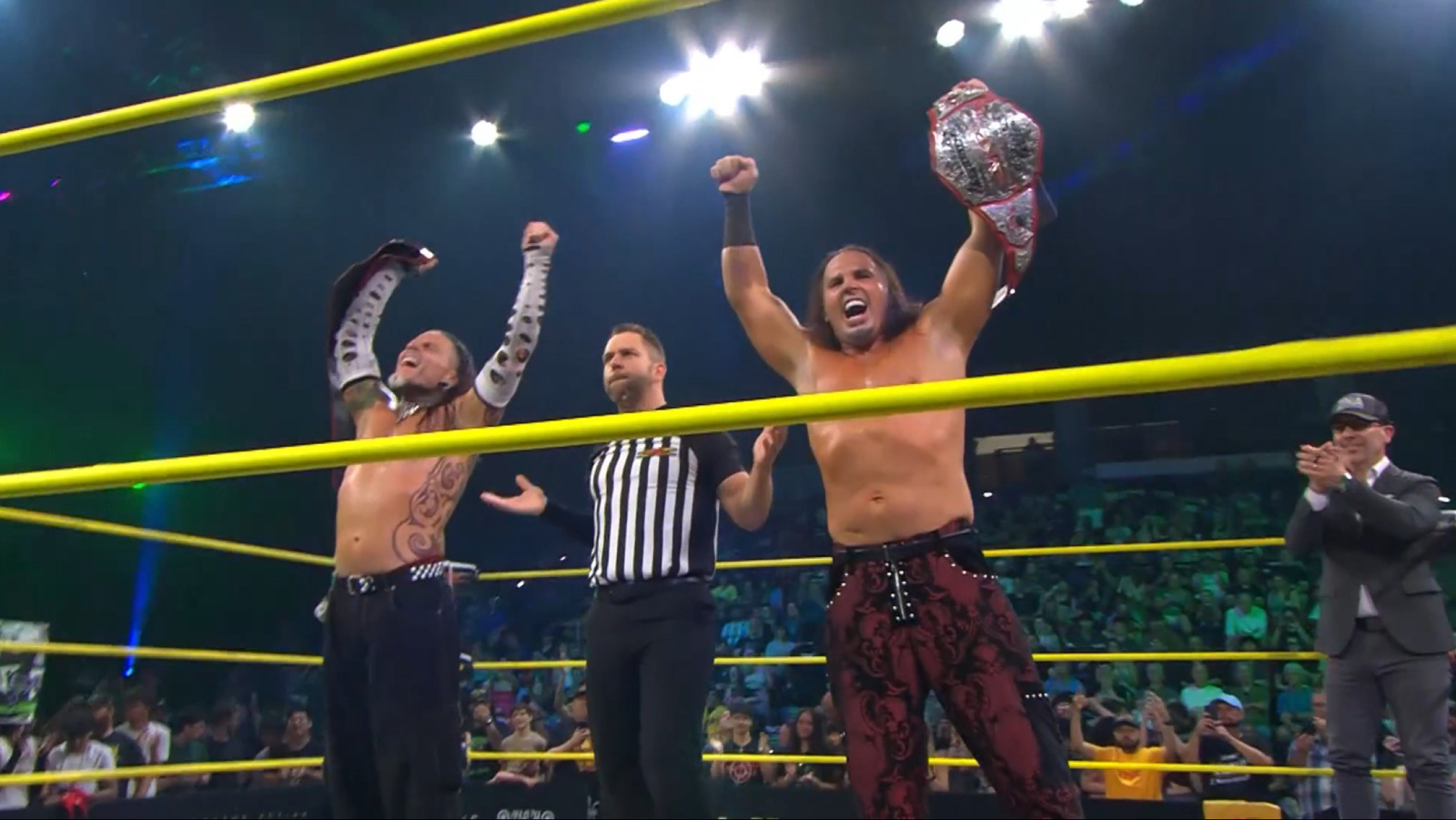
The TNA World Tag Team Championship landscape shifted this past weekend at Rebellion. A 265-day reign reached its natural conclusion, and the promotion finds itself at a tactical crossroads. The Hardys provided a steady hand atop the division, but their departure from the summit forces a change in pace.
The shift represents a move away from legacy names toward a more volatile, high-velocity style. Watching the tape, it is evident the division suffered from a stagnation of tactics. The matches became predictable, often relying on nostalgia cycles rather than distinct movement patterns or evolving finishing sequences.
Tactical flaws in the recent title picture
Look at the tape from the last four months. The matches featured too many instances of wrestlers standing around while waiting for spot-heavy sequences to reset. This is a recurring issue in modern tag team wrestling that sacrifices internal logic for visual impact.
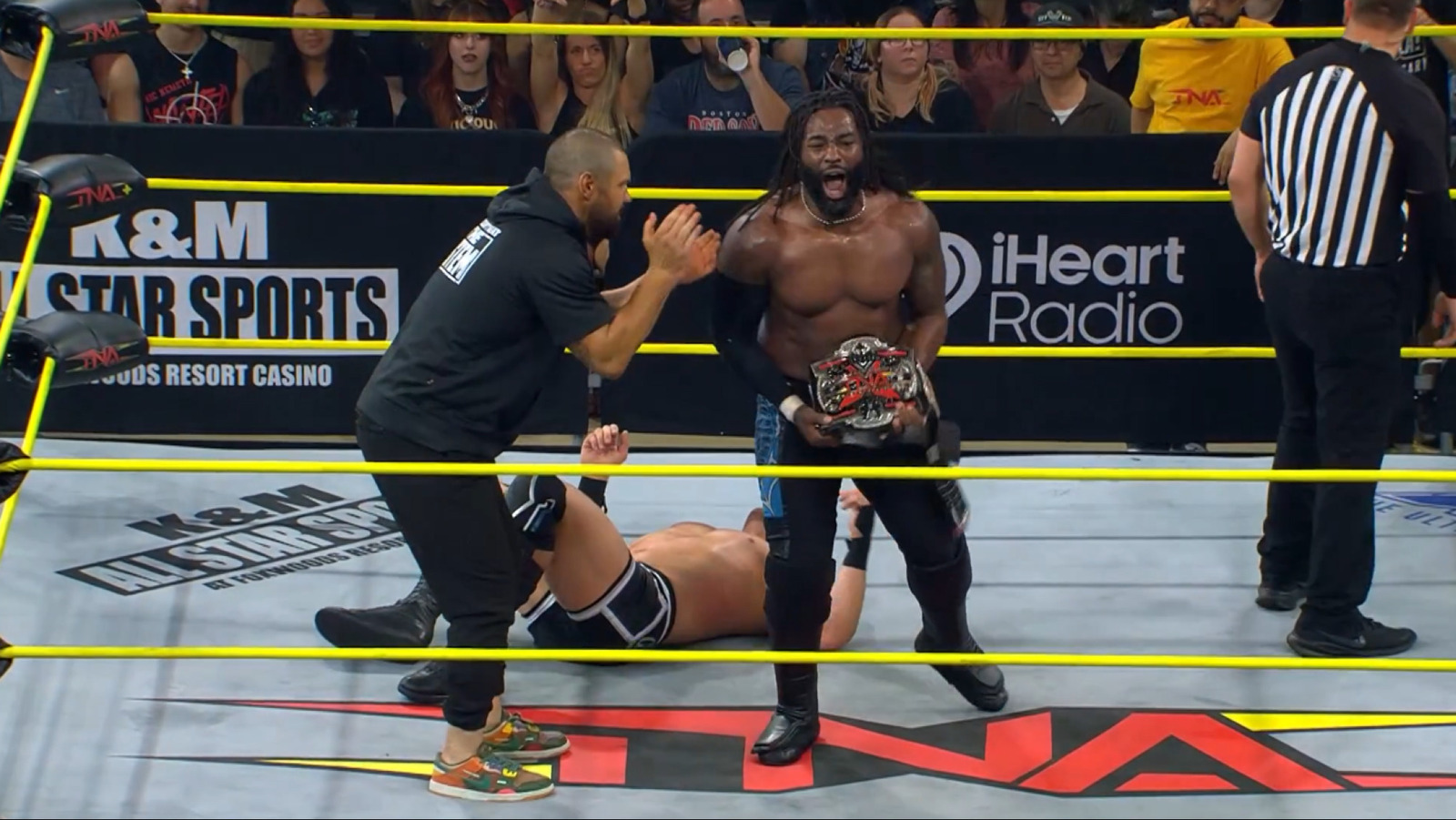
Specifically, the closing stretch of the Rebellion championship bout showed a glaring defensive lapse. There was a failure to cut off the ring or isolate the legal man, which allowed for the inevitable interference that ultimately decided the fall. When you concede the center of the ring, you concede the match.
This is not a slight against the performers, but against the structural choices. High-risk maneuvers should be the culmination of a tactical buildup, not a substitute for it. The incoming champions face a division that is currently allergic to fundamental ring positioning.
Changing the defensive identity
The next few weeks will prove if the promotion can establish a defensive hierarchy. Without a team consistently forcing opponents into disadvantageous positions, the division becomes a series of disjointed exhibitions. The roster needs to prioritize the 619-style technical exchanges over standard brawls.
Expect the new champions to face an immediate challenge regarding their pacing. They need to differentiate themselves from the previous guard by shortening the gap between offensive bursts. If they continue to allow 20-minute pacing in matches that only require twelve, they will lose the crowd's focus by May.
One critical observation: the refereeing throughout the spring has been inconsistent regarding tag rope enforcement. If they do not clean up the blind tags and illegal entries, the quality of these matches will suffer. A technical wrestling promotion cannot function when the rules are applied selectively.
The upcoming clash at the top
We are six days away from the title change fallout, and the booking office is quiet. This silence is risky. If the new champions do not establish their character work before the next pay-per-view cycle, the belts will lose the prestige they held under the previous regime.
My prediction for the division? A turbulent two months where the championship changes again by June 15. The current structure is too unstable to support a long-term anchor. Unless the promotion pivots to a more rigid, ground-based defensive style, we will continue to see these titles flip like a coin in search of a steady hand.