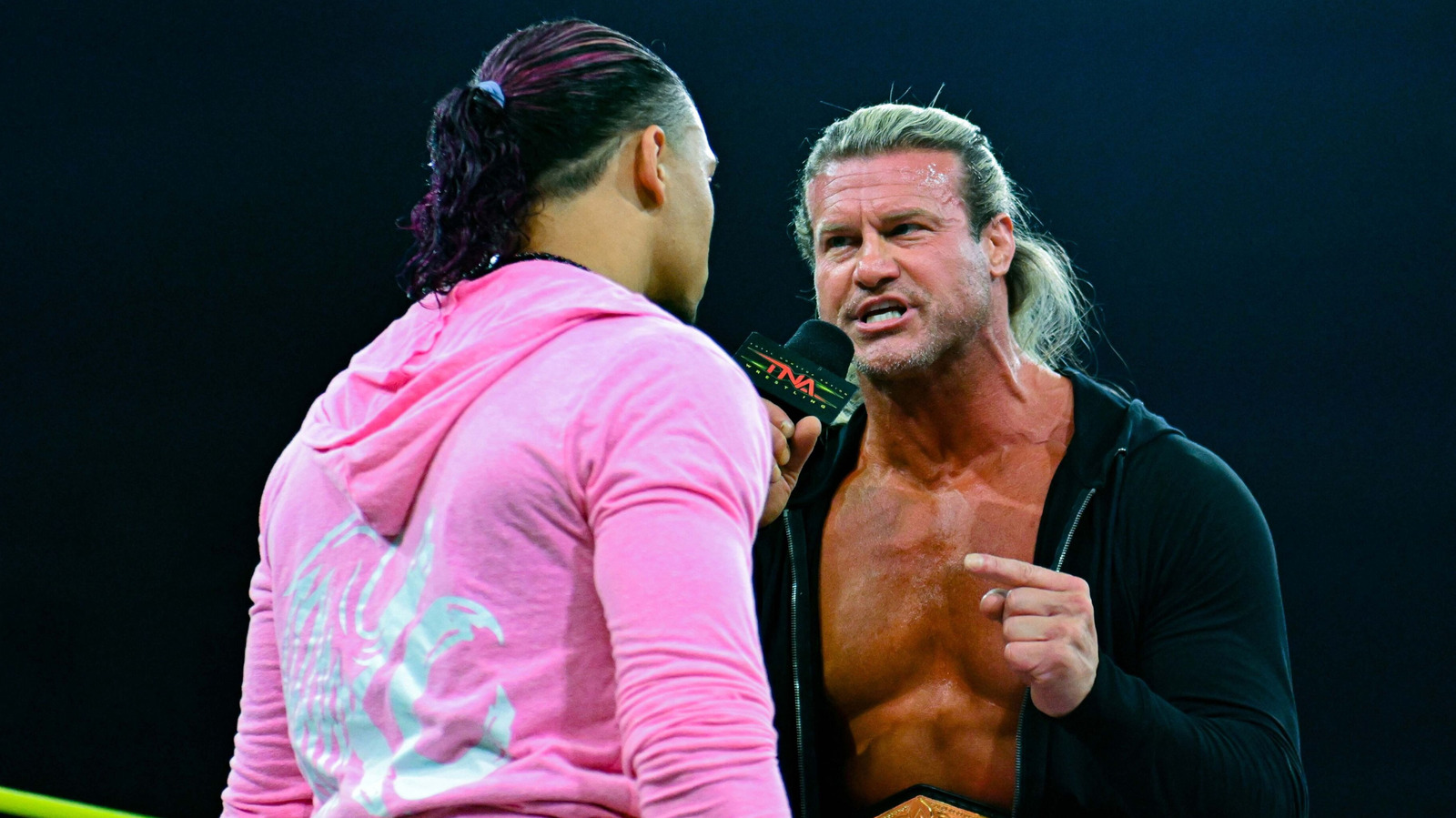
TNA is betting that gimmick matches can solve its identity crisis
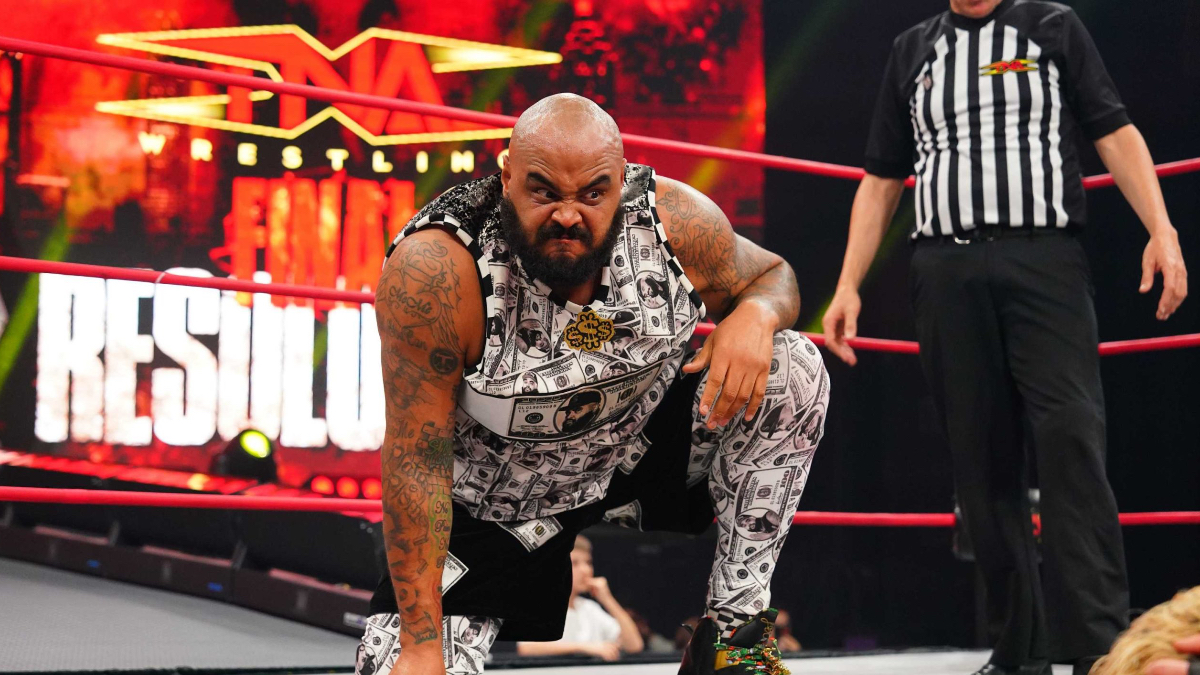
The gimmick dependency of modern TNA
TNA returns to the screen tonight with a lineup centered around the inaugural Wicked Garden match. It is a desperate, fascinating swing for attention. In a professional wrestling space dominated by the hyper-produced reality of WWE and the relentless in-ring workrate of AEW, TNA consistently reverts to the gimmick match as its primary narrative engine. This tactic, while historically rooted in the promotion's DNA, feels increasingly like a defensive measure against a shrinking market share.
Looking back at the archive, the 2006 era relied on similar structural crutches. On April 8, 2006, as PWTorch records indicate, the booking room was already leaning on massive multi-man stipulations to build heat between Sting and Jeff Jarrett. Two decades later, the reliance on high-concept matches to sell a Thursday night episode suggests that the creative team struggles to build tension through standard athletic storytelling.
The intersection of celebrity and spectacle
The promotion is also folding AJ Francis into the broadcast, transitioning him from purely wrestling-focused segments to a live performance role. This is a clear attempt to cross-pollinate with music media, yet it risks diluting the product's focus. Wrestling history is littered with musical interludes that stall momentum, interrupting the logical progression of the card for five to ten minutes of filler.
The announcement that AJ Francis will perform live, as recently confirmed, shows that TNA is hunting for virality outside of traditional wrestling circles. If the goal is to bridge the gap between niche wrestling viewership and broader pop culture, the result must be seamless. More often than not, these segments trigger awkward pacing, pushing the technical talent into the background for artists with little connection to the active narratives.
The dangerous allure of organic anarchy
The current appetite for "unscripted" conflict has clearly influenced modern booking. We see promotions chasing the feeling of an unplanned brawl, hoping to mimic the viral success of high-stakes, off-script friction. LA Knight famously noted that the unplanned brawl he shared with AJ Styles prior to their WrestleMania 40 encounter was an attempt at capturing pure, raw emotion. As LA Knight revealed, even the wrestlers themselves are trying to navigate how much chaos the office will tolerate before the script takes priority.
TNA seems to be chasing that same intensity with the Wicked Garden. They want stakes that feel permanent and environments that feel hostile. However, there is a fundamental difference between a genuine, heated rivalry spilling into the lobby and a boardroom-approved match type labeled with a vague aesthetic. One is theatre; the other is a genuine risk that can define a career.
A critical look at the current path
The primary issue facing Impact today is the lack of a defined central thesis. When you lean this heavily into the Wicked Garden concept, you place the entire weight of the episode on a gimmick rather than on a marquee rivalry that has been built for months. This is short-term math. By the time the final bell rings in this specific bout, TNA must ensure they have actually advanced a character arc, or they run the risk of becoming a variety show that happens to have a ring in the center.
As PWInsider documented in the latest preview, the roster is capable of high-level work, but they are often trapped in booking paradigms that prioritize the match graphic over the character motivation. A gimmick match should be the culmination of a story, not the story itself. If TNA fails to ground these high-concept matches in genuine human conflict, the 0.5 percent of fans looking for deeper storytelling will continue to drift toward competitors with more coherent long-term planning.
Ultimately, TNA is attempting to create a spectacle without the budget or the narrative patience of its wealthier rivals. It is a high-wire act. If the match delivers, it is a win for the production team; if it fails, it leaves the company looking like a group trying to solve 2026 problems with 2006 solutions.
Frequently Asked Questions
What is the Wicked Garden match in TNA?
How does TNA hope to gain broader media attention?
What is the primary criticism of TNA's reliance on gimmick matches?
How has TNA's booking strategy changed since the 2006 era?
Why do wrestling promotions chase unplanned, chaotic brawls?
More Coverage

AEW Collision is caught in a holding pattern while everyone waits on the main event
20 minutes ago
WWE’s poaching strategy is shifting the power balance again
44 minutes agoNXT's street fight gamble and the rest of this week's wrestling slate
53 minutes agoTNA is spinning in circles while the fans wait for a real main event
2 hours agoNWA Powerrr is trapped in a creative time warp
3 hours ago
Triple H's creative autonomy faces a real test at SummerSlam
3 hours agoMore Analysis
TNA is playing a dangerous game with its current booking momentum
3 months, 2 weeks agoTNA Impact needs more than a hot opener to stabilize their trajectory
1 month, 2 weeks ago
TNA is spinning its wheels while the rest of the industry accelerates
1 week, 3 days agoTNA is playing a dangerous game with this Champions Challenge
1 month, 3 weeks ago