The talent acquisition cycle reaches a critical point
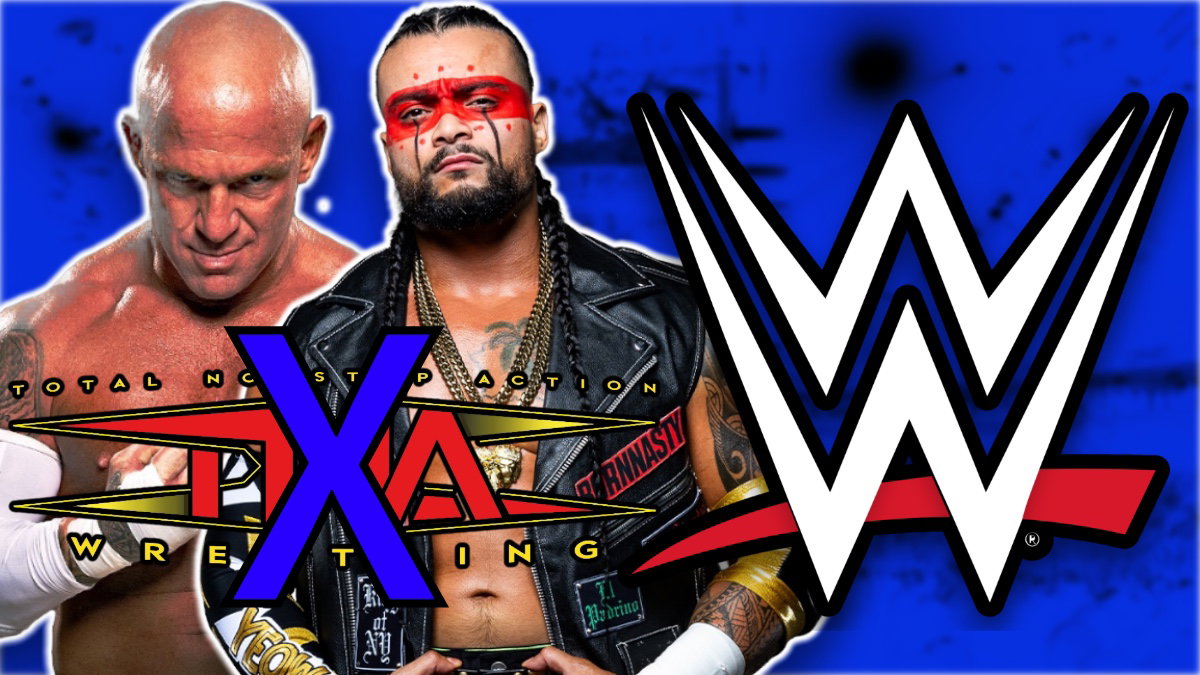
The movement of personnel between WWE and the remainder of the industry rarely follows a linear path. We have seen a steady influx of names transitioning from TNA Wrestling to the Stamford banner, creating a noticeable flux in both rosters. Names like Joe Hendry and Jordynne Grace highlight the current recruitment priority, signaling a shift toward talent that already possesses established television leverage before signing their contracts.
This isn't merely about hoarding options. It is a strategic calculation regarding the readiness of incoming performers. For years, the developmental process required a heavy investment in green talent. By targeting industry veterans, WWE bypasses the introductory phases and moves straight to mid-card integration.
The Matt Cardona factor and professional mobility
The return trajectories of individuals like Matt Cardona and Chelsea Green provide a blueprint for modern wrestling autonomy. These athletes utilized the independent circuits to redefine their presentation, essentially forcing the market to recognize their increased value. Their return to WWE is not a regression, but an acknowledgment of their improved standing in the industry.
The business model has moved away from exclusivity being the only path to relevancy. Wrestlers now understand that building a personal brand elsewhere can yield a more favorable entry point. This creates a fascinating tension; the more successful these stars are on the outside, the more attractive they become to the industry leader.
The missed opportunity in long-term booking
There is a glaring flaw in this rapid-fire recruitment style. By prioritizing stars ready-made for the screen, the developmental pipeline suffers from a lack of consistent focus. When a roster is constantly supplemented with outsiders, the talent who spent three years in the Performance Center are frequently pushed aside. This creates a bottleneck that stifhes organic growth and forces premature call-ups.
We saw this frustration manifest in recent booking cycles where mid-card feuds lacked narrative momentum because the personalities kept rotating. A stable roster requires the kind of slow-burn investment that a 'sign-and-deploy' strategy simply cannot account for. If the company continues to prioritize established name recognition over homegrown development, the long-term impact on the secondary shows could become problematic.
The market outlook for late 2026
Expect the trend to persist as we head into the final quarter of the year. The sheer volume of talent moving from independent promotions to national stages is at a 15-year high. Wrestlers who can handle high-stakes segments without a lengthy learning curve are the new currency. Whether these athletes can maintain their individual nuance within the rigid production style of modern television remains the primary question.
My prediction for the remainder of this summer is aggressive. Expect at least two more major signings from the TNA circuit before the September 1st cut-off. WWE will continue to strip the middle class of the independent scene to ensure their own depth charts remain protected. While this guarantees high-quality matches on raw paper, it risks turning their secondary programming into a revolving door of guests rather than a cohesive story.