The grind of the three-hour format
AEW Dynamite on June 3, 2026, served as a stark reminder that more inventory does not equate to better television. When the show began, the energy was high, but the internal clock dragged heavily by the end of the second hour. High-octane matches require room to breathe, yet the current booking strategy prioritizes a relentless, breathless presentation that minimizes the gravity of championship bouts.
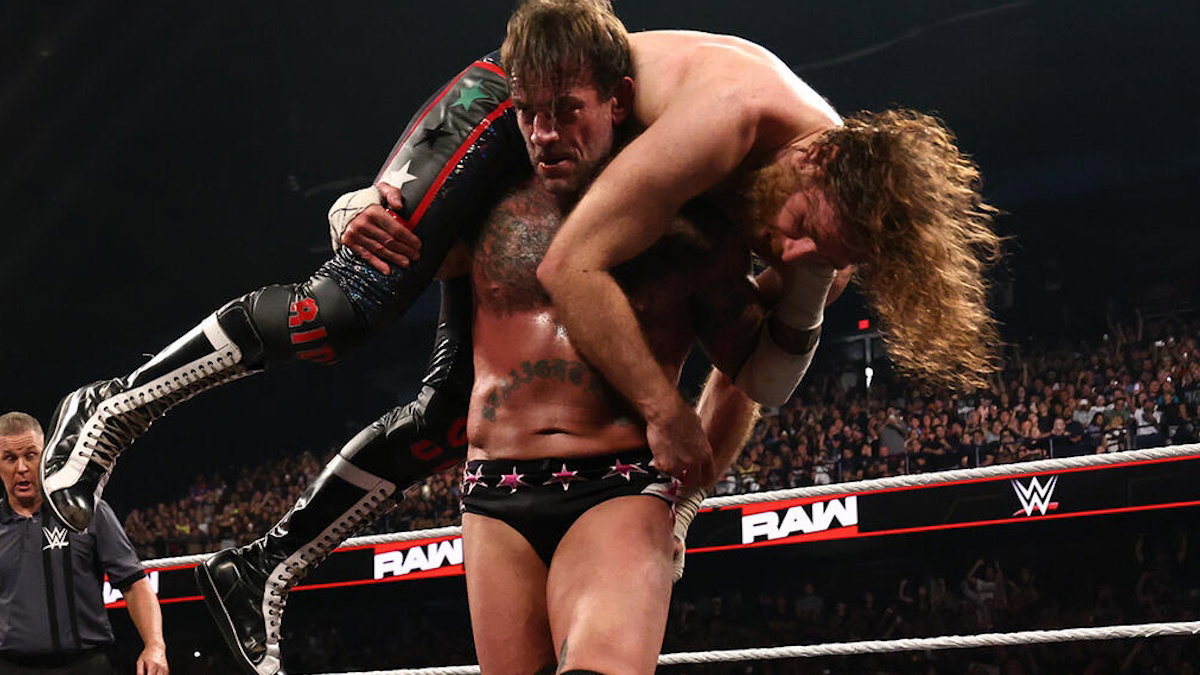
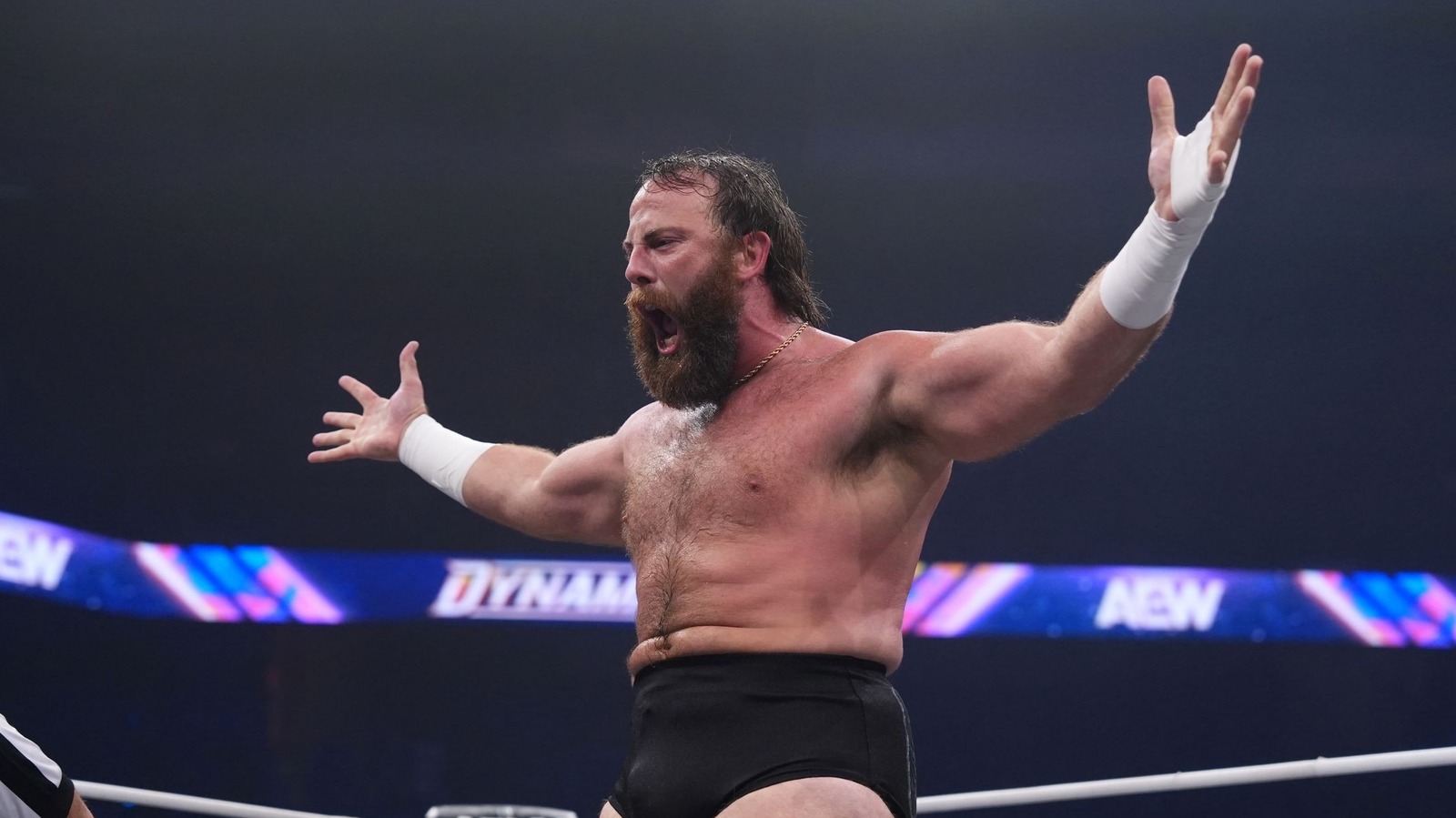
The recent batch of footage from June 3 highlights a roster working at 100 percent intensity across the board. While technically impressive, this creates a flatness. If every segment attempts to reach the climax of a pay-per-view main event, the audience loses the ability to differentiate between a standard build and a consequential blow-off.
The danger of diminishing returns
Consistency is the hallmark of a major wrestling promotion, but AEW is currently stuck in a cycle of repetitive patterns. Too many segments follow the beat-down-and-retaliation format, leaving little room for genuine character evolution. When the storytelling becomes predictable, the in-ring work feels hollow, lacking the stakes needed to keep viewers engaged for three full hours.
We have reached a point where the promotion is over-relying on high-spot frequency to mask structural voids. The audience can sense when a match is positioned merely to fill time, and the transition from one segment to the next currently lacks internal logic. The pacing issue is not just a stylistic preference; it is a fundamental flaw that compromises the integrity of the product.
Refocusing for the road ahead
Management needs to look toward the mid-year mark and overhaul the show flow. A tighter, more focused script would allow the technical work of the roster to stand out, rather than washing it out in a sea of unnecessary clutter. As our previous coverage noted, the company risks alienating viewers who demand more discipline in narrative delivery.
My prediction for the coming weeks is simple: if the current, bloated presentation continues, engagement metrics will slide further. Expect a move toward condensed main events or fewer, more consequential matches. I am betting the booking committee pivots to a tighter 90-minute core focus for high-stakes bouts, or they will continue to suffer from the exhaustion their own programming induces. The potential is there, but the execution is failing the talent currently carrying the heavy load.