The behind-the-scenes reality of Heyman’s recent run
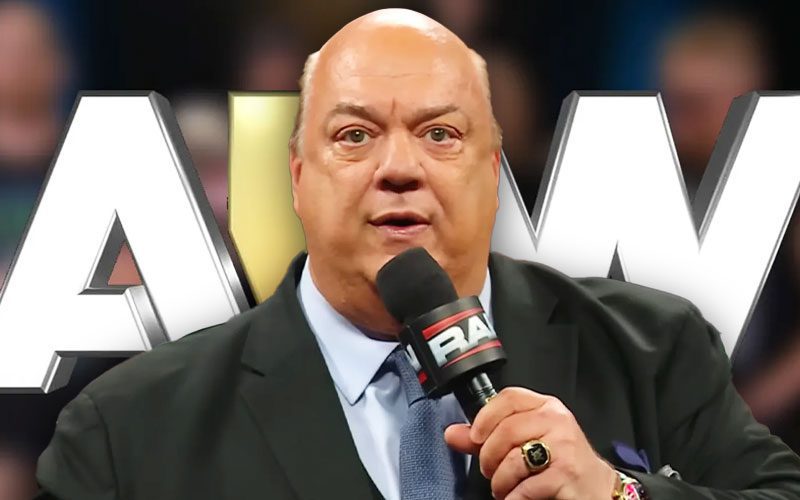
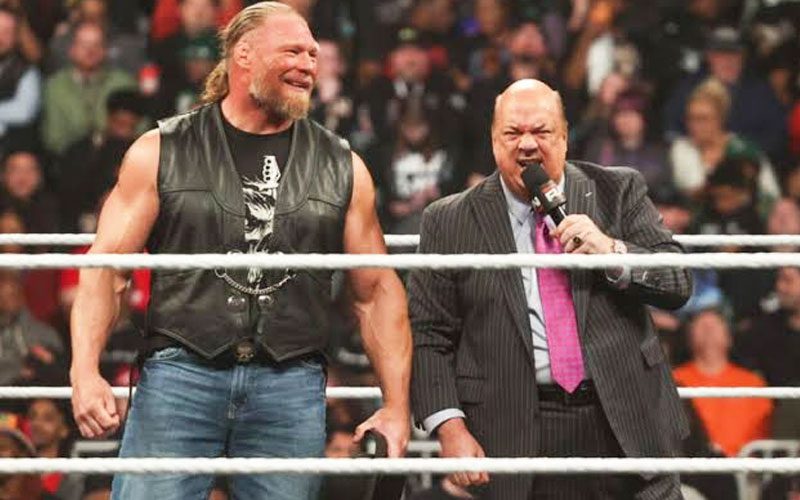
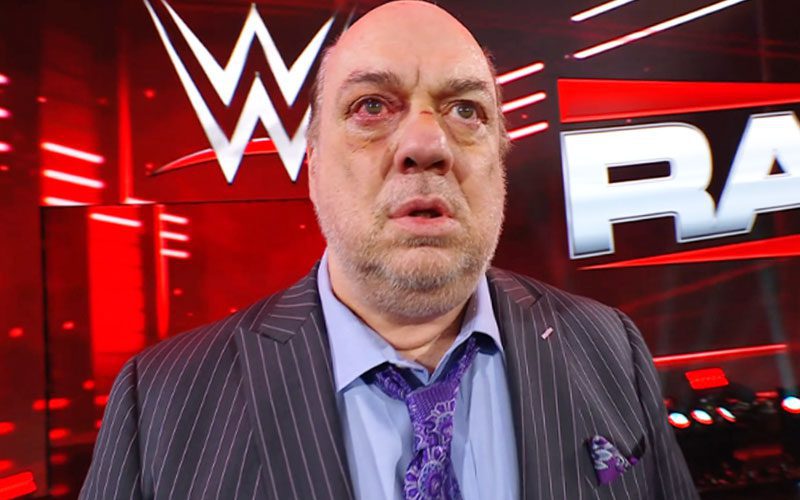
Paul Heyman has confirmed he performed his television duties on multiple episodes of WWE Monday Night Raw while fitted with a catheter and a PICC line. These medical devices are intended for acute health management, typically involving intravenous therapy or long-term fluid drainage. Performing under these conditions while traveling with a high-intensity professional wrestling production is unheard of in the modern era.
The physical toll on a performer operating with internal medical hardware cannot be understated. A PICC line, or peripherally inserted central catheter, provides direct access to a vein near the heart. Any physical altercations common in the wrestling sector, such as accidental bumps or high-velocity movement, pose a significant risk of infection or dislodgement of the line. Heyman’s decision to continue working in this state suggests a level of commitment that bypasses standard industry safety protocols.
Missing the guardrails
This situation invites scrutiny of the current procedures for athlete and talent wellness under the TKO Group Holdings umbrella. While WWE has historically maintained a strict drug testing protocol and baseline health checks, the presence of a performer on live television with such obvious, serious medical hardware suggests a breakdown in internal clearance. If corporate management was aware of the situation, allowing the performance to continue constitutes a major lapse in judgment.
We have seen similar scenarios in the past where performers downplayed severe ailments for fear of losing their spot on the card. The industry standard for concussions and spinal issues has improved greatly over the last decade, yet this incident highlights a blind spot regarding acute recovery. As reported by Ringside News, the revelation emphasizes that the physical danger is not limited to the performers taking bumps, but extends to those active in the intense, high-travel environments of live broadcasts.
The strategic implications
Heyman acts as a linchpin for both the Bloodline narrative and various high-profile programs. His value to the broadcast is undeniable, as evidenced by his longevity as an advocate and manager. However, substituting health for continuity at this high level is a short-term gain that invites long-term regulatory pressure. If a talent collapsed on live air due to complications from equipment they were known to be carrying, the corporate liability would be immense.
Competitors and stakeholders are currently watching how WWE handles this internal reporting issue. The lack of proactive, public acknowledgment from the organization creates a vacuum filled by speculation. This mirrors the early days of corporate wrestling where the show was deemed to take precedence over the physical status of even the most valuable assets. The company needs to define the boundary between professional dedication and medically dangerous activity.
The historical precedent for talent health
Wrestling history is littered with stories of workers finishing matches with broken bones or untreated infections. Yet those examples usually came from an era with fewer medical resources and lower levels of executive oversight. In 2026, the absence of a 'stop-loss' mechanism for a high-profile figure like Heyman reflects poorly on the backstage management team. The goal of any modern media entity should be the total separation of talent health from the requirements of the script.
We reach a point where dedication borders on reckless mismanagement of human capital. Critics have pointed out that no storyline carries enough weight to justify working with an active catheter. The medical risk of sepsis or thrombosis is too high for a television segment. Moving forward, the industry must decide if they are running a performance business or a hospital ward disguised as an arena.
The road to recovery
There is currently no official return date for Heyman to resume a full-time, high-travel schedule. Managing the infections or conditions that necessitated a PICC line typically requires extended rest and a controlled environment. For the sake of his health, silence from management should be interpreted as an indefinite leave until he is medically cleared by an independent physician. Expect the creative team to pivot significantly while they determine the long-term feasibility of his return. The stability of the current storylines will almost certainly face disruption as the dependency on an absent manager grows, bringing the reliance on specific figures to the forefront of the booking office's strategy.