The end of the Dreamer era
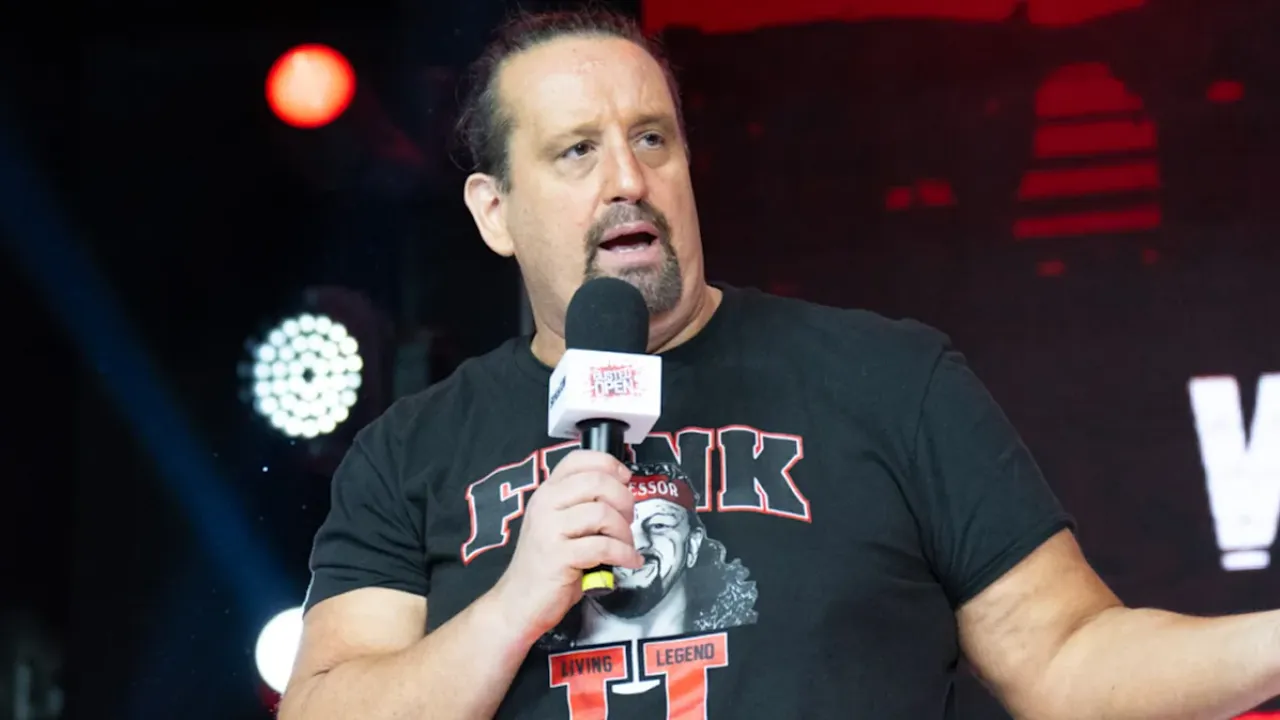
TNA Wrestling is currently undergoing a structural shift that feels less like a strategic pivot and more like a desperate scramble for stability. The vacuum left by Tommy Dreamer’s departure has triggered a flurry of backstage maneuvering. As noted by Eric Bischoff, the transition highlights the company's reliance on individuals with limited long-term creative experience.
Reports indicate that TNA hasn't wasted time attempting to plug the gaps. The promotion has moved quickly to integrate Delirious into the creative core. While some might see this as a fresh start, it is difficult to ignore the pattern of instability. When turnover reaches this velocity, character continuity suffers. You cannot build long-term momentum if the person holding the pen changes every fiscal quarter.
The talent exodus and the free agent shuffle
The roster is also feeling the tremor. Steve Maclin’s recent exit has turned him into one of the most discussed free agents of the summer. While he has expressed interest in Ring of Honor, his departure signals a broader issue. When a promotion loses high-caliber workhorses, the mid-card talent depth diminishes. The loss of Sami Callihan, who recently spoke on the state of TNA creative, further highlights the frustration radiating from the locker room.
Meanwhile, the discourse surrounding these exits has become remarkably toxic. AJ Francis recently criticized the fanbase for their performative grieving regarding Dreamer’s exit, arguing that the public sentiment is largely fabricated. Whether or not you agree with Francis, the noise surrounding these departures is drowning out the actual in-ring product. Wrestling promotion is a fragile business, and right now, the signal-to-noise ratio in TNA is dangerously low.
The search for identity
Looking ahead, the promotion faces an identity crisis. With Al Snow publicly advocating for the addition of high-profile free agents like Tessa Blanchard to the roster, the temptation will be to chase big names to mask internal disarray. This is a common fallacy. Bringing in a marquee name rarely fixes a broken booking process or a fractured vision. It serves only as a temporary ratings band-aid.
The real issue is the 100 percent turnover rate within the creative hierarchy. Stability in the writers' room is the backbone of any successful promotion. If TNA cannot rectify this, no influx of talent will matter in the long run. Watching their next few months will be a masterclass in how to rebuild a foundation while the house is still burning.
Expect the upcoming tapings to look disjointed as the new creative team attempts to reconcile existing storylines with their own preferences. My prediction? They will lean heavily on shock value and title changes to regain market interest before the end of the third quarter. It will be high-risk, low-reward television prone to misfires.