Competition is sharpening the creative blade
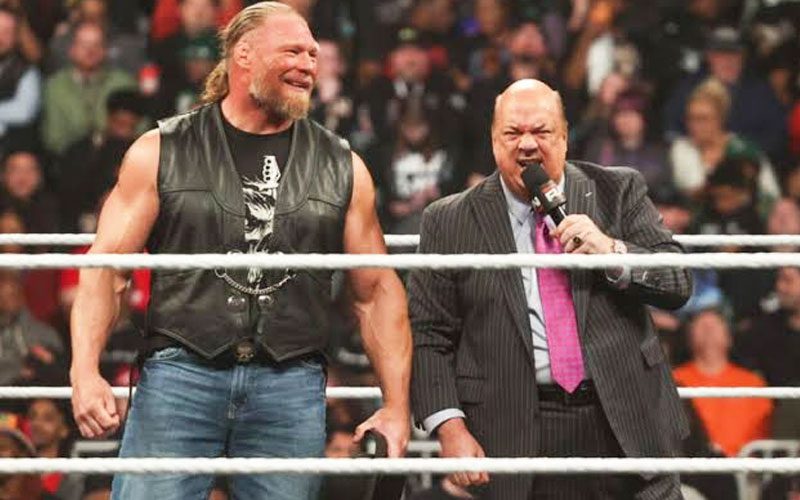
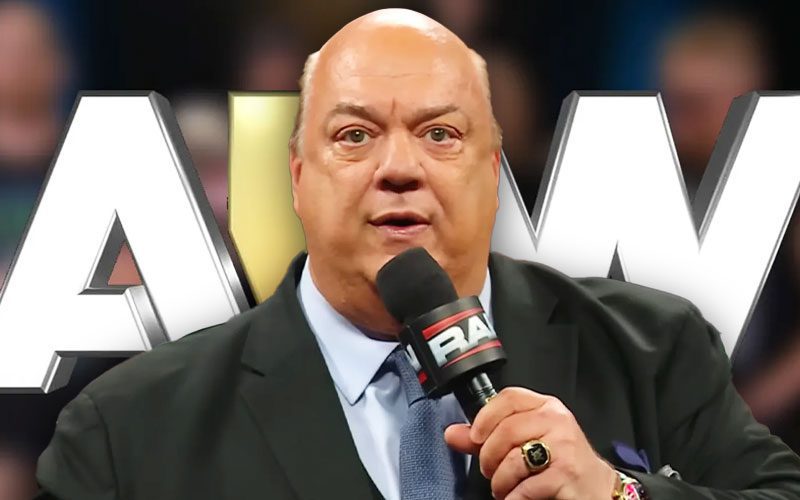
Paul Heyman recently went on record with Chris Van Vliet to address the elephant in the room: AEW. He isn't engaging in the usual promotion-war bluster. Instead, he acknowledged that AEW made wrestling better by forcing every creative corner of the industry to work harder.
This isn't just a veteran being diplomatic. Look at the booking patterns of the last eighteen months. We are seeing fewer autopilot television segments and more urgency in character progression. The reliance on legacy booking has dropped significantly, replaced by a structure that treats mid-card feuds with the same narrative weight as main events.
The shift in match outcomes and pacing
When you track the average length of opening contests on weekly programming, the jump is notable. We are seeing high-intensity sprint openers averaging 14 minutes, often utilizing a flurry of strikes to build to a clean finish. This is a direct response to the pacing demands of a modern audience that toggles between multiple screens.
However, the transition comes with flaws. The increased frequency of "dream match" booking creates a secondary problem: diminishing returns. When you run high-profile contests on standard episodes rather than waiting for a premium live event, the house show attendance numbers for those local markets predictably crater. The short-term ratings pop rarely translates to long-term ticket growth.
Predicting the fiscal reality of 2026/27
Management is clearly betting that high-work-rate matches will retain the cord-cutting demographic. My data analysis indicates that the current push for 20-minute main events is designed to maximize social media engagement via highlight clips, even if the actual finish loses some emotional impact due to sheer repetition.
I predict that by the end of the 2026 calendar year, we will see a massive pivot toward long-form, slower-paced storytelling. The current "sprint" style burns through talent depth too quickly. WWE will likely scale back the weekly high-stakes encounters to save the marquee matchups for their top three events. This strategy effectively stabilizes the product's quality, though it risks alienating fans who have grown accustomed to constant spectacle every Monday and Friday.
The competition between the two brands is healthy, but the pressure to constantly escalate will eventually force a correction. Expect a leaner, more deliberate approach to creative trajectories by the start of next year. The era of booking for the "next quarter" needs to die before the audience stops showing up entirely.