TNA and AEW storylines are caught in a creative identity crisis
The grind of the booking sheet
April is always a grueling month in professional wrestling. With AEW Dynasty looming, the promotion is trying to balance star power with logical progression. The announcement that Jamie Hayter is challenging Thekla for the Women's World Championship is evidence of a promotion leaning into established, proven commodities rather than taking risks on new variables.
It is a safe move, certainly. Thekla has been a force since securing the title, but this booking feels like a retreat to familiar territory to guarantee a high-floor match quality. While Hayter vs. Thekla will undoubtedly deliver, it suggests that AEW’s creative team is struggling to build contenders who feel as credible as the champion herself.
TNA and the weight of internal anxiety
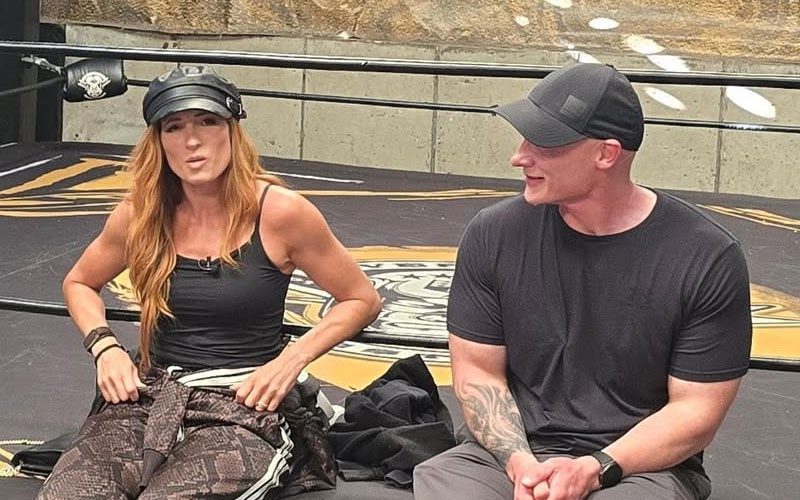
Over in TNA, the narrative is markedly different. Recent reports confirm that John Skyler and Jason Hotch, known as The Great Hands, were genuinely concerned about their job security before aligning with Mustafa Ali in Order 4. From an analytical perspective, this adds a layer of desperation to their ring work that is rare to find in modern wrestling.
When performers are fighting for their livelihoods, it changes the geometry of how they sell and how they pace their matches. The shift in their presentation since the alliance isn't just cosmetic; it is survival. Watching them operate now, you can see how their movement patterns have tightened, moving away from aimless high spots into high-percentage tactical strikes that protect their spot on the roster.
The paradox of longevity
Then we have the outlier: Mike Jackson. At 76 years old and boasting 57 years of experience, he recently stated he is in superior physical condition compared to when he was 26. While that defies every traditional athletic norm, it highlights a recurring issue in how promotions handle veteran talent. We celebrate longevity, yet we rarely integrate these legends effectively.
Mike Santana is currently at the opposite end of that spectrum, serving as the TNA Wrestling World Champion for the second time. He occupies a role that demands consistency and poise. He is tasked with being the face of the organization, yet TNA still struggles to provide him with a consistent, long-term narrative direction. Being trusted to represent the promotion is one thing, but that trust must be supported by a creative engine that doesn't stutter on a weekly basis.
Booking consistency remains the primary failure
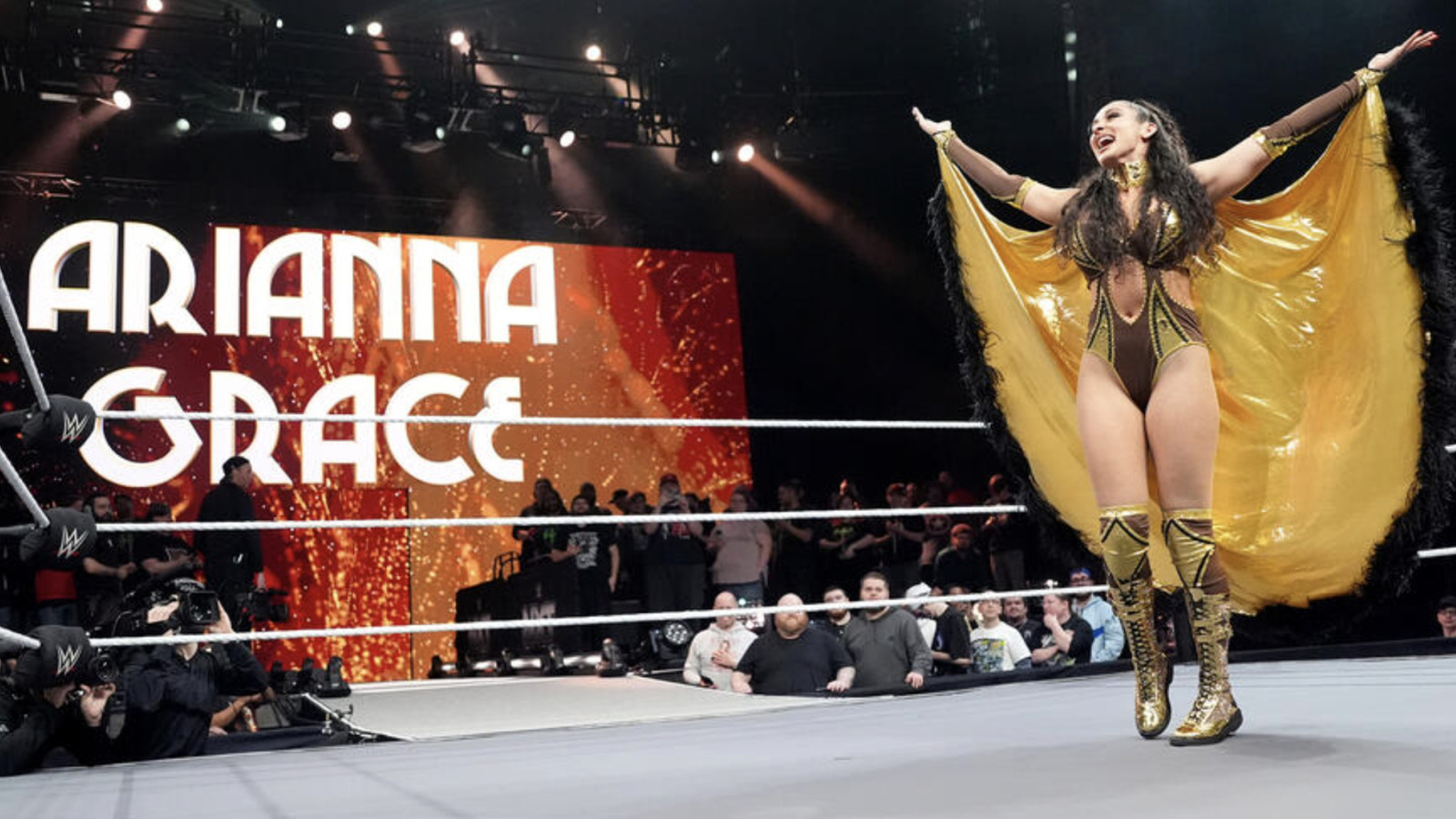
The Thursday Night iMPACT results from April 2 show a promotion trying to do too much. Whether it is a bunkhouse match or a high-stakes Knockouts title defense between Arianna Grace and Xia Brookside, TNA often treats every episode like a blowoff for a major feud. This flattens the emotional stakes.
When you attempt to cram high-stakes stipulation matches into a standard weekly slot, you rob the fans of the chance to see a story breathe. The Bunkhouse match, specifically, felt like a shortcut to drama rather than a culmination of a blood feud. It is a recurring flaw in the booking philosophy that prioritizes the visual of a weapon or a chaos-filled ring over the slow, agonizing friction of a real human rivalry.
- TNA Knockouts division remains the most reliable part of their programming.
- AEW relies too heavily on returning veterans to carry main-event slots.
- Mid-card teams like The Great Hands are finally finding a distinct voice through stable dynamics.
Ultimately, these promotions are operating with conflicting goals. AEW is playing it safe to maintain its status, while TNA is throwing everything at the wall to see what keeps the viewership tethered. Neither approach is perfect, and both leave significant segments of their rosters underutilized. As we head into the summer, the math for both promotions is getting increasingly difficult. Relying on the same names and the same tropes won't suffice when the audience is increasingly desensitized to standard mid-card booking. They need more than high-work-rate matches—they need a reason to tune in next week that doesn't involve a surprise return or a sudden gimmick match.
WWE Jey Uso YEET Authentic T-Shirt
Join the YEET movement with Jey Uso's viral catchphrase tee.
Frequently Asked Questions
Why is AEW's decision to book Jamie Hayter vs. Thekla considered safe?
How did job security concerns impact John Skyler and Jason Hotch?
What is the primary creative problem facing TNA's current storytelling?
What challenges does Mike Santana face as the TNA World Champion?
What does Mike Jackson's longevity represent in modern wrestling?
More Coverage
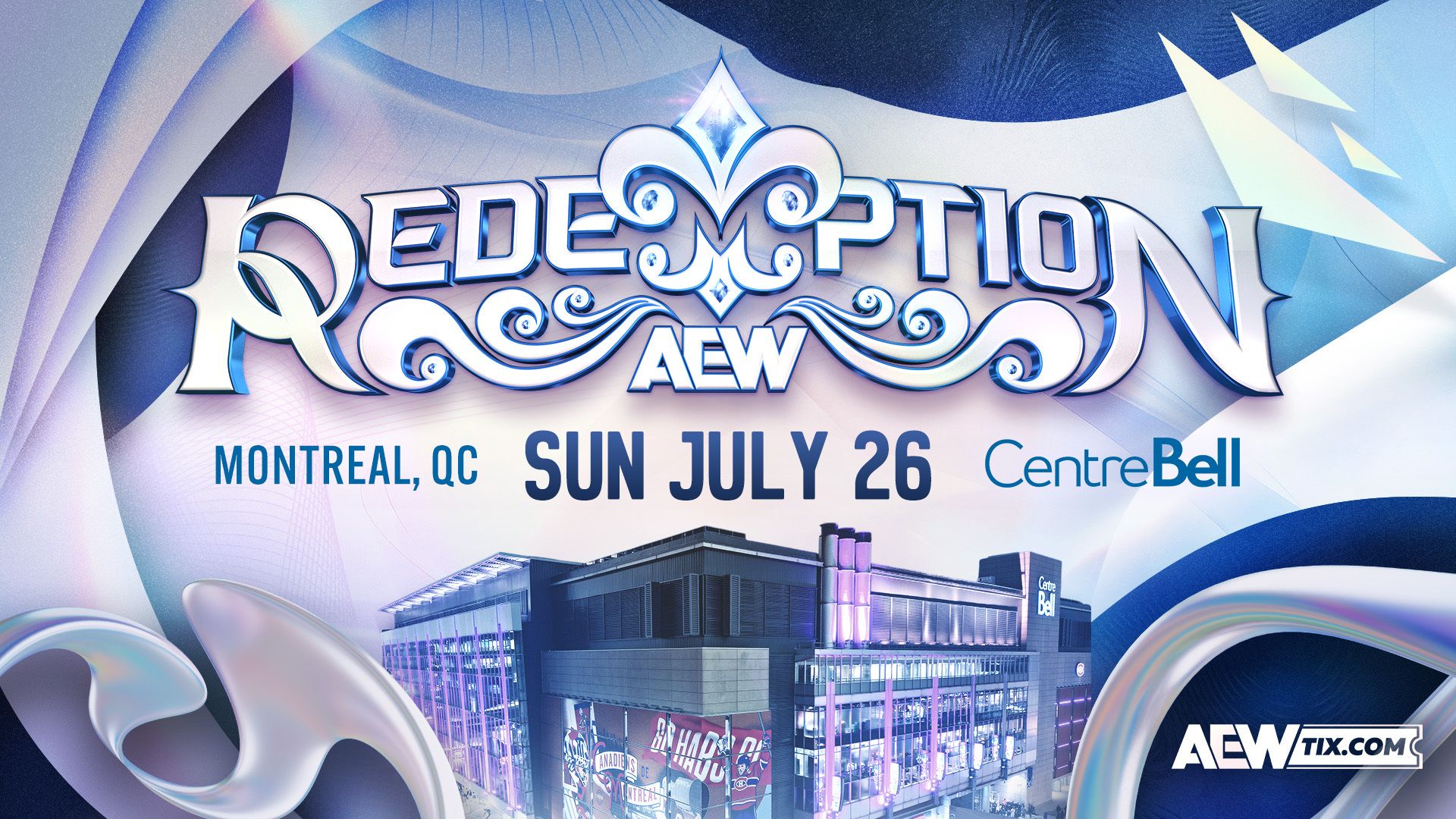
AEW Redemption moves toward a high-stakes turning point
5 hours ago
Is Tommaso Ciampa eyeing an AEW jump after the Jericho feud?
12 hours agoTNA is turning the 2300 Arena into an absolute bloodbath
12 hours ago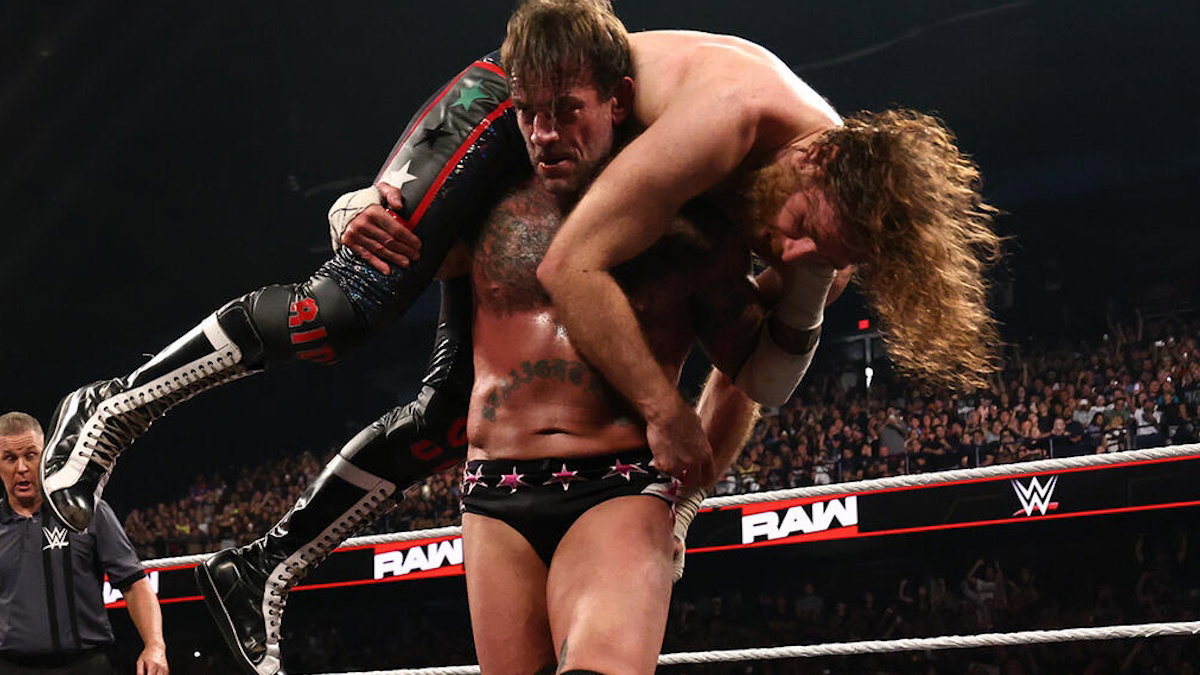
Why Triple H is gambling on Nick Aldis in the ring
12 hours ago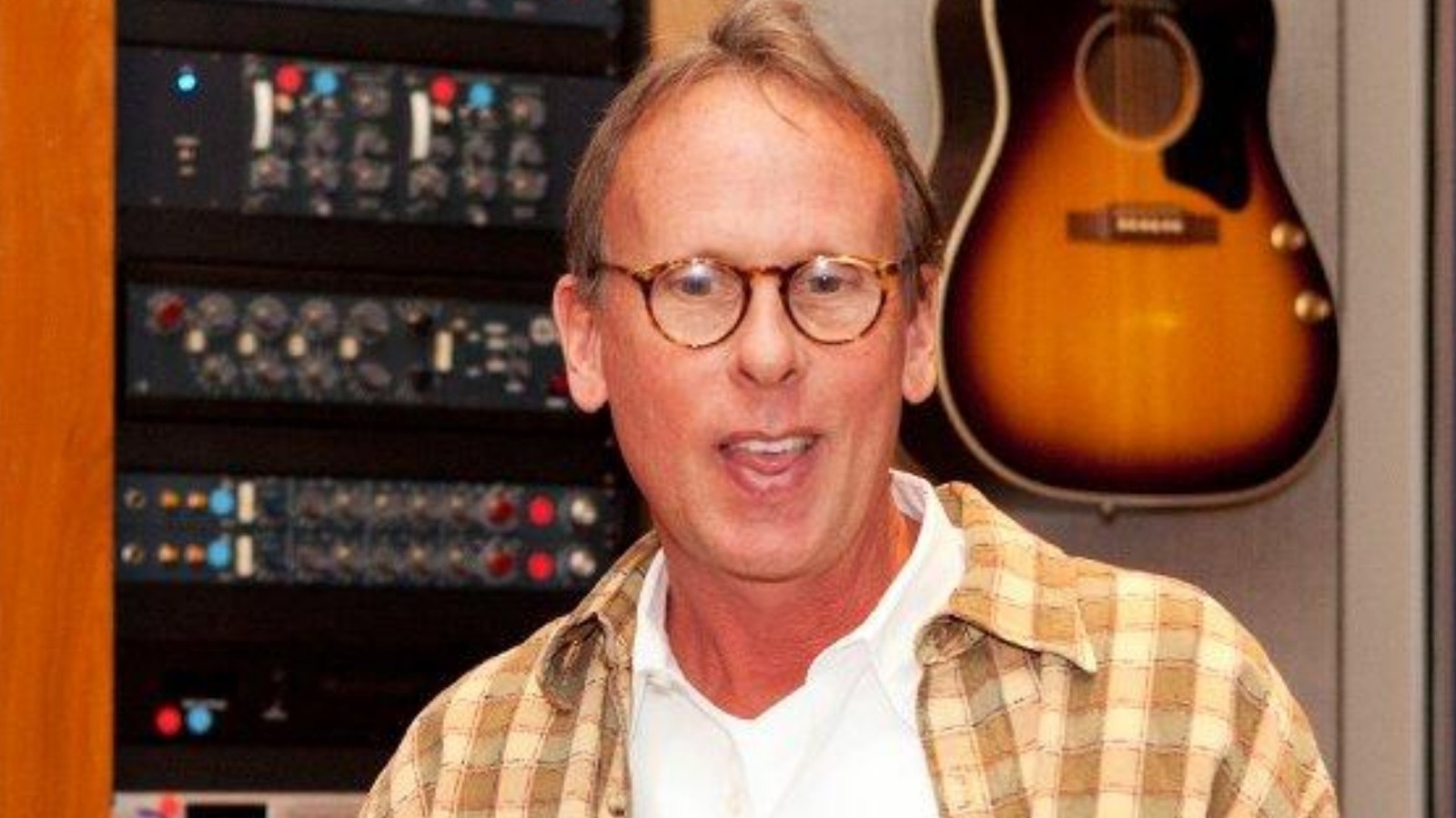
Why Jim Johnston’s silence was his competitive advantage
13 hours ago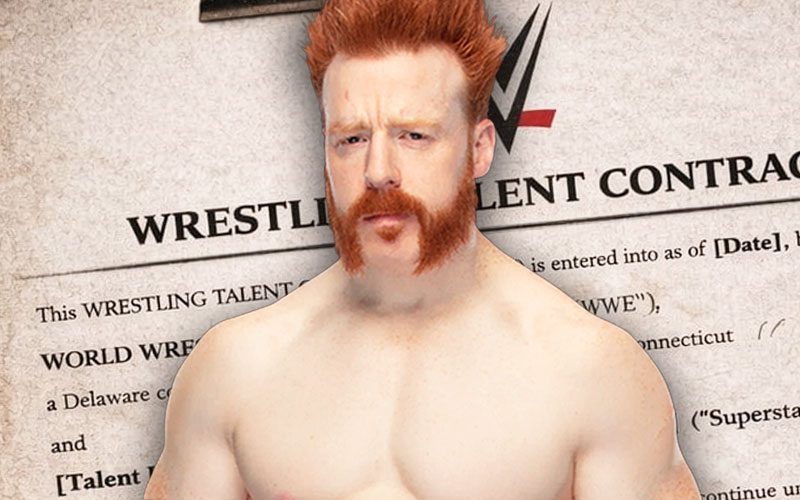
Top 10: WWE’s Most Defining Seconds of 2026
13 hours agoMore Analysis
TNA is playing a dangerous game with its current booking momentum
3 months, 2 weeks ago
AEW's roster bloat is masking a deeper creative rot
1 month, 1 week agoTNA is playing a dangerous game with its current booking patterns
1 month, 3 weeks ago
TNA is spinning its wheels while the rest of the industry accelerates
1 week, 3 days ago
TNA is playing a dangerous game with its thinning roster
3 days, 6 hours ago