
Why Jim Johnston’s silence was his competitive advantage

The myth of the collaborative entrance theme
In a world where professional wrestling often mistakes backstage proximity for artistic insight, Jim Johnston pursued a radical alternative. For decades, the primary architect of WWE's soundscape operated behind a veil of professional detachment. He recently confirmed that he intentionally avoided fraternizing with the performers he scored.
This seems counterintuitive. Surely, to capture the essence of a character like Stone Cold Steve Austin or The Undertaker, you need deep conversations with the man behind the persona? Johnston argues the opposite. He suggests that the performer's own interpretation of themselves is often narrower than the archetypal reality a composer can distill from video footage.
The danger of personal bias
When a composer sits down with a wrestler for creative input, they inevitably inherit that performer's limited perspective. A wrestler might view themselves as a technician or a misunderstood hero; the audience, however, experiences the character through a different set of visual triggers. By removing the actor from the creative process, Johnston maintained an objective distance that likely refined the final product.
Think of the glass-shattering introduction for Austin. Had Johnston spent hours debating the nuances of "The Texas Rattlesnake" with the man himself, the composition might have become mired in specific biographical details rather than the raw, violent simplicity that defined it. The silence allowed the music to serve as a pure auditory signifier for the audience, untainted by the performer's ego.
Missing the chance for a critique
That said, this isolation strategy had its drawbacks. There is a perceptible disconnect in some of his mid-career work where the music fails to evolve alongside a character's heat-seeking trajectory. If you look at the stagnation of certain mid-card themes during the late 90s, some of those tracks feel like static background noise, lacking an understanding of how the wrestler moved or timed their dramatic beats.
A recent retrospective confirms that his refusal to interact was a deliberate choice, not an inability to communicate. Yet, art usually demands at least a brief feedback loop. When a theme was delivered that fundamentally misread the wrestler's presence, there was no collaborative check to course-correct before it hit the television airwaves in front of a live crowd.
The legacy of the solitary composer
Johnston’s body of work remains an outlier in the current era of licensed production music and personality-led creative suites. He wasn't trying to make music for wrestlers; he was building a sonic identity for characters. He treated the production as a task of character definition rather than a collaborative jam session.
History proves the efficiency of his method. His themes carried the weight of massive spectacles without requiring a single minute of rehearsal with the talent. While modern music production in the industry feels more like a committee-driven process, the Johnston era remains a standout example of how one individual's singular, albeit detached, vision can define a decade of television. It was cold, calculated, and entirely effective.
WWE Elite Collection Series 126 Roman Reigns Action Figure
A master-class in detail featuring the Tribal Chief in his latest WrestleMania g
Frequently Asked Questions
Why did Jim Johnston avoid talking to WWE wrestlers?
What is the primary benefit of Johnston's solitary composing method?
How did Johnston develop themes instead of collaborating?
What were the downsides of Johnston's refusal to collaborate?
How did Johnston influence the creation of iconic wrestling themes?
More Coverage
WWE’s looming AAA crossover sparks wild speculation
5 minutes ago
Jasper Troy brings the Speed title pedigree to Evolve
5 minutes ago
Cedric Alexander is chasing a match that needs to happen
9 minutes ago
Saraya leaves the AEW chapter in the rearview mirror
32 minutes ago
Baron Corbin's MLW pivot marks a strange turn in his career
34 minutes ago
Nick Aldis stepping into the ring at SummerSlam is a booking disaster
35 minutes agoMore Analysis
Why WWE's music department lost its edge after the Jim Johnston era
20 hours ago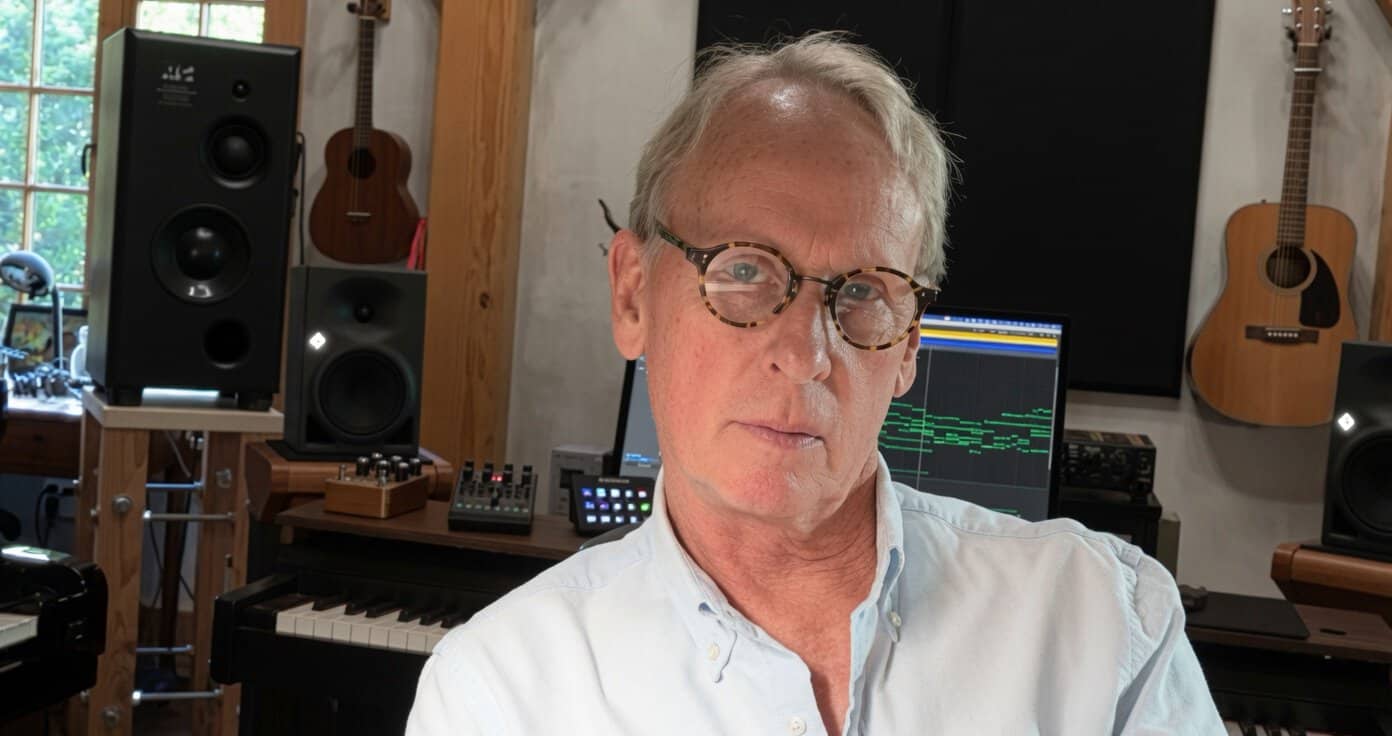
Why modern entrance music feels like a missed beat
5 days ago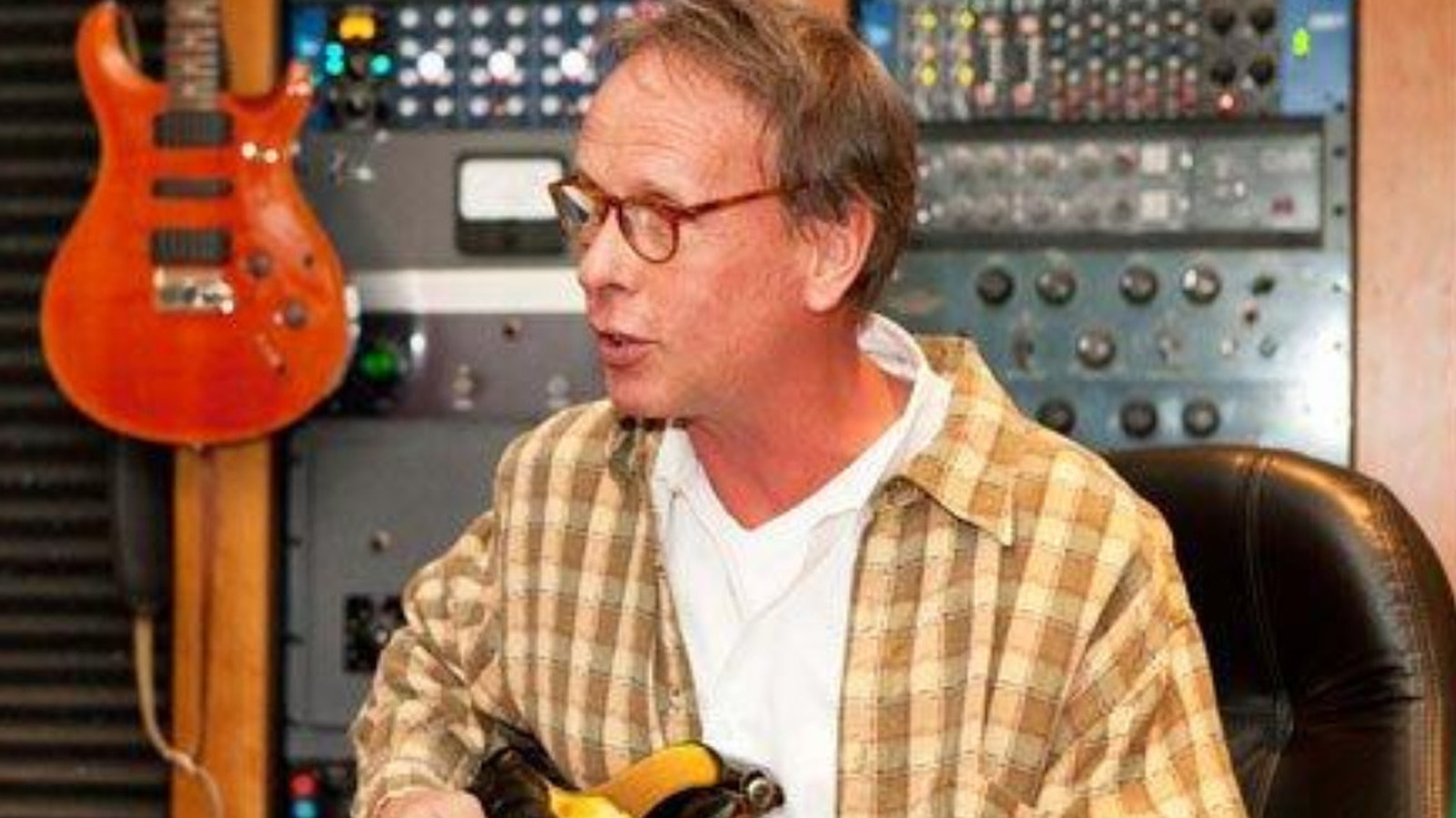
Jim Johnston is right about modern WWE music
20 hours ago
Why Jim Johnston is completely right about the death of WWE entrance music
20 hours ago
Why modern wrestling feels like a collection of guys, not stars
4 days ago