The center of the universe started in a borrowed pair of boots
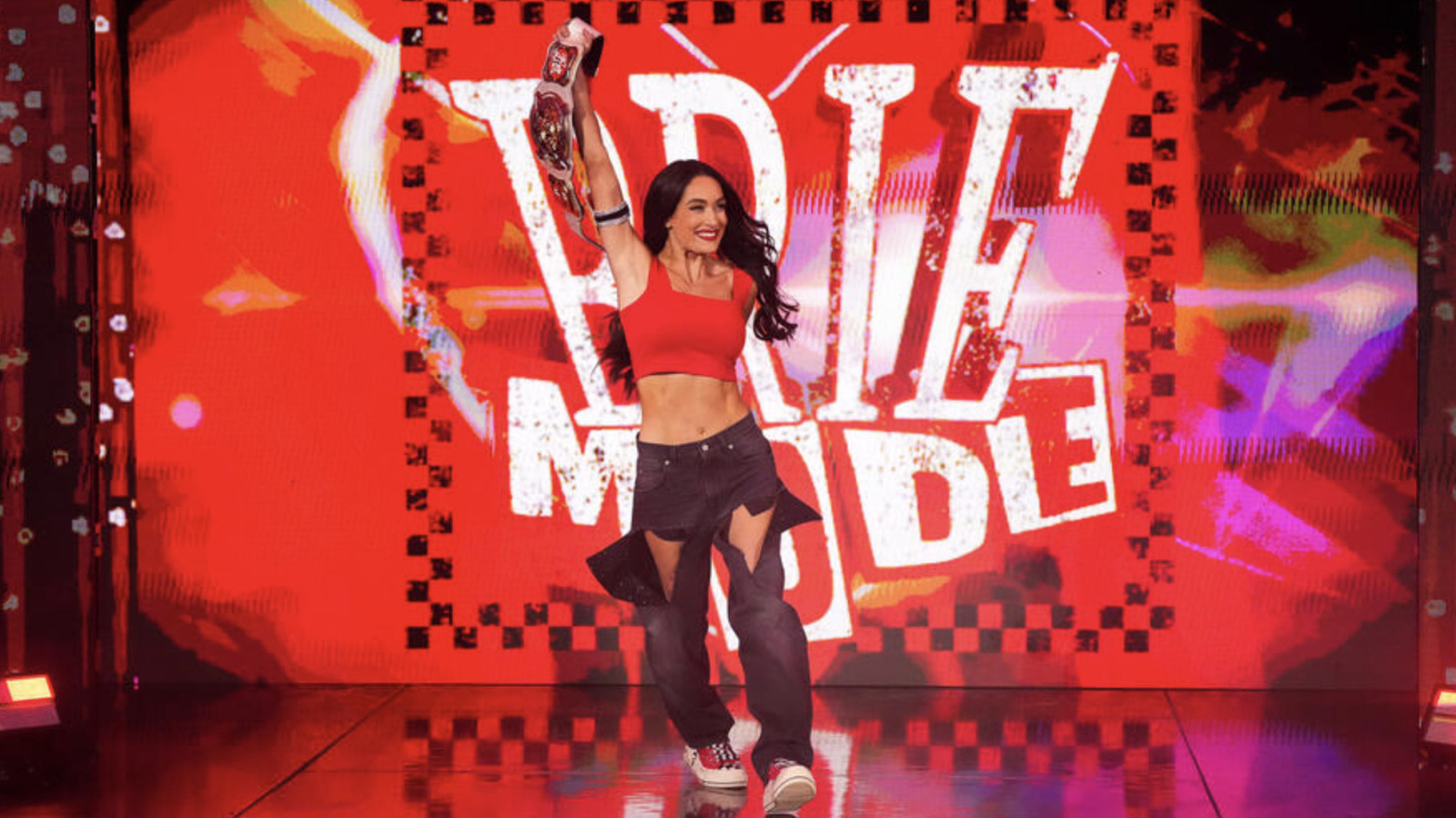
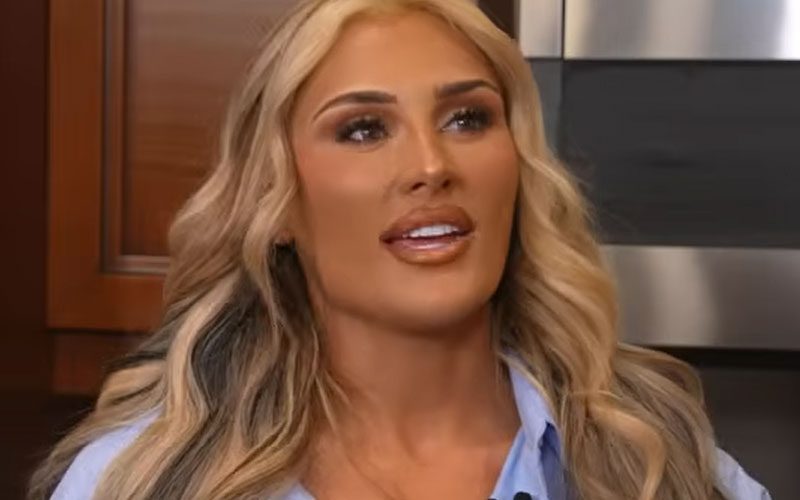
Imagine signing a contract with the biggest wrestling promotion on the planet and having exactly one month to figure out how to not trip over the bottom rope. That is the reality Tiffany Stratton faced when she walked into the WWE Performance Center. Most recruits spend a year learning how to take a back bump before they even smell the sawdust of a live event, but Stratton was on a different clock.
The current Miss Money in the Bank recently pulled back the curtain on her 2021 debut, revealing that she was shoved in front of the cameras just four weeks after putting pen to paper. It is a terrifying thought for any athlete, even one with a high-level gymnastics background. Most wrestlers spend years on the indies working for gas money and a cold sandwich just to get a look, yet Stratton was tasked with playing a 'spoiled rich girl' on global television before she even knew where the catering table was located.
The logistics were even messier than the timeline. Stratton admitted she didn't even have professional wrestling gear ready when the office called her number. She had to scramble, eventually debuting in an outfit that looked more like a competitive cheerleading uniform than the high-fashion 'Center of the Universe' aesthetic she carries today. It was the ultimate 'fake it until you make it' moment in a business that usually smells a fraud from a mile away.
Why the Performance Center is a high-stakes laboratory
We love to complain about the WWE Performance Center being a 'factory' that churns out robotic promos and safe wrestling, but Stratton is the outlier that proves the system can actually work when the raw material is elite. She didn't have the luxury of a three-year stint in the mid-Atlantic territories or a tour of Japan to find herself. She had to fail, grow, and evolve in the most public way possible on Tuesday nights.
This 'thrown to the wolves' approach is a massive gamble that usually ends in a release-day tweet and a 'where are they now' thread on Reddit. For every Tiffany Stratton, there are a dozen athletes who froze under the bright lights of the Capitol Wrestling Center. If her moonsault had landed short or her character work had stayed at that initial 'Daddy's Little Girl' level, she would have been just another name on the 2022 cut list. Instead, she turned a rushed debut into a masterclass in adaptation.
As WrestleTalk recently detailed, Stratton's recollection of those early days highlights a shift in how WWE views its prospects. They aren't looking for 15-year veterans anymore; they want world-class athletes they can mold into superstars in record time. It is a ruthless philosophy that values 'it factor' over 'work rate,' and while it produced a gem in Stratton, it leaves a lot of bodies in the wake of the developmental process.
The danger of the accelerated push
There is a flip side to this success story that we rarely talk about. When you skip the formative years of wrestling, you miss out on the subtle psychology that only comes from working 300 nights a year in front of small, hostile crowds. Stratton is spectacular, but there are still moments in her matches where the transitions feel a bit scripted, like she is reciting a routine rather than reacting to a fight. That is the price you pay for being a TV star before you are a wrestler.
Booking someone after four weeks of training is a vote of confidence, but it is also a massive risk to their physical safety and the safety of their opponents. We saw this with the early days of the NXT 2.0 reboot, where green talent was frequently involved in clunky, dangerous segments. Stratton managed to survive the gauntlet without a major injury, but not everyone has the spatial awareness of a former member of the USA Gymnastics national team.
The fact that she was able to headline NXT Premium Live Events against the likes of Becky Lynch just two years after that frantic debut is nothing short of a miracle. She went from having no gear and no clue to being the most polished heel on the main roster. It makes you wonder how many other potential stars were ruined because they weren't 'thrown on TV' at the exact right moment, or conversely, because they were thrown on too soon without Stratton's freakish athletic recovery skills.
The future belongs to the fast-tracked
Looking at the current landscape, the 'Stratton Model' is becoming the standard operating procedure. WWE is recruiting from the NIL program, eyeing college track stars and defensive ends who have never stepped foot in a ring. They want the look and the athleticism first, confident that they can teach the wristlocks and the headlocks later. It is a high-speed assembly line that demands immediate results or immediate exit.
Stratton’s career trajectory is the blueprint they show every new recruit at the PC. She is the success story they use to justify the grueling schedule and the lack of creative input for newcomers. But let’s be real: Tiffany Stratton is a unicorn. Most people who get 'thrown on TV' after 28 days end up as a footnote in a Triple H 'Best of NXT' DVD, not a champion-in-waiting holding a purple briefcase.
Her rise is a testament to her own work ethic rather than just the system itself. You can provide the ring and the coaches, but you can't teach someone how to own a room while wearing borrowed boots and a prayer. As she prepares for her inevitable run as a world champion, she serves as a reminder that sometimes, the best way to learn how to swim is to be tossed into the deep end of the ocean during a hurricane.