The Big Picture
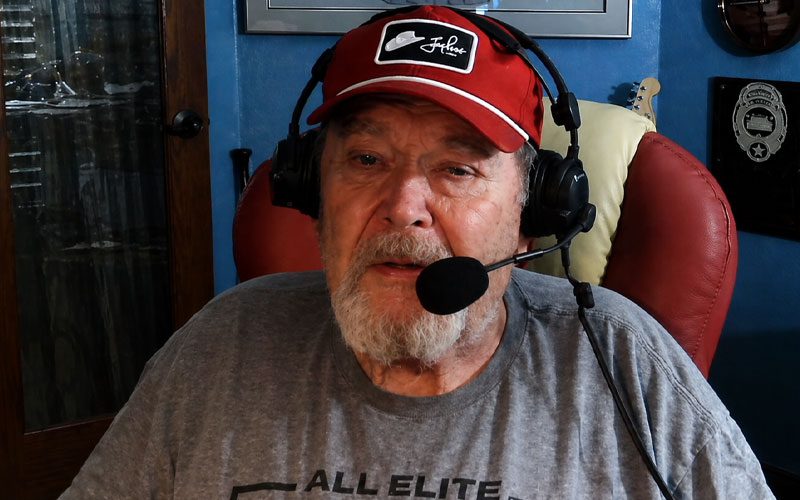
Jim Ross remains the industry's ultimate litmus test. Whether he is dissecting health battles or casting a cold eye on locker room politics, his commentary cuts through the noise of modern professional wrestling.
The Rankings
1. The Health Turnaround. Ross recently confirmed his physical numbers are the best they have been in years. In an industry defined by grind, seeing him recover his vitality is easily the most important update of his current tenure. It validates his schedule and his commitment to the broadcast booth.
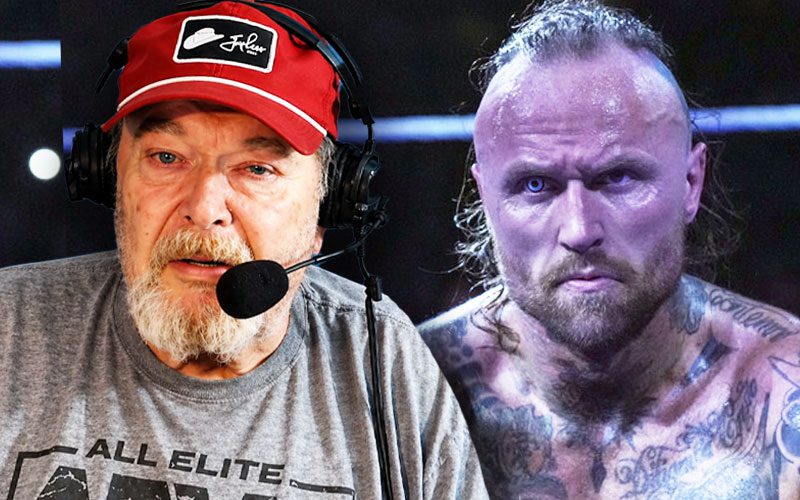
2. The Aleister Black Assessment. JR did not hold back when analyzing Black’s AEW stint. He labeled the run as a step down for the performer, suggesting a lack of happiness that hindered the work. It takes confidence to be this blunt about a peer, and in this case, his assessment of the disengagement was spot on.
3. The Comedy Wrestling Stance. During a recent discussion, Ross admitted he has zero interest in comedy wrestling and never desired to step into the ring himself. This stance defines his traditionalist philosophy. It explains why his commentary lands differently than peers who lean into the absurdist side of the craft.
4. The Bridge Building Perspective. Despite the skepticism regarding AEW departures, Ross maintained that figures like Black did not burn bridges. He possesses a rare level of institutional memory within the promotion. This take provided necessary nuance to what looked like a chaotic exit to outside observers.
5. The Marc Izard Contribution. JR used his platform to help drive a GoFundMe for the late Marc Izard, which soared toward $19,000. Beyond the mic, these actions show a human side that often earns him more respect than his actual calls. It highlights how the old guard still leads by example.
6. The Grilling Ross Reliability. The podcast format has allowed him to speak with a freedom he never had during the 1990s in the WWE booth. He is more transparent now. It allows listeners to calibrate their own opinions based on his unfiltered history.
7. The Voice of Experience. Ranking lower only because it is expected, his ability to elevate a main event remains his top skill. However, modern wrestling audiences are split on his style. Some crave the traditional storytelling, while others find the rhythm dated.
8. The Realistic View on Retirement. He does not sugarcoat his age or his health markers. By being transparent about his physical state, he prevents the inevitable speculation that plagues older icons. It is a refreshing, if blunt, way to handle a career's sunset.
9. The Critique of Modern Pacing. Ross has previously voiced grievances regarding how matches are laid out in the current era. It is a fair critique, though sometimes it clashes with the faster, move-heavy style favored by younger rosters. He is an advocate for psychology over athleticism.
10. The Unfiltered Commentary. Even when he misses a spot or misidentifies a move, he adds weight to the event. He understands the stakes better than most agents. His presence ensures that the narrative around talent moves stays grounded in professional reality.
Honorable Mentions
His continued work on the AEW desk despite the travel demands is a feat of stamina. Additionally, his willingness to engage with fans on his podcast keeps his influence relevant across different generations of viewership.