Turning sponsorship into television real estate
AAA Lucha Libre is operating with a newfound corporate confidence that suggests a significant shift in its international strategy. Recent reports confirm that Ram has signed on as the official truck partner for the promotion in Mexico. This isn't merely a sticker on a turnbuckle; it is a signal of fiscal growth and brand validation that provides the runway for a broader move into domestic US distribution.
For years, AAA has relied on YouTube to reach its international audience. While efficient for capturing the hardcore base, it lacks the revenue stability required to compete for top-tier talent in an increasingly expensive market. By securing institutional backing from a brand like Ram, the promotion is diversifying its balance sheet, moving away from a single-source revenue dependency.
The JBL factor and TV viability
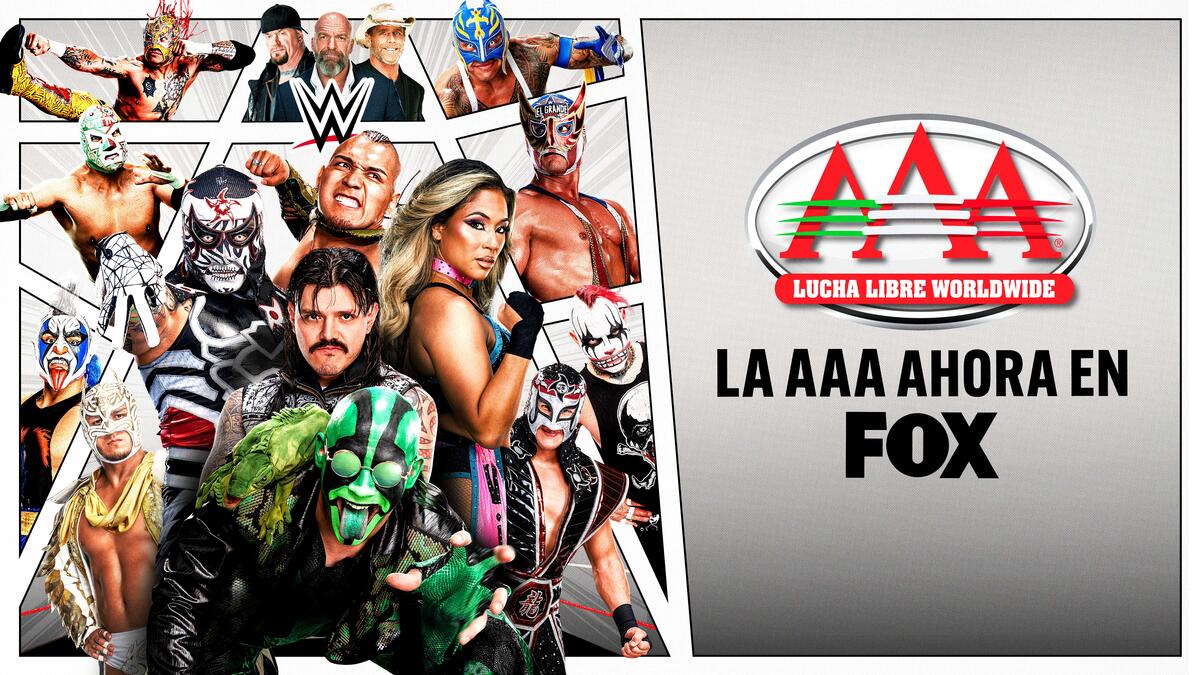
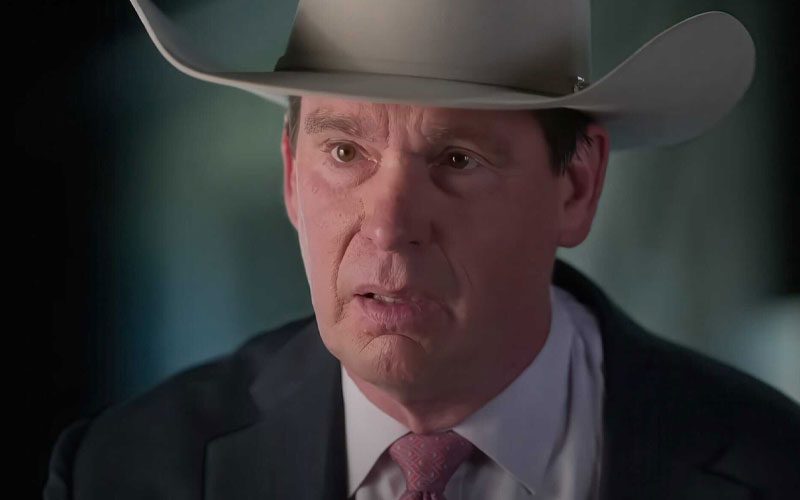
Industry insiders have started taking notice of the shift. As JBL recently noted, the company appears to be in the final stages of preparing for a substantial television rights agreement. TV deals remain the primary engine for any wrestling promotion seeking to secure high-profile rosters.
If AAA succeeds in closing a deal for a linear US network slot, the recruiting conversation changes entirely. Currently, they are viewed as a secondary option for talent who enjoy the Lucha style but desire the production standards of a Western promotion. A television contract would provide the necessary capital to lure performers who currently prefer working for AEW or the burgeoning independent scene.
The booking and creative bottleneck
Despite this financial momentum, the creative direction remains inconsistent. Critics point to the reliance on aging veterans and the occasional thin mid-card as evidence that the promotion struggles to build new stars who move merchandise. While the recent sponsorship deal adds prestige, it does not solve the underlying issue of weak storytelling in the undercard.
Developing fresh, bankable stars who can draw viewers in a 2-hour Saturday night time slot is a different challenge than booking for short-form digital clips. AAA has historically prioritized spectacle over character depth; a shift to US television will demand an abandonment of that structure. They need to produce episodic narratives that hold attention for viewers who have hundreds of entertainment options at their fingertips.
Probability and trajectory
The probability of this expansion resulting in a high-profile signing spree is high if, and only if, the purported TV deal materializes by Q4. The financial signals—Ram partnership in Mexico, aggressive global outreach—point toward a company preparing for a valuation jump. However, the risk remains that they scale their costs too rapidly before the guaranteed rights fees hit their accounts.
Execution is the missing variable. A television debut without a corresponding marquee signing to anchor the programming would likely fall flat against the current oversaturated market. Fans should expect at least one major surprise entrant to the roster as part of the televised launch marketing package.
Expected impact
If AAA secures a US broadcast partner, they effectively break the current duopoly hold on the high-end lucha market in the United States. This forces competitors to rethink their own recruitment strategies, particularly regarding the talent currently plying their trade in the Mexican circuit. The bottom line: the wrestling business is about to get more competitive, but the burden is now on AAA to prove their production can match their corporate partners' expectations.