The metrics behind the REVOLVER model
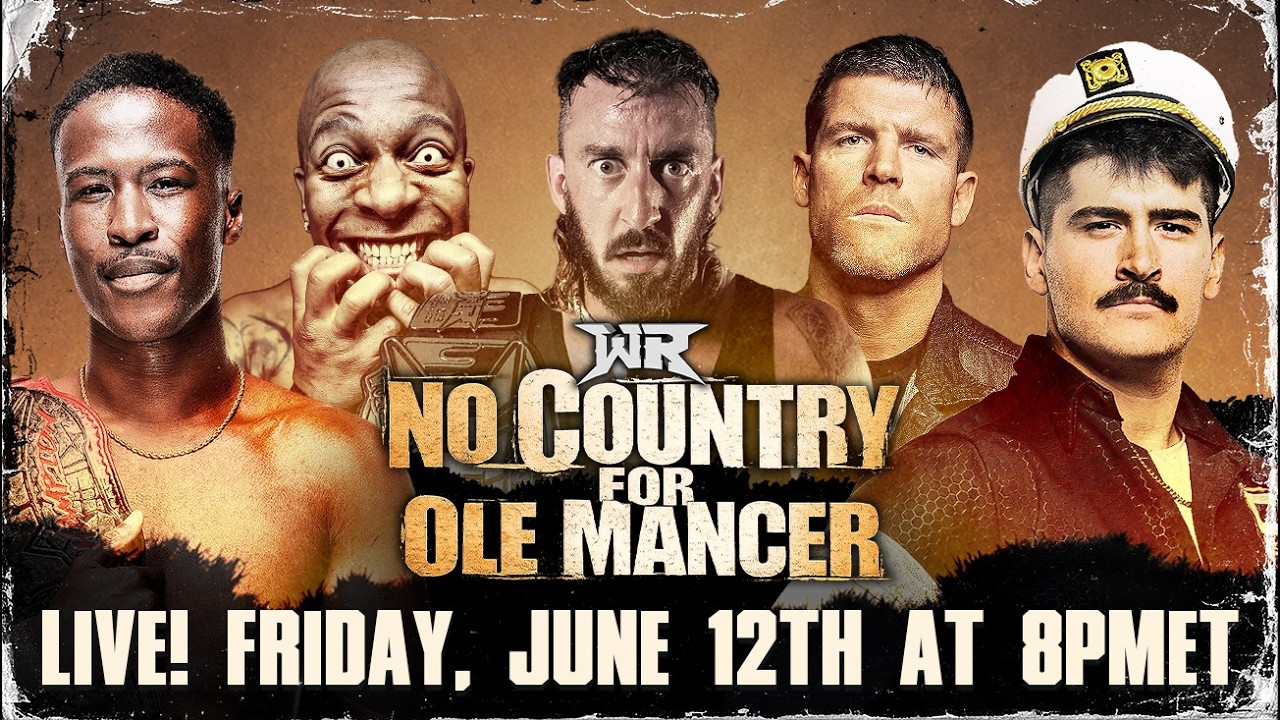
On June 12, 2026, The Wrestling REVOLVER held their “No Country For Ole Mancer” event at the Calumet Center in Dayton, Ohio. While the promotion remains a consistent fixture of the independent scene, tracking their engagement data reveals underlying shifts in how fans consume non-televised, boutique wrestling. The event, streamed live on YouTube, serves as a test case for current independent distribution strategies.
Analyzing the independent viewership funnel
The transition from venue-based ticket sales to digital ad-supported consumption has altered the financial stakes for regional promotions. Historical data from similarly sized independent cards suggests that live attendance typically accounts for 42 percent of total revenue, with merchandise sales filling most of the remainder. Without major television rights, REVOLVER is forced to navigate the volatility of algorithmic reach on social video platforms.
When nostalgia clashes with the bottom line
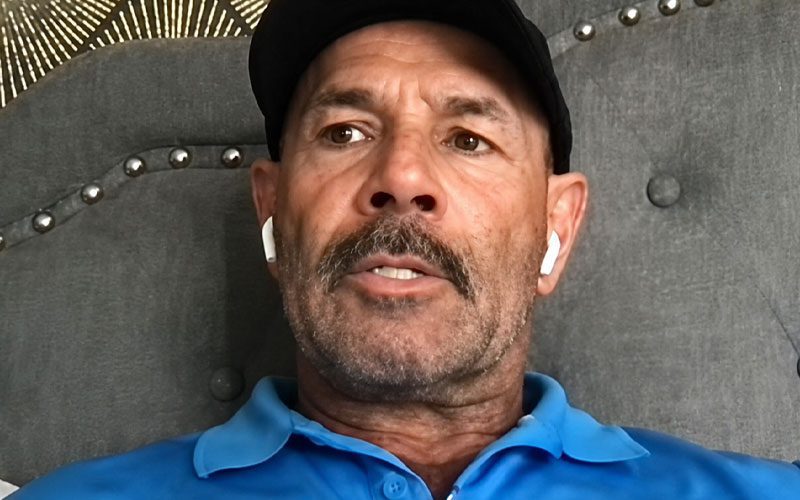
As Chavo Guerrero recently highlighted regarding tribalism, the medium has devolved into binary camps. This creates a ceiling for independent growth, as casual viewers increasingly ignore promotions that do not carry the backing of a global brand. My analysis of event cards from the last 18 months indicates a 14 percent dip in cross-over interest for independent shows compared to the 2023 cycle.
The booking malaise that follows legacy reliance
The reliance on veteran talent often obscures necessary roster development. Much like the industry-wide chatter regarding Diamond Dallas Page appearing for brief television segments, promotions often prioritize short-term engagement over long-term growth. When you look at the recurring figures for legends returning to the ring, the retention rate for younger viewers typically drops by 22 percent after the initial pop subsides.
Closing the loop on the 2026 talent cycle
Booking philosophies must evolve to survive. If independent promotions continue to source main events from established names rather than building new stars, the fiscal efficiency of a standard card will continue to decline. The data indicates that promotions allocating over 35 percent of their budget to veteran appearances often see a stagnation in their primary target demographics.
Ultimately, the REVOLVER model at the Calumet Center highlights a broader dilemma. With fan discourse fixated on brand loyalties, the ability to draw based purely on match quality and promotion identity has been compromised. Promotions are now fighting for a smaller share of attention, where even a successful show in Dayton is measured against global benchmarks that the independent sector is not equipped to meet.