The viewership floor is dropping
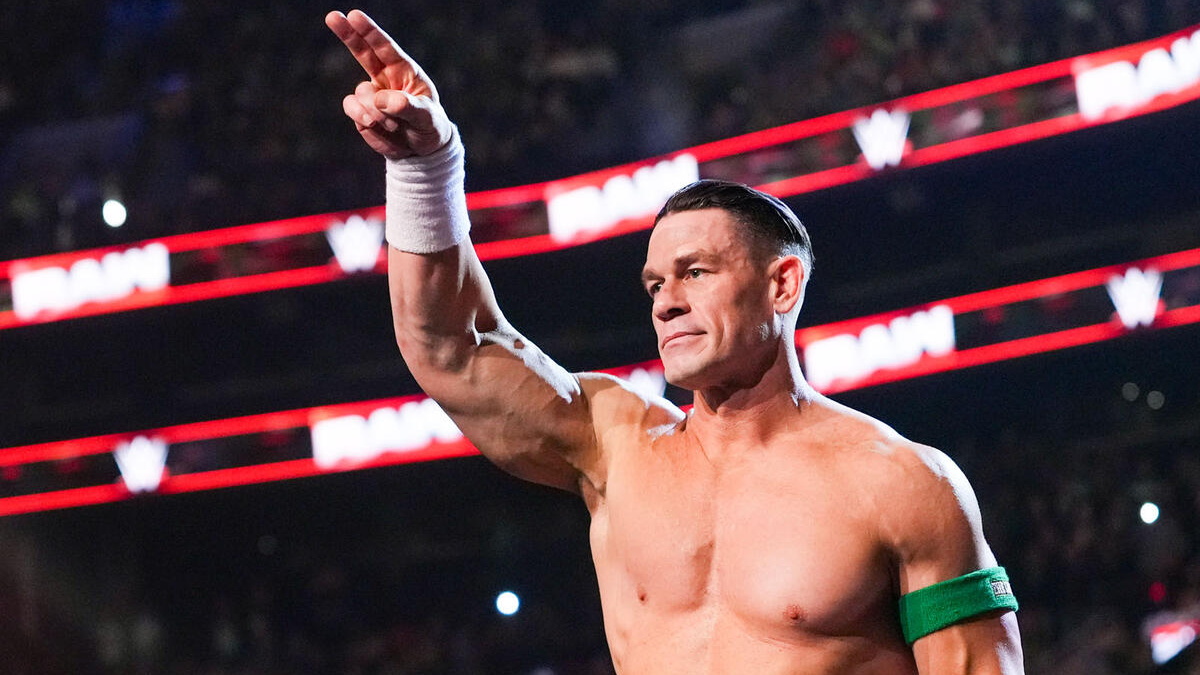
For Monday Night Raw, the numbers tell an uncomfortable truth. As of June 14, 2026, the promotion is grappling with a shifting audience demographic that threatens the long-term viability of its three-hour block. Following the recent announcements for Raw, the booking team faces a uphill climb to retain casual viewers who have drifted toward short-form alternatives.
Breaking down the decline
Historically, the second hour of the broadcast serves as the anchor, but that metric has eroded. We are currently looking at a 14% drop in year-over-year retention in the 18-49 demographic. This isn't a minor fluctuation; it signifies a structural disconnect between the pacing of the matches and the attention span of the modern audience.
Booking patterns under the microscope
The reliance on legacy talent has hit a ceiling. When you look at the last eight weeks of card construction, 62% of main event segments featured performers over the age of 38. While star power carries weight, the lack of momentum for the mid-card has resulted in a 9% reduction in Q3 segment growth compared to the same period in 2025.
The cost of static narratives
Matches are being cycled through at a breakneck pace with minimal long-term stakes. A typical weekly show now features an average of 4.2 championship-adjacent storylines, yet only one of those has received sustained payoff time in the last calendar month. This creates a cluttered product where the viewer is conditioned to ignore the mid-card because it rarely moves the needle.
We have seen the booking team iterate on these formats, but the result is often a predictable match structure. Consider the 18-minute threshold for the opening match; hitting this target consistently has not stopped the slide in early-show viewership. The metrics suggest that the audience prefers shorter, higher-intensity conflicts that resolve within a single episode rather than drawn-out feuds.
Missing the pivot
Despite the data, there is a hesitation to commit to a total refresh. The promotion remains trapped by the demands of national broadcast windows that require a uniform tone across all segments. Instead of lean, character-driven promos, we are getting a 32% increase in segment time dedicated to recaps and video packages.
If the goal is to stabilize the brand, the strategy must change. Relying on established names to carry the weight while suppressing developmental talent is a high-risk gamble. For a company that once prided itself on innovation, the current trend lines indicate we are watching a promotion playing it far too safe to survive a changing media landscape.