Measuring the gap in main event availability
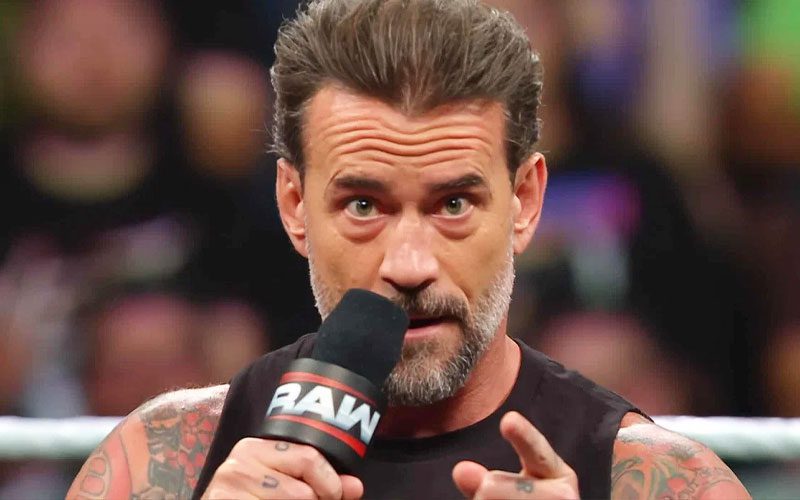
Since the Raw following WrestleMania 42, WWE has operated without three of its primary needle-movers: Randy Orton, Drew McIntyre, and CM Punk. This 75-day absence represents a significant contraction in high-leverage television assets. While Orton’s inactivity traces back to his post-match assault on Cody Rhodes and McIntyre’s scheduling is tied to a film production commitment in Scotland, Punk’s hiatus is the most statistically consequential for brand balancing.
The strategic shift to SmackDown
Reports from Wrestling Inc indicate that Punk is positioned for a move to Friday Night SmackDown upon his return. This isn’t merely a logistical preference; it is a defensive maneuver against the recent creative vacuum created by top-tier talent attrition. Shifting a headliner between brands mid-cycle is a high-cost play, usually reserved for correcting viewership plateaus rather than simple availability issues.
Evaluating the Fanatics link
The announcement that Punk will appear at Fanatics Fest in New York City serves as the first reliable marker for his return-to-work timeline. While his televised record remains static at 0-1 following the loss of the World Heavyweight Championship to Roman Reigns, his transition to a new set of opponents on a different brand shifts the internal math for championship contention. He is currently 0 percent effective at defending his status as a recurring television entity, but the promotional machine is running at 100 percent capacity.
The critical oversight
WWE’s over-reliance on legacy draws during this period of transition remains a glaring tactical vulnerability. By opting to shuffle established roster members like Punk between brands instead of elevating emerging talent to fill the 75-day window of inactivity, the creative direction leans on past equity rather than future-proofing. Relying on marquee names to fix rating variables is a short-term hedge that provides diminishing returns. CM Punk’s move to Friday nights will likely spike immediate engagement, yet it exposes the lack of depth below the main-event tier. When a headline talent departs, the booking should reveal new solutions; instead, we are witnessing a simple redistribution of the same assets.
Read Next
- CM Punk's looming return clouds the SmackDown main event picture
- SmackDown is banking on high-octane minutes over slow-burn storytelling
- Cody Rhodes and the creative ceiling on Friday nights
- Rey Fenix is putting his gold on the line faster than expected
- 🏆 WrestleMania 41 — Full Coverage Hub
- 💊 CM Punk WWE 2026 — Best in the World