The tag team rift
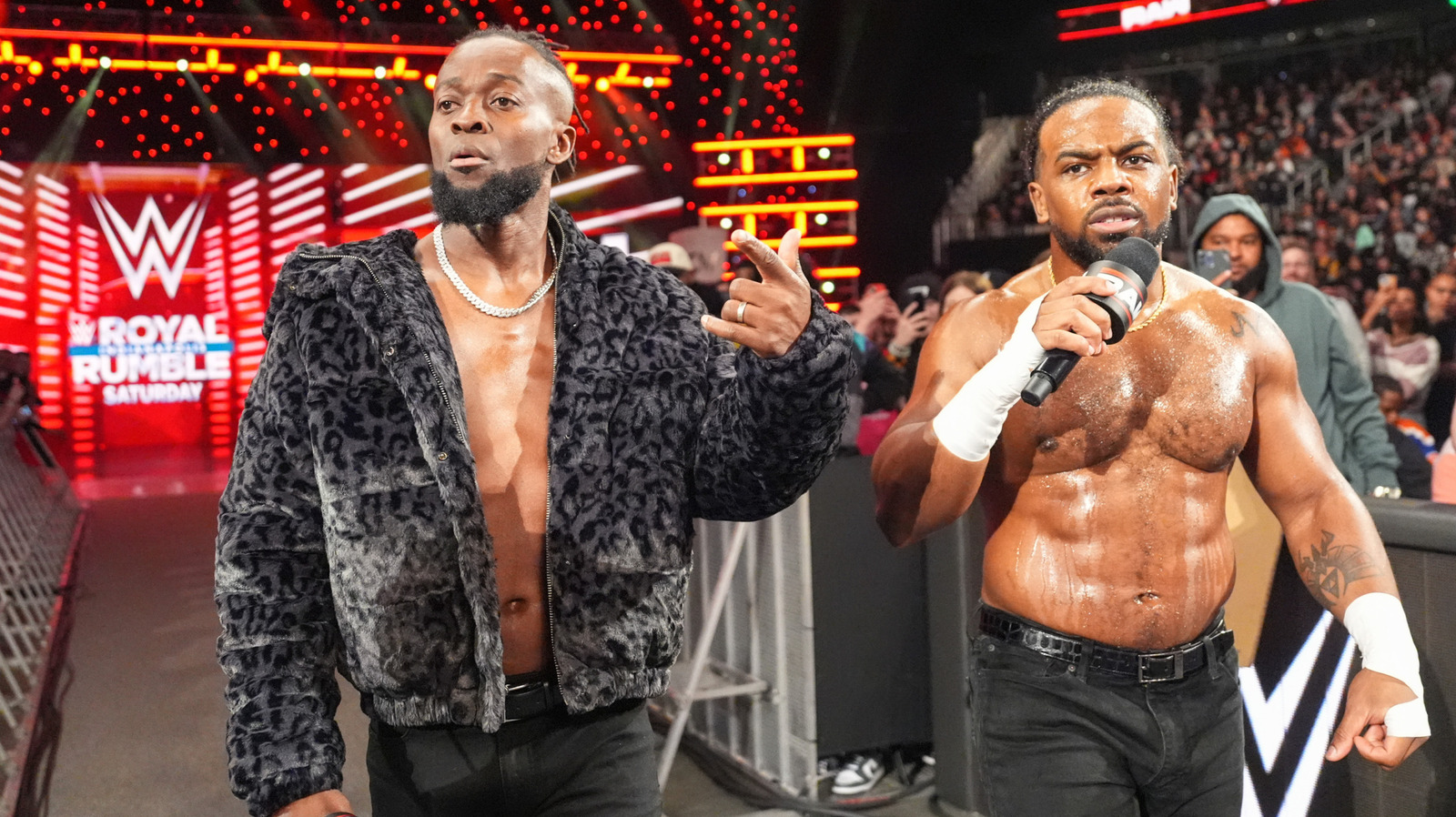
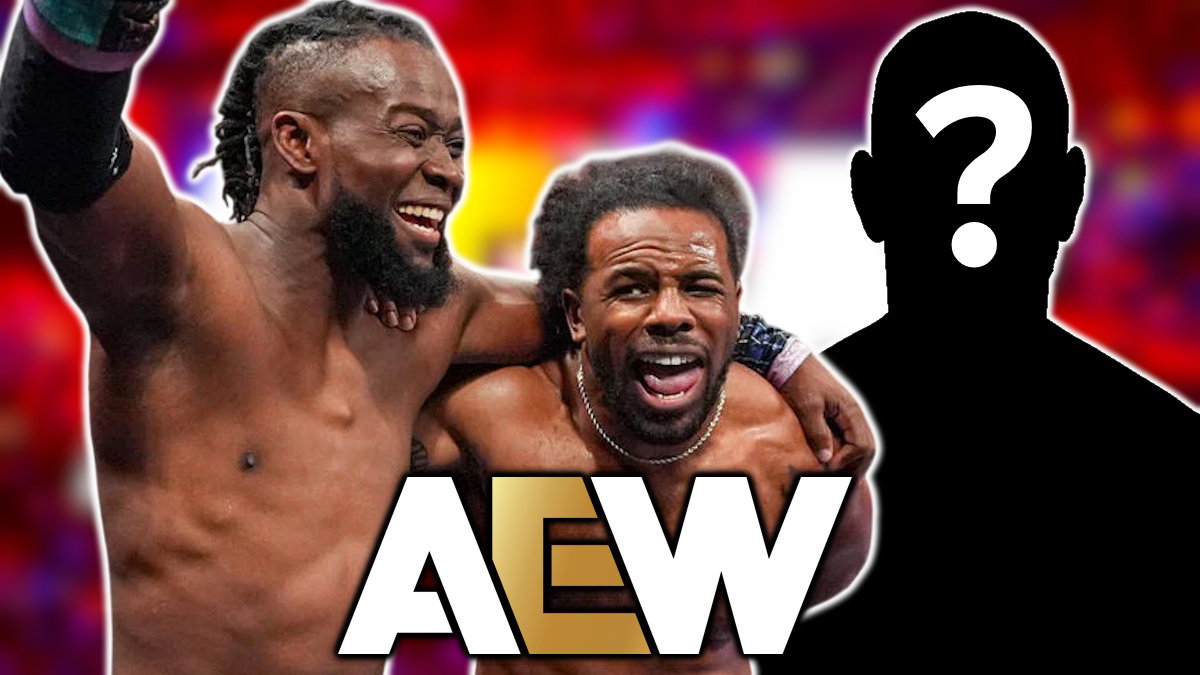
The wrestling industry currently sits at a strange junction of contract expirations and creative fatigue. Recent reports confirm that excitement is high within AEW circles regarding the potential arrival of Kofi Kingston and Xavier Woods. Following the news that the pair have parted ways with WWE, fans are fantasizing about dream matches against The Young Bucks or Private Party.
However, optimism often ignores the structural reality of the AEW roster. Bringing high-profile veterans into a tag team division that already suffers from inconsistent television time creates a zero-sum game for the remaining talent. If Kingston and Woods debut, they are not arriving to perform in the mid-card.
The booking math
AEW operates on a different frequency than WWE. The pacing relies on high-velocity exchanges and intricate spots, often prioritizing move-set density over the character-driven narrative arcs that defined the New Day for a decade. The transition for external veterans is rarely seamless.
Consider the logistical requirements of integrating a trio—or even a duo—into the current rankings. The AEW tag team title picture is already congested. Adding a brand-name act without a clear, long-term creative hook risks stalling the momentum of teams currently building their resume. AEW possesses a roster depth that currently sees significant talent waiting in the wings for less than 10 minutes of weekly spotlight.
Why this could backfire
The primary concern is stylistic dilution. The New Day's greatest work, particularly their 2015 run, was predicated on long-form character work and specific faction dynamics that felt inherently bound to the corporate structure they are reportedly leaving. Stripped of that specific machinery, the act becomes a test of whether their charisma can carry a program without the narrative crutch of a WWE-style production.
There is also the matter of injury history and physical toll. Kingston is nearing two decades of top-tier professional labor. Asking these performers to work the independent-style pacing favored in Jacksonville, where the risks taken during a standard 15-minute contest are demonstrably higher, is a gamble on longevity. The company needs to prioritize building their internal stars rather than becoming a repository for every high-profile name that exits the other side of the fence.
The final evaluation
Management cannot ignore the trend of diminishing returns on "dream" signings. Bringing in established legends often signals an inability to elevate the current home-grown roster. Unless Tony Khan has a specific 6-month arc defined, this is a signing for the sake of headlines rather than tactical gain.
I predict this move will happen, but it will face a harsh initial reception. The audience will chant for them upon their first entrance, but within three months, the gimmick will feel stagnant. Booking them as champions by the year's end, as many project, would be a mistake that alienates a fanbase already weary of a crowded title picture. The potential is there for a massive pop, but the tactical execution will likely falter under the weight of expectations.