The shadow over SoFi Stadium
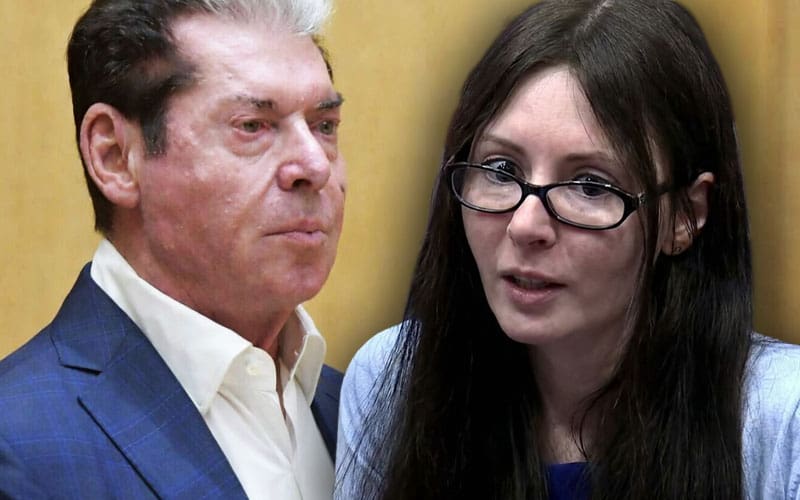
WrestleMania 41 is officially sixteen days away, yet the discourse remains tethered to the courtroom rather than the ring. Fans are attempting to focus on the standard build-up for the April 19 kickoff, but the Janel Grant lawsuit filings act as a persistent gravity pull. Every time the promotion attempts to pivot toward the pomp of a main event, a news cycle involving historic gift lists or corporate liability resets the conversation.
This creates a fractured fan experience. We are supposed to be analyzing the technical proficiency of top-card workers, yet the structural integrity of the organization itself is under heavy scrutiny. It is an uncomfortable marriage of athletic spectacle and grim legal reality that no amount of pyrotechnics can fully obscure.
Tactical inconsistencies in the build
From a purely mechanical standpoint, the storytelling heading into these two nights feels disjointed. WWE relies heavily on legacy talent to carry the marquee, often at the expense of the mid-card dynamism that sustains a 52-week calendar. When you look at the recent patterns, the reliance on nostalgia spots feels like a defensive posture meant to distract from the lack of fresh, compelling narrative hooks.
The execution of these feuds lacks the tactical sharpness seen in past cycles. We are seeing a high volume of broadcast time dedicated to promos that spin their wheels, rarely moving the needle on actual physical stakes. The pacing feels sluggish, specifically in the second hour of flagship shows, where the retention metrics likely plummet as viewers grow weary of repetitive segments.
The metrics of a missed opportunity
There is a recurring issue with how these matches are slotted. By front-loading the spectacle, the secondary matches lose their oxygen, often relegated to the position of mere transitions rather than contest-driven affairs. If these wrestlers were given more agency to dictate their own pacing through extended in-ring sequences, we might see the kind of technical exhibition that defines a true wrestling classic.
Instead, we get scripted chaos that leaves little room for individual ingenuity. If the performers are denied the ability to improvise, the match quality suffers. We are left with a 60-minute iron man approach to storytelling that feels like it lasts three hours, lacking the necessary ebbs and flows of a genuinely gripping fight.
The prediction
I predict that despite the talent level, the upcoming WrestleMania will suffer from a lack of genuine emotional equity with the audience. The spectacle will be pristine, the lighting will be world-class, and the merchandise will move units. However, the product is currently struggling with a credibility deficit that no amount of in-ring work can fix.
My prediction for the main event outcome is a convoluted finish that leaves the audience questioning the booking direction. WWE is playing it safe, relying on a 55% approval rating among legacy fans rather than aiming for the transformative potential of a bold, narrative-driven shift. They have built a wall of production value, but the foundation is cracking.