The World's Strongest Man just dropped a truth bomb on our nostalgia
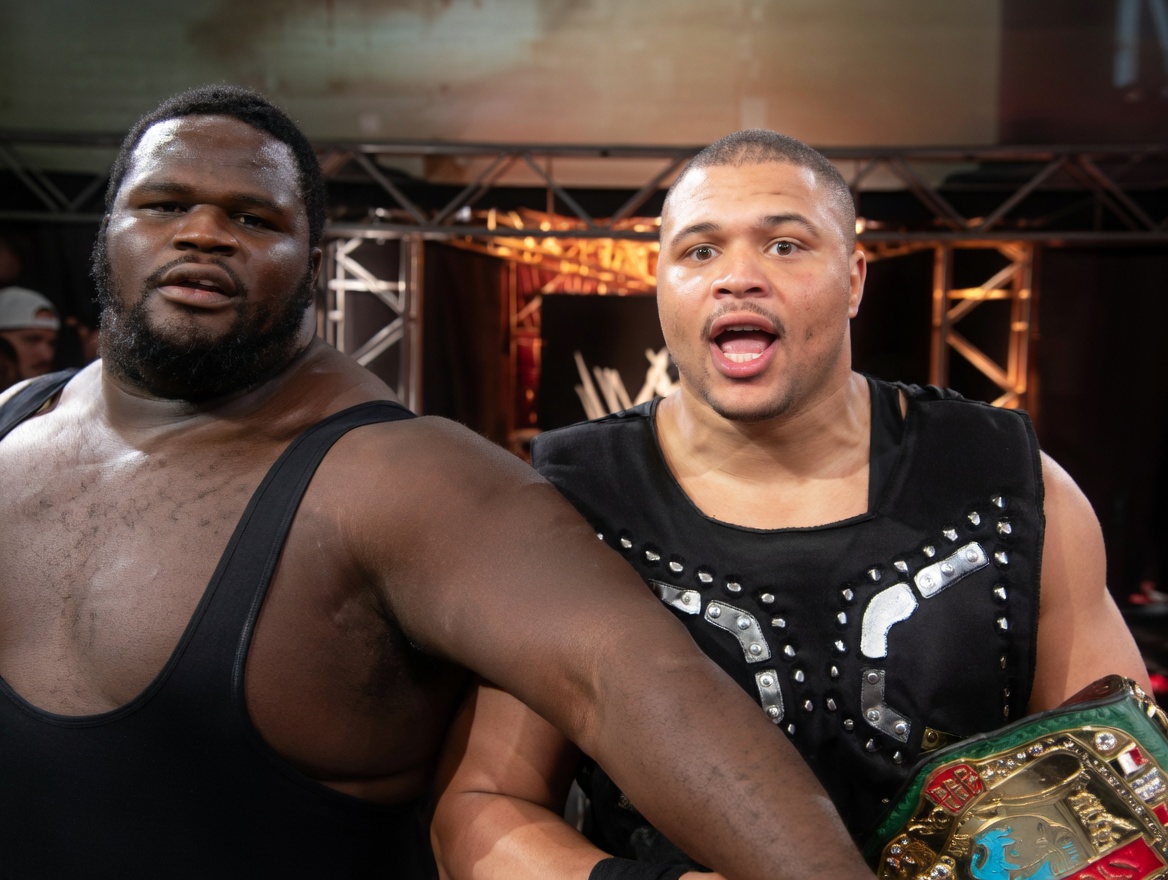
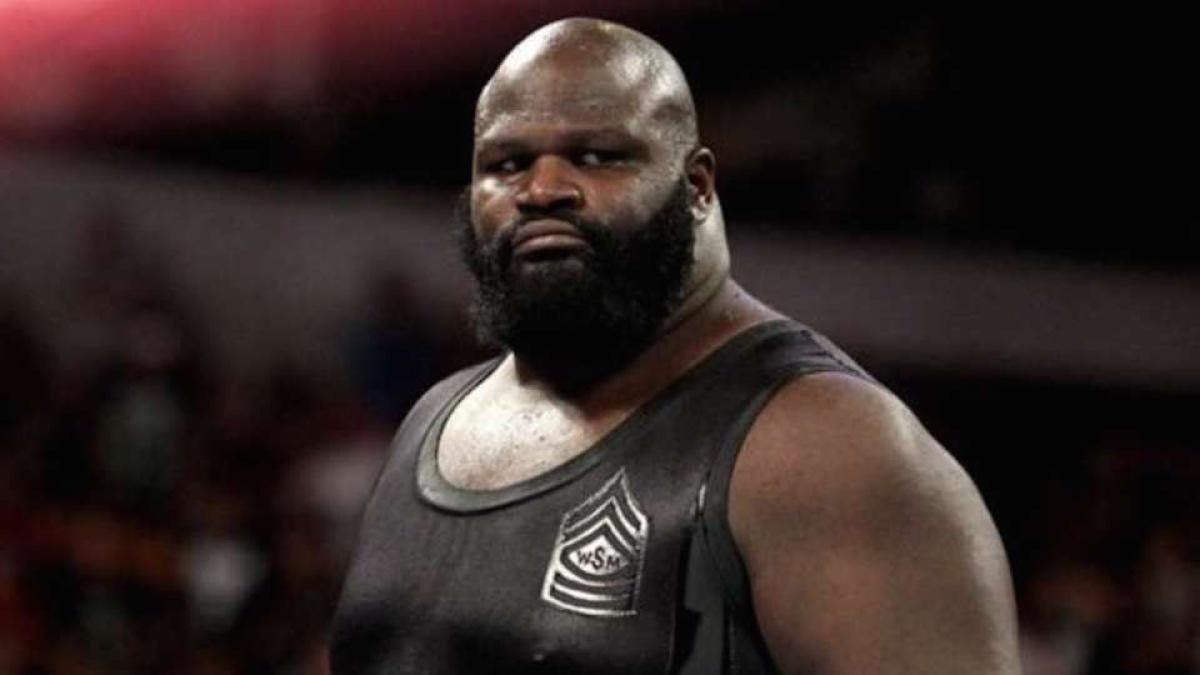
It is Monday, March 30, 2026, and if you aren't currently buzzing for AEW Dynasty tonight or counting the seconds until John Cena begins his Vegas swan song at WrestleMania 41, you might be legally dead. But while the rest of the world is obsessed with the future of the Bloodline or whether Cody Rhodes can actually survive another year with that belt, Mark Henry decided to take us back to school. The Hall of Famer recently sat down and did something most wrestlers find physically impossible: he gave someone else the credit.
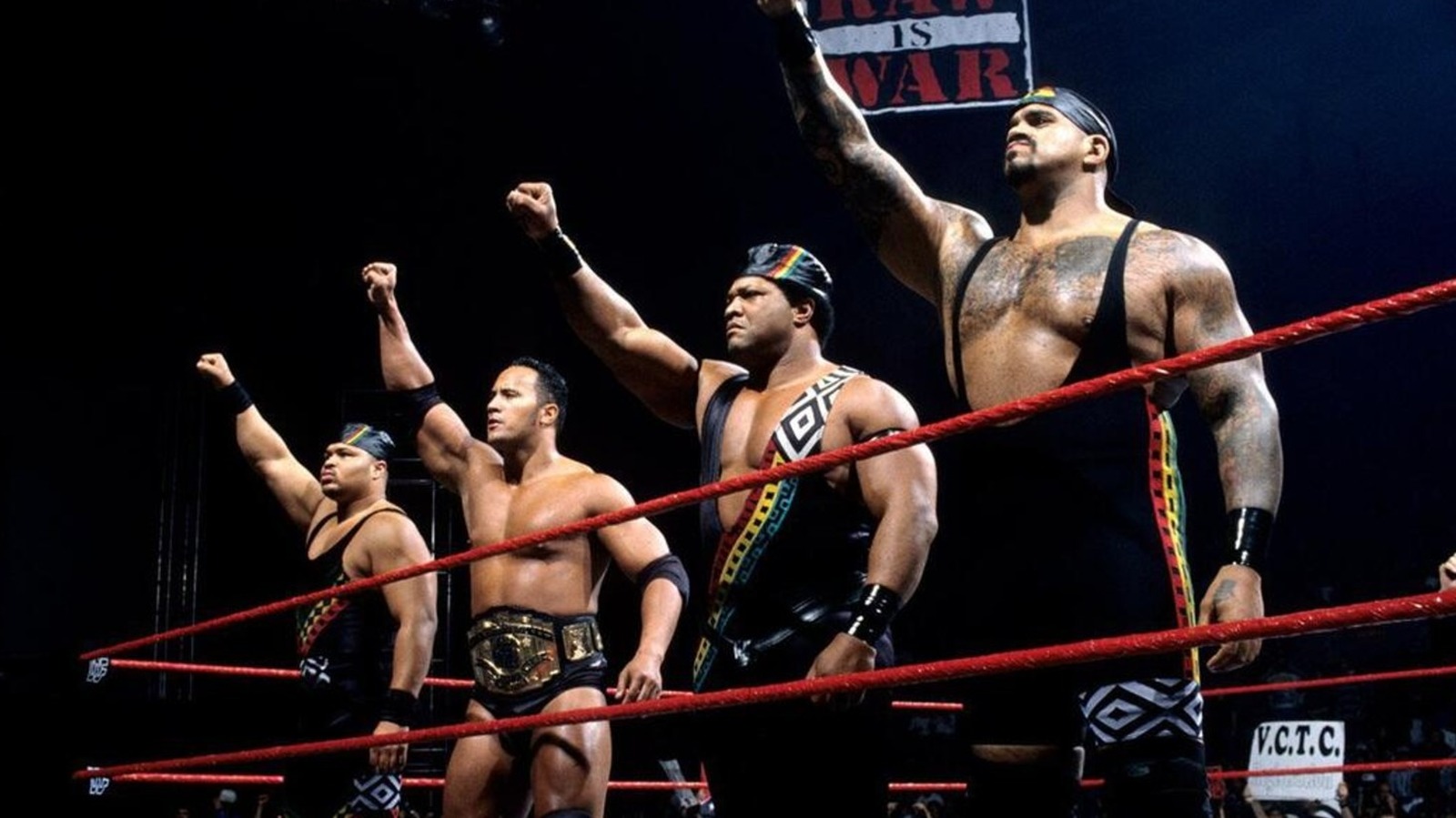
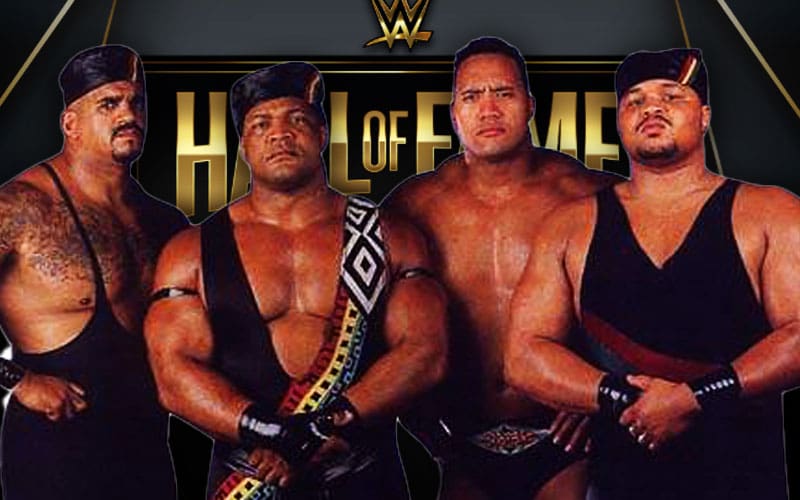
Henry was talking about the Nation of Domination, the stable that essentially saved the WWE during the darkest days of the late nineties. He didn't point to The Rock, who obviously went on to become the biggest movie star on the planet. He didn't point to Faarooq, the man who brought the gravitas and the hardest spinebuster in the history of the business. Instead, Henry looked at the technical guts of the operation and admitted that one teammate was simply better than us. That man, for anyone who actually watched the midcard in **1998**, was D’Lo Brown.
Why the workhorse always gets forgotten in the shuffle
If you think The Rock was the only one doing the heavy lifting during the Attitude Era, you probably think a participation trophy counts as a world title. The Rock was the charisma. He was the promo. He was the guy who could talk a dog off a meat truck. But when it came to the actual 1-2-3 in the ring, D’Lo Brown was the glue holding that entire faction together while Henry was still figuring out how not to accidentally break his opponents in half.
D’Lo was a freak of nature in an era that didn't know what to do with him. He was a 280-pound man who moved like a cruiserweight. Most guys his size were happy if they could hit a decent clothesline without gassing out. D’Lo was out here hitting a Sky High that looked like it belonged in a video game and a Frog Splash—the Lo Down—that had more hang time than a Michael Jordan layup. Mark Henry’s admission isn't just a veteran being humble; it’s a long-overdue receipt for a guy who never got his flowers because he wasn't the one selling the most t-shirts.
The technical gap between a superstar and a wrestler
Mark Henry is a man who once pulled two semi-trucks for fun. He knows power. He knows what it looks like when someone is struggling to keep up with the pace of a match. During that Nation run, Henry was the project. He was the raw material. He openly admits now that he was watching D’Lo every night just to figure out how to structure a segment. D’Lo had the technical side down to a science, often working double duty or carrying the heavy minutes in six-man tags while the bigger names caught their breath.
We talk a lot about the 'Best in the World' today, usually involving guys like Will Ospreay or Kenny Omega. But in the context of a locker room filled with monsters and brawlers, D’Lo was a unicorn. He could wrestle a technical clinic with Owen Hart on a Monday and then turn around and have a hard-hitting scrap with Ken Shamrock on a Tuesday. He was the first guy to hold both the European and Intercontinental titles at the same time, a feat that felt like a massive deal before WWE started handing out secondary belts like Halloween candy.
The dark side of the Nation legacy
We have to be honest here, though. As much as we love the Nation now, the booking of that era was often a complete disaster. WWE loves to airbrush history and pretend the Nation was this sophisticated predecessor to the Bloodline, but for every cool Rock promo, there were ten segments of the Disciples of Apocalypse on motorcycles or the Los Boricuas doing absolutely nothing. The 'Gang Rulz' era was a mess of racial caricatures and lazy writing that almost buried guys as talented as D’Lo before they could even get started.
Even the chest protector angle, which became iconic, was born out of a botched move. It’s the kind of thing that could have ended a career today in the Twitter age. People would have memed him into oblivion for 'working stiff' or being dangerous. Instead, D’Lo leaned into it. He turned a negative into a gimmick that made him stand out. He didn't have the luxury of a hundred-million-dollar social media machine behind him. He just had a vibrating head-nod and a move set that was ten years ahead of its time.
How this echoes in the locker rooms of 2026
Looking at the landscape—and no, I’m not talking about the 'paradigm shift' nonsense the corporate suits love—the dynamic hasn't changed. You still have the guys who sell the tickets and the guys who make sure the match doesn't fall apart. When Mark Henry says D’Lo was better, he’s talking about the internal respect of the boys. It’s the same way people talk about Claudio Castagnoli or Chad Gable today. You might not see their face on the side of a mountain in Vegas, but they are the ones every young wrestler is watching behind the curtain.
Henry’s own career arc is a testament to this. He eventually became the 'World's Strongest Champion' and had that incredible 'Hall of Pain' run where he looked like he was genuinely trying to commit a felony on live television. But that doesn't happen without the foundation laid by teammates who were willing to show him the ropes. Henry was the **400 pounds** of muscle, but D’Lo was the instructor. It takes a certain level of security in your own legacy to admit that you were the student while the world thought you were the star.
The reality check for the Hall of Fame crowd
The problem with wrestling history is that it’s written by the winners. We remember the people who stayed at the top of the card for a decade. We forget the workhorses who blew out their knees making the stars look good. D’Lo Brown never got that world title run. He never got to main event a WrestleMania. In fact, if you go back and watch some of those old tapes, the commentary team was often more interested in talking about The Rock’s expensive shirts than D’Lo’s incredible sequence of counters.
It’s a bit of a tragedy that it took almost thirty years for this conversation to reach the mainstream. D’Lo was a guy who could have been a top-tier heel in any era. He had the arrogant walk, the technical chops, and the ability to make you hate him just by the way he adjusted his gloves. Instead, he’s remembered as a 'teammate.' A very good one, sure, but a footnote in the story of The Rock. Henry’s comments are an attempt to fix that, even if it’s just by a few degrees.
AEW Dynasty and the modern workhorse
As we look at the card for AEW Dynasty tonight, you can see the DNA of guys like D’Lo everywhere. You see it in the hybrid styles, the big men who refuse to stay on the ground, and the focus on in-ring storytelling over just 'the look.' Pro wrestling has evolved into a sport where the D’Lo Browns of the world finally get to be the main eventers. We’ve moved past the era where being a 'good hand' was a backhanded compliment that kept you trapped in the midcard forever.
Mark Henry’s honesty is refreshing because it strips away the ego that usually defines this business. Usually, when you get a bunch of legends in a room, it’s a contest to see who can bury the most people from their era. To hear a guy who could literally crush a human skull with his bare hands admit he was the third or fourth best wrestler in his own group is wild. It’s the kind of locker room talk that usually stays behind closed doors, usually after a few too many drinks at the hotel bar.
The verdict on the Nation's true power
So, where does this leave the legacy of the Nation? It was a group that defined a transition. It took the cartoonish nonsense of the mid-nineties and turned it into something that felt dangerous. They were the first group to really lean into the corporate/militant vibe that later groups would copy for decades. But more than that, they were a school. They were a place where a guy like Mark Henry could learn the craft from a guy like D’Lo Brown.
D’Lo’s impact is felt every time a heavyweight hits a moonsault. It’s felt every time a midcarder manages to get a gimmick over through sheer work rate. Henry’s admission isn't just a nice gesture; it’s a factual correction of the record. The Rock was the lightning, but D’Lo was the conductor. If you’re going back to watch the Attitude Era on the WWE Network this week to prep for WrestleMania, skip the main events for a second. Watch a D’Lo Brown match from **14 minutes** into a random Raw. You’ll see exactly what Henry was talking about.
Wrestling is a business built on lies and smoke and mirrors. We’re told who the stars are, and we’re told who to cheer for. But the actual wrestlers—the ones who have to take the bumps and call the spots—they know the truth. They know who the real MVP was. And if the World's Strongest Man says it was D'Lo, I’m certainly not going to be the one to argue with him. I’d rather keep my teeth where they are, thanks. Tonight at AEW Dynasty, let's hope we see that same level of selfless excellence. But I wouldn't bet my last **$20** on it.
Read Next
- Mark Henry is right about the Nation of Domination Hall of Fame call
- Mark Henry's salmon jacket still haunts the art of the wrestling swerve
- Anthony Ogogo reveals why he turned down a bigger WWE paycheck for AEW
- Top 10: The Defining Moments of the 2026 WrestleMania Season
- ⚡ AEW Dynasty 2026 — Full Coverage Hub